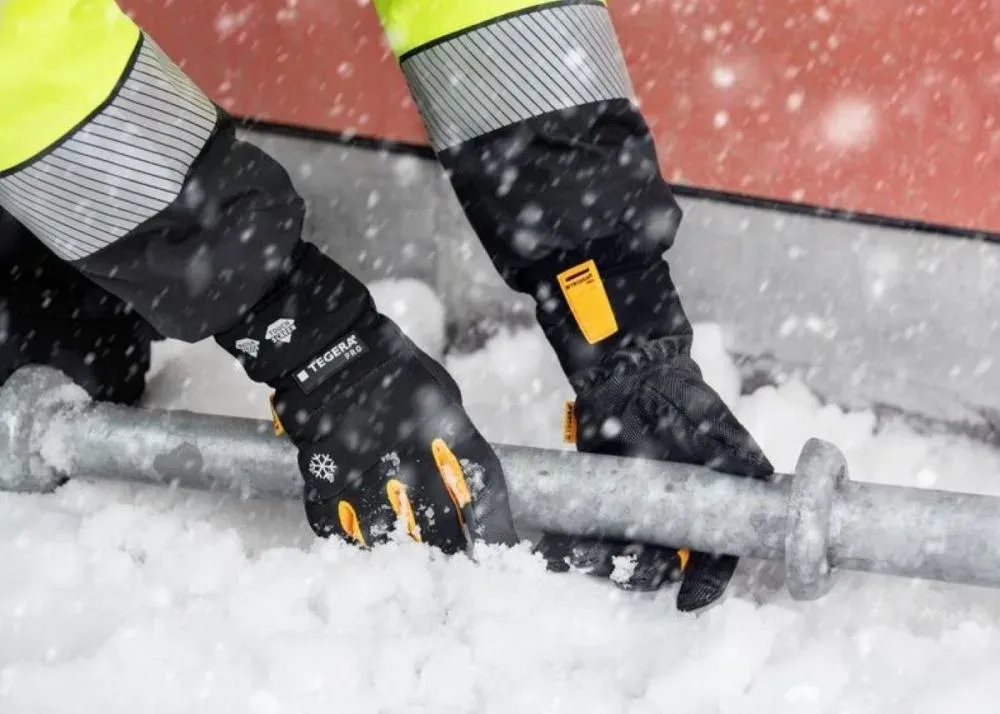
No single pair does everything, though. A smart plumber keeps a few types stocked in the van and reaches for the right one per job. This guide rounds up the best plumbing gloves in six categories: disposable, cut-resistant, chemical-resistant, grip, heat-resistant, and cold-weather.
17 min readPublished July 2, 2026Updated July 24, 2026
Plumbers work with their hands all day, usually in tight spaces near water and electricity, so hand protection is not optional. According to OSHA, 71% of hand and arm injuries could be prevented with the right gloves, yet many techs either skip them or grab the wrong type for the job. The right plumbing gloves do more than shield you: they give you grip, dexterity, breathable comfort, and, these days, fingertip sensitivity that still works with a smartphone or tablet.
This is the only plumbing gloves guide you need. We cover how to choose by hazard, break down every glove material and safety rating, show you how to size a pair correctly, and sort the top picks by the kind of work they are built for, so you can stock your van for anything the day throws at you. At the end, we cover the one job even the best glove makes harder, and how to solve it.
Hand injuries are among the most common and most preventable injuries in the trades. A single deep cut from a drain snake or a chemical burn from a drain cleaner can cost you days of work, a medical bill, and a customer who books someone else while you heal.
Looking after your hands is the same instinct that keeps a business healthy: protect what does the work.
How to Choose Plumbing Gloves
A few things to weigh before you buy any pair of plumbing gloves:
Match the glove to the hazard. Disposables for messy, light work; cut-resistant for cable and sharp edges; chemical-resistant for drain cleaners and solvents; and insulated pairs for the cold. Most plumbers carry several types and swap between them through the day.
Check the cut rating. Cut resistance is graded by the ANSI/ISEA 105 standard from A1 (lowest) up to A9 (highest). Heavier cable and sharper edges call for a higher level.
Mind grip and dexterity. A glove you cannot work in comes off, so look for textured or nitrile-dipped palms and a snug, flexible fit.
Touchscreen fingertips. If you quote and book from a phone in the field, fingertips that work a screen save you peeling gloves off all day.
Get the fit right. Too big and you lose dexterity and risk snagging the glove in moving cable; too small and your hands fatigue fast. Size before you stock up (more on that below).
Cover the standard. Match your protection to each task's risks and you satisfy OSHA's hand protection and hazard assessment rules at the same time.
Plumbing Glove Materials Explained
Most of what separates one pair of plumbing gloves from another comes down to material. Here is what each one does well, and where it falls short.
Nitrile. The workhorse of disposable and coated gloves. Synthetic, latex-free (no allergy risk), and strong against punctures, oils, and many chemicals, with good dexterity. The default choice for most plumbers.
Latex. Natural rubber with excellent fit, feel, and grip, but it triggers allergies in some people and is weaker against petroleum-based chemicals. Fine for light, messy work if latex allergies are not a concern.
Vinyl (PVC disposables). The budget option: cheap and loose-fitting, but the least durable and protective. Best for quick, low-risk tasks where dexterity matters more than a tough barrier.
Leather. Tough, abrasion-resistant, and heat-tolerant, ideal for demolition, heavy handling, and torch work. The downside is that leather offers no chemical resistance and performs poorly once wet.
Kevlar and HPPE. High-strength yarns woven into liners that deliver serious cut resistance without bulk, so you keep your dexterity. Common in lightweight cut-resistant gloves.
PVC (coated and dipped). A strong, waterproof chemical barrier, often built into long gauntlets that guard the forearm. Can feel stiff, but hard to beat for drain cleaners and wet work.
Neoprene. Flexible with broad chemical resistance across acids, solvents, and oils, which makes it a favorite for chemical gauntlets when you need protection and finger movement.
Polyurethane and nitrile coatings. Thin dipped coatings over a knit shell that give excellent grip and breathability with almost no bulk, the go-to for grip gloves.
Understanding Plumbing Glove Safety Ratings
Ratings take the guesswork out of matching a glove to a hazard, and they are the fastest way to compare plumbing gloves objectively. Here are the ones worth knowing.
ANSI/ISEA 105 cut levels
Cut resistance runs from A1 to A9, based on the grams of cutting load the material withstands. The heavier and sharper your work, the higher the level you want.
Level
Cut load (grams)
Typical plumbing use
A1 to A2
200 to 999
Light handling, general maintenance
A3 to A4
1,000 to 2,199
Drain cable, PVC edges, most service work
A5 to A6
2,200 to 3,999
Heavy cable, sheet metal, sharp fittings
A7 to A9
4,000+
Extreme edges and heavy demolition
For most plumbing, an A3 or A4 glove hits the sweet spot: real protection against cable and sharp pipe without sacrificing feel.
Abrasion, puncture, and chemical ratings
ANSI also rates abrasion (roughly 0 to 6) and puncture resistance, useful for rough, repetitive handling. For chemical gloves, look at permeation (how long before a chemical breaks through) and degradation (how the material holds up to contact). The European EN 388 mark is another shorthand you will see, scoring abrasion, cut, tear, and puncture in a single code.
The golden rule: before you submerge your hands in anything, check the glove maker's chemical-compatibility chart to confirm that pair is rated for that specific chemical.
How to Size Plumbing Gloves
A glove that does not fit is a glove that comes off, so size before you buy in bulk.
Measure your dominant hand. Wrap a tape measure around your palm at the widest point, just below the knuckles, and not including the thumb. The measurement in inches roughly equals your glove size (for example, 8 inches is a medium, 9 to 10 a large).
Check hand length too. Measure from the base of your palm to the tip of your middle finger, and use the larger of the two sizes if you are between.
Aim for snug, not tight. The glove should hug your hand with a little room at the fingertips, no bunching in the palm.
Size up for disposables under work gloves. If you layer, go a size larger on the outer glove so the pair works together.
Note that some brands run small or large. When a product description says sizing runs small, take it seriously and size up.
The Best Plumbing Gloves by Category
Stock a pair of plumbing gloves from each category below, and you are ready for almost any plumbing job.
1
Disposable (single-use) gloves
Single-use nitrile or latex gloves put a clean barrier between your skin and the gunk, exactly what the CDC recommends for sewage and waste.
Watson Grease Monkey Nitrile. A go-to for routine maintenance, inspections, and clearing clogs. Latex-free, waterproof, and chemical-resistant, with a snug fit and grip that does not slide. Best for lighter work than heavy abuse.
Venom Steel Nitrile (6 mil). Thicker two-layer disposables with a tough outer skin and a softer inner layer, fully textured for grip on wet tools. Sizing runs small, so size up.
Orange Mamba Diamond-Textured Nitrile. Strong but thin, with a diamond grip pattern for pipes and fittings and better chemical resistance than standard disposables. Great as a base layer.
Gloveworks Vinyl. A budget pick for jobs that need dexterity more than heavy protection, with good stretch for fiddly work.
Pro tip: wear a disposable nitrile or latex layer under your work gloves for an extra barrier against chemicals and sewage.
2
Cut-resistant gloves
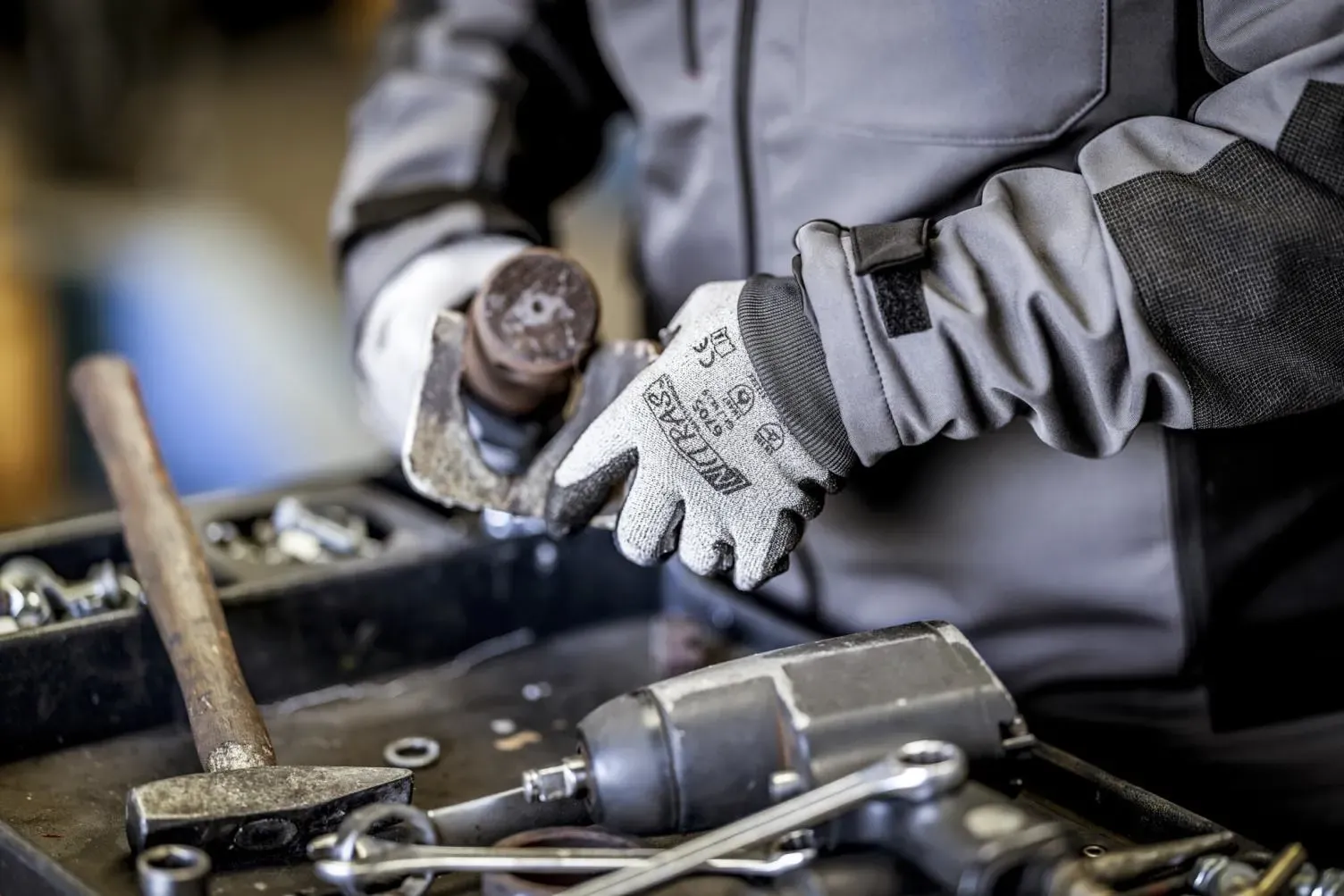
Running pipe and feeding metal drain snakes puts your hands in the path of sharp edges and spinning cable. A cut-resistant pair can save you a serious injury.
Ridgid Drain Cleaning Mitt. Built for sewer cable. Heavy leather with steel studs across the back grips sectional cable and shields your knuckles from the spinning snake and friction burns. Reusable, though pricier, and the thumb can wear over time.
ShuBee Ugly Gloves Safety Cuff. A plumber favorite for drain work. The PVC-coated canvas shell is embedded with large PVC chips so rooter cable twists through your hands without catching, and the jersey lining keeps them comfortable. They shrug off drain chemicals, too.
Ansell HyFlex 11-500 (Kevlar). Lightweight and stretchy with a Kevlar lining for strong cut resistance without the bulk. The dipped palm grips wet or dry, and they wear comfortably all day. Some find the cuff a little short.
DEX FIT Cut-Resistant (A4). Thin gloves with solid ANSI A4 protection front and back, touchscreen-friendly fingertips, and a foam-nitrile palm for grip. Breathable and machine washable.
MCR Safety Work Gloves. Synthetic-leather gloves with a reinforced thumb, touchscreen fingers, and an adjustable cuff, a good all-rounder for bigger jobs around rough PVC and sharp edges.
3
Chemical-resistant gloves
Keep a chemical-rated pair stocked in the truck for drain cleaners, solvents, adhesives, and acids.
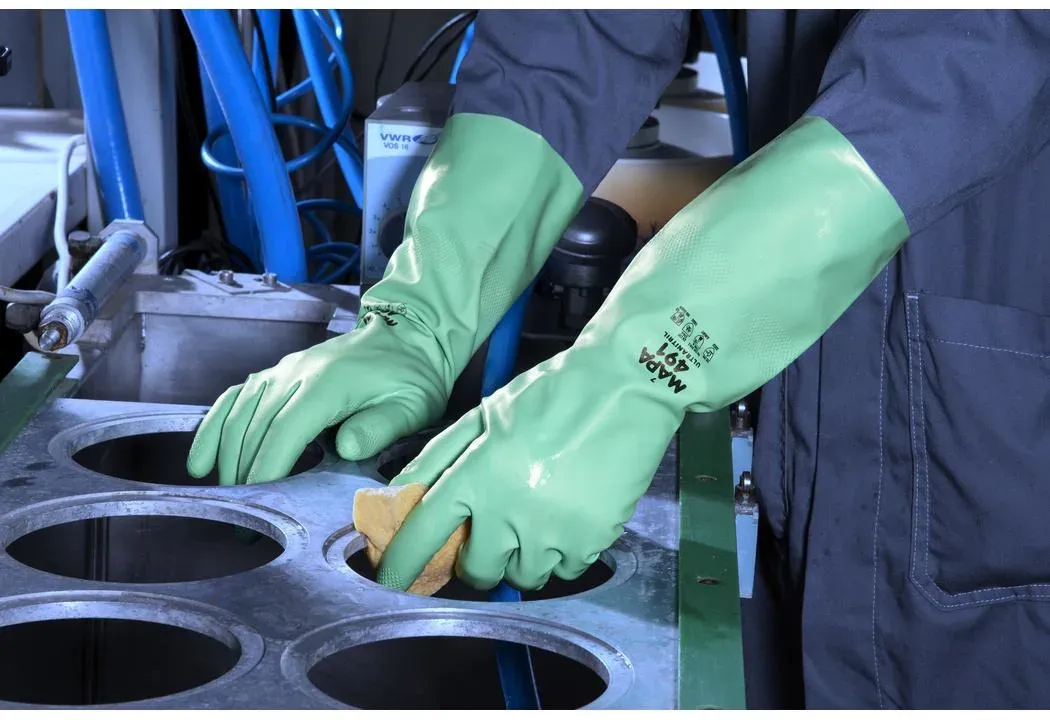
Showa Heavy-Duty PVC (18-inch). Made for the nasty stuff. The long cuff guards your forearms, the textured palm grips in wet bathrooms and kitchens, and the two-tone build shows wear so you know when to swap them.
Wells Lamont PVC-Coated. An affordable chemical barrier with a cotton lining for comfort and coverage up the wrist, textured for grip. Not the most durable, but a solid truck-stock staple.
Chemstop Nitrile (A3). Strong abrasion and puncture resistance plus protection against solvents, oils, and fuels, with an embossed finish for grip.
Delta Plus Neoprene Gauntlets. Neoprene protection for hands and forearms, with flexible fingertips for handling parts and a cotton-flock lining for comfort.
Heads up: before you submerge your hands in anything, check the glove maker's chemical-compatibility chart to be sure that pair is rated for it.
4
Grip gloves
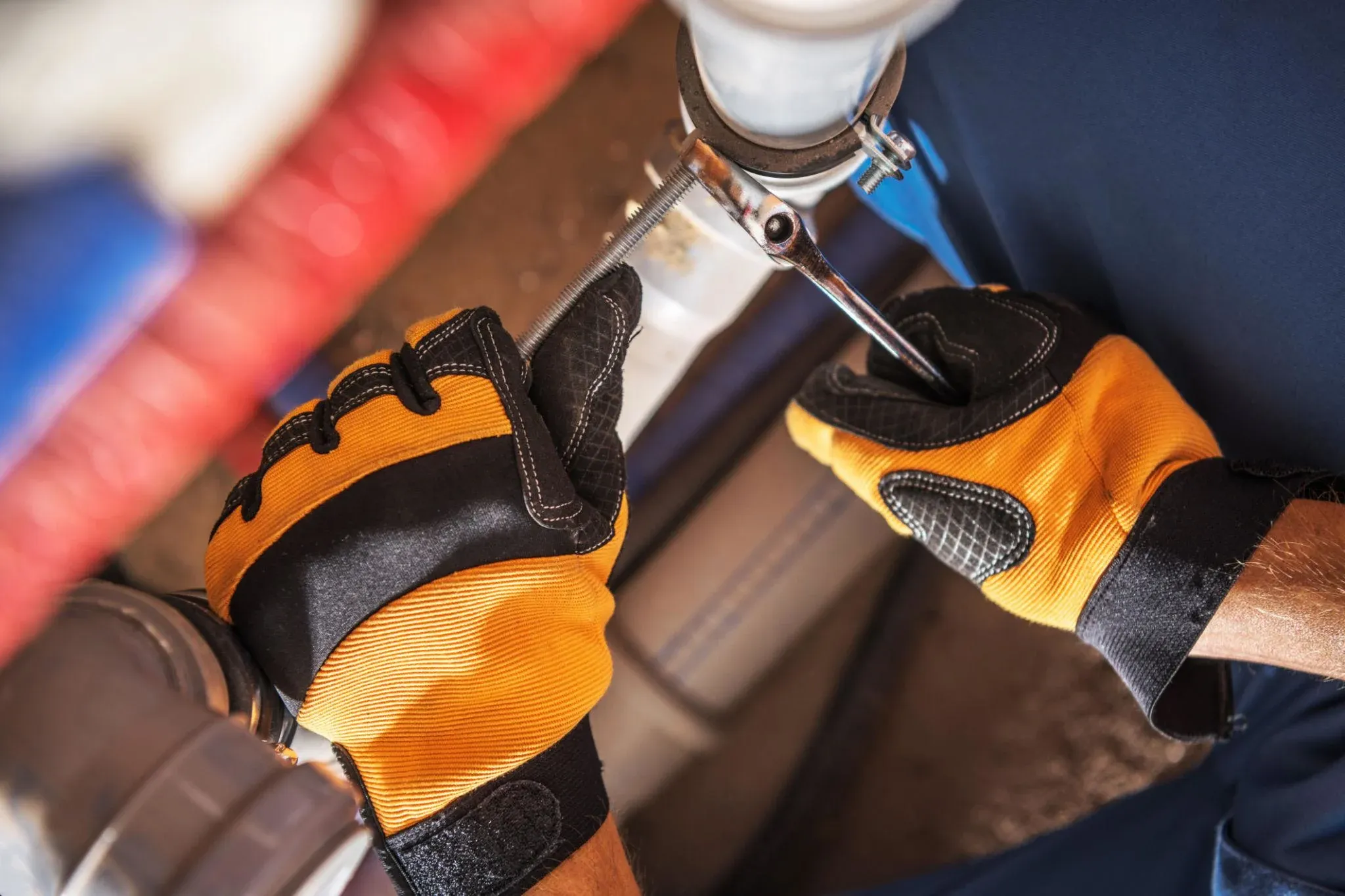
A good grip keeps tools and slippery fittings under control in wet, dry, or greasy conditions.
ATG G-Tek MaxiFlex. Thin, breathable, nitrile palm-coated gloves that grip wet or dry and are comfortable enough to forget you are wearing them. High abrasion resistance. Sizes can run big.
Tsunami Grip. Nitrile-dipped gloves with a tacky surface that holds tools when your hands are wet or greasy. Lightweight, breathable, and affordable.
DEX FIT FN330. Latex-free, waterproof, chemical-resistant nitrile gloves with a snug fit and slip-resistant grip, ideal for routine maintenance and small jobs.
5
Heat-resistant and welding gloves
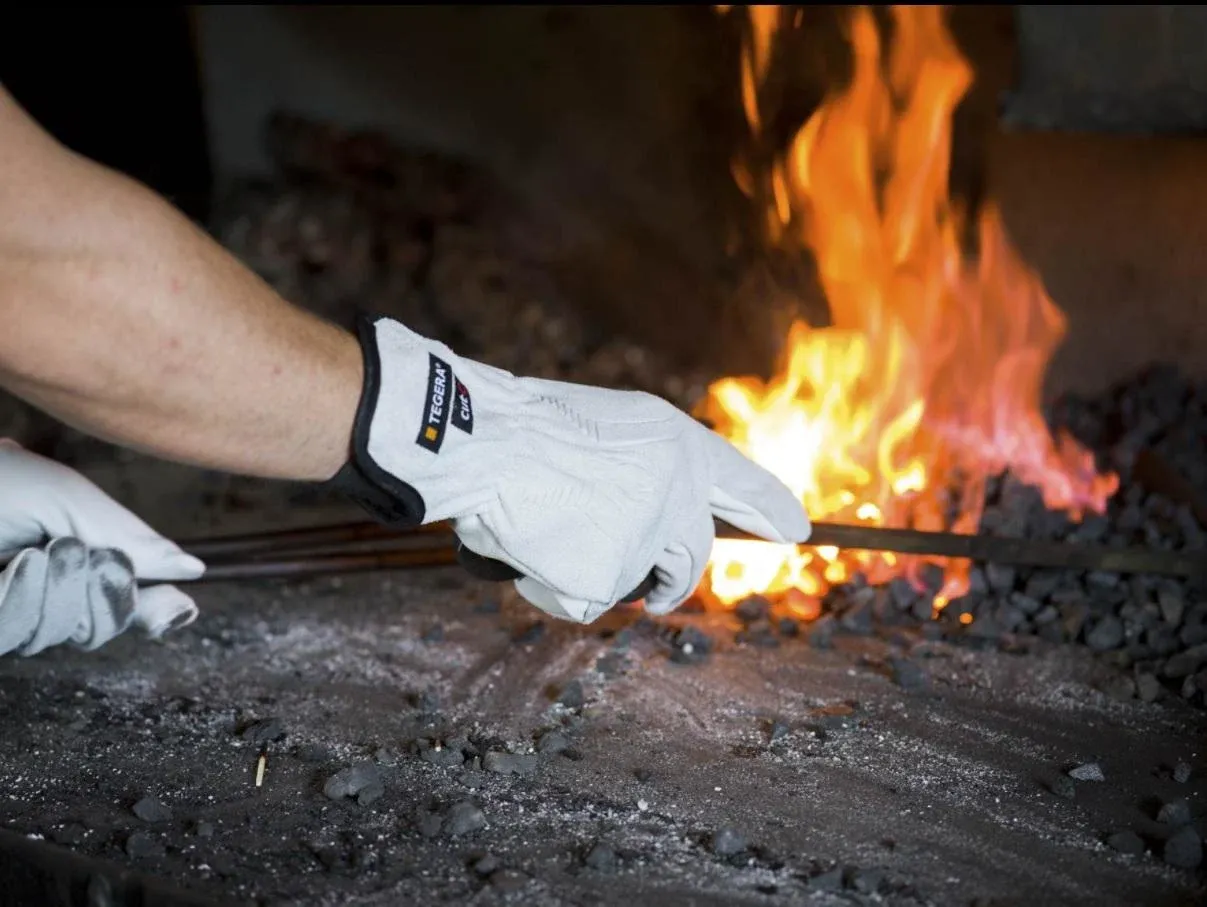
If you solder or do torch work often, heat-rated gloves protect against burns, sparks, and hot metal.
Lincoln Electric Premium Leather Welding. Thick leather resists heat and sparks for soldering and welding, with a fabric lining for comfort. Stiff over very long wear and not machine washable.
Ironclad Heatworx Reinforced. An all-in-one with heat, cut, and abrasion resistance, machine washable and oil-repellent. Great grip in dry conditions, less so when wet.
6
Cold-weather and waterproof gloves
For outdoor work like leak detection, septic service, or downspout cleaning in winter, you want warmth without losing dexterity.
Showa Atlas Therma Fit 451. A top pick for outdoor work: a rubber coating for grip, a napped liner for warmth, and enough flex to maintain dexterity, all while staying dry.
Showa Atlas 282 TemRes. Seamless knit with a breathable polyurethane coating and thermal insulation, so hands stay warm and dry without the sweat. Comfortable for hours.
DeWalt DPG755 Thinsulate. Nylon shell, 3M Thinsulate insulation, PVC palm overlays for grip, and neoprene knuckle padding, with an adjustable strap for cold, wet conditions.
Bellingham Snow Blower SB4601. Double-dipped PVC that shrugs off snow, rain, and leaks while staying flexible enough to work in.
Showa Atlas 460 Vinylove. Double-dipped vinyl and thick thermal lining rated to around minus 4°F, for the coldest septic and outdoor calls.
Chilly Grip A311. A textured rubber palm for grip plus a cozy thermal knit liner for warmth and good dexterity.
Plumbing Gloves at a Glance
Type
Best for
Key materials
Example picks
Disposable
Routine, messy, light work and as a base layer
Nitrile, latex, vinyl
Grease Monkey, Venom Steel, Orange Mamba
Cut-resistant
Drain cable, sharp pipe, rough edges
Leather, Kevlar, PVC chips
Ridgid Mitt, ShuBee Ugly Gloves, Ansell HyFlex
Chemical-resistant
Drain cleaners, solvents, acids
PVC, neoprene, nitrile
Showa 18-inch, Wells Lamont, Chemstop
Grip
Wet or greasy tools and fittings
Nitrile-coated
ATG MaxiFlex, Tsunami Grip, DEX FIT FN330
Heat / welding
Soldering and torch work
Leather
Lincoln Electric, Ironclad Heatworx
Cold-weather / waterproof
Outdoor winter jobs
Insulated PVC, vinyl, Thinsulate
Showa Atlas 451, DeWalt DPG755, Bellingham
Which Glove for Which Plumbing Job
When you are not sure which pair to reach for, match the task to the glove:
Task
Reach for
Example
Snaking or rodding a drain
Cut-resistant mitt or PVC-chip glove
Ridgid Mitt, ShuBee Ugly Gloves
Handling sewage or waste
Waterproof disposable, layered
Grease Monkey Nitrile
Pouring drain cleaner or solvents
Long-cuff PVC or neoprene
Showa 18-inch, Delta Plus
Soldering or torch work
Leather welding glove
Lincoln Electric, Ironclad
PEX, fittings, general install
Nitrile-coated grip glove
ATG MaxiFlex, Tsunami Grip
Demolition and rough handling
Synthetic or full leather
MCR Safety
Winter, septic, outdoor calls
Insulated waterproof
Showa Atlas 451, DeWalt DPG755
Quick inspection or light task
Disposable or vinyl
Orange Mamba, Gloveworks
The layering strategy
Two thin gloves often beat one thick one. A disposable nitrile layer under a cut-resistant or grip glove adds a chemical and sewage barrier without killing dexterity, and when the outer glove gets filthy you still have a clean layer underneath. It is the simplest way to get more protection out of the plumbing gloves you already carry.
How to Care for Your Gloves (and When to Replace Them)
Plumbing gloves only protect you while they are intact, so a few simple habits go a long way:
Inspect before each use. Look for holes, thin spots, cracks, or frayed fibers. A cut-resistant glove with worn-through fibers, or a chemical glove with a pinhole, gives you a false sense of safety that is worse than no glove at all.
Never reuse disposables. They are one and done. Peel them off inside out and bin them, especially after any contact with sewage or chemicals.
Clean your reusable pairs. Wash machine-washable gloves regularly to clear bacteria and grime, then air-dry them fully before storing. Check the label first, since leather and some insulated gloves are not machine washable and will shrink.
Watch chemical gloves closely. Replace them at the first sign of swelling, stiffening, discoloration, or a tacky surface, all signs the material is breaking down. Two-tone gloves that reveal a second color as they wear make this easy to catch.
Store them dry and out of the sun. Heat and UV degrade rubber and PVC over time, so keep pairs in a dry bin in the van rather than baking on the dash.
Replace on a schedule, not just on failure. If a glove is your barrier against cuts or chemicals, do not wait for it to fail mid-job. Keep spares stocked so a worn pair always gets retired early.
Common Glove Mistakes Plumbers Make
Even experienced techs slip into these habits. Avoid them and your plumbing gloves will protect you the way they should:
Using one pair for everything. A grip glove will not stop a drain cleaner, and a disposable will not stop cable.
Reusing single-use gloves. A stretched, contaminated disposable is worse than none.
Guessing on size. The wrong fit means lost dexterity or fast fatigue, and a loose glove near spinning cable is a hazard.
Skipping the compatibility chart. A glove rated for one chemical can dissolve in another. Always check.
Baking gloves on the dashboard. UV and heat quietly kill rubber and PVC. Store them in a bin.
Going bare for "quick" jobs. Most hand injuries happen on the task that seemed too small to bother.
Building Your Van Glove Kit
You do not need every pair of plumbing gloves on this list, but you should carry one from each category you actually encounter. A solid starting kit looks like this:
A box of nitrile disposables for daily messy and light work
One cut-resistant pair (A3 or A4) for drain and cable work
One long-cuff chemical glove for drain cleaners and solvents
One nitrile-coated grip pair for installs and wet tools
A leather welding pair if you solder regularly
An insulated waterproof pair for cold-season outdoor calls
Budget-wise, disposables cost just cents each by the box, quality reusable pairs typically run in the low tens of dollars, and specialty welding or insulated gloves cost more. Whatever you spend, keep spares, because a worn glove you cannot replace on the spot is a glove you will be tempted to skip.
Keep Your Hands Safe and Your Schedule Full
The right plumbing gloves keep your hands in one piece. The catch is that they make one job nearly impossible: answering the phone. When both hands are buried in a glove and a drain, the call ringing in your pocket might as well be on the moon, and the caller who lands in your voicemail usually just dials the next plumber on the list.
That is the gap CloseCrew fills. Larry, CloseCrew's AI employee, answers every call, text, and web inquiry around the clock in English and Spanish, qualifies the caller, and books the job straight into your schedule, then confirms appointments, follows up on unsold estimates, and asks happy customers for reviews. You keep your gloves on and your focus on the work, and Larry makes sure no lead slips down the drain.
Good plumbing gloves are among the cheapest, smartest forms of protection a plumber can buy. Stock a pair from each category, match the glove to the job, size them right, and replace them before they wear through, and your hands will stay ready for work.
Then protect the other thing that keeps you in business: the leads. Book a CloseCrew demo to see how Larry answers and books every call while your hands stay on the tools.
Related tools
Run the numbers before you update your price book or field software.
Free Plumbing Templates
Invoices, estimates, and flat-rate pricing sheets for plumbing contractors.
Pricing is where plumbing businesses quietly win or lose money. Charge too little and you eat your margin on every third job; charge inconsistently and your books become a mess. The right pricing app fixes both by giving every tech an accurate, up-to-date pricebook and the tools to build professional estimates in seconds.
This guide is a complete, plain-language reference to the symbols you will meet on plumbing plans: pipeline and service-line symbols with their abbreviations, piping and fitting symbols, valves, instruments, fixtures, equipment, fire-protection symbols, and the building-context marks that share the page.
Never miss a Plumbing service call again. Let Larry, your AI receptionist, book jobs while your crew is in the field.
We will run your numbers on the call and tell you if the maths does not work for a shop your size. That happens, and it is a cheaper conversation than finding out three months in.