Plumbing Marketing Guide: 16 Ways to Grow Your Plumbing Business in 2026
This guide explains how plumbing businesses can get more customers using 16 practical marketing strategies. It covers the essentials like having a mobile-friendly website, improving local SEO, setting up a strong Google Business Profile, and collecting customer reviews to build trust and visibility.
20 min readPublished June 18, 2026Updated July 23, 2026
Clearing a drain and filling your schedule take two completely different skill sets. You can be the best plumber in town and still struggle to get found, because modern plumbing marketing runs through Google, reviews, ads, and a fast website, all while you are trying to keep trucks rolling and phones answered. This guide lays out 16 proven tactics to bring in more work, from the basics of a mobile site and a Google Business Profile to lead tracking, email, and local ads. One thread ties them all together: nearly every tactic below ends in a phone call, so the businesses that win are the ones that actually answer.
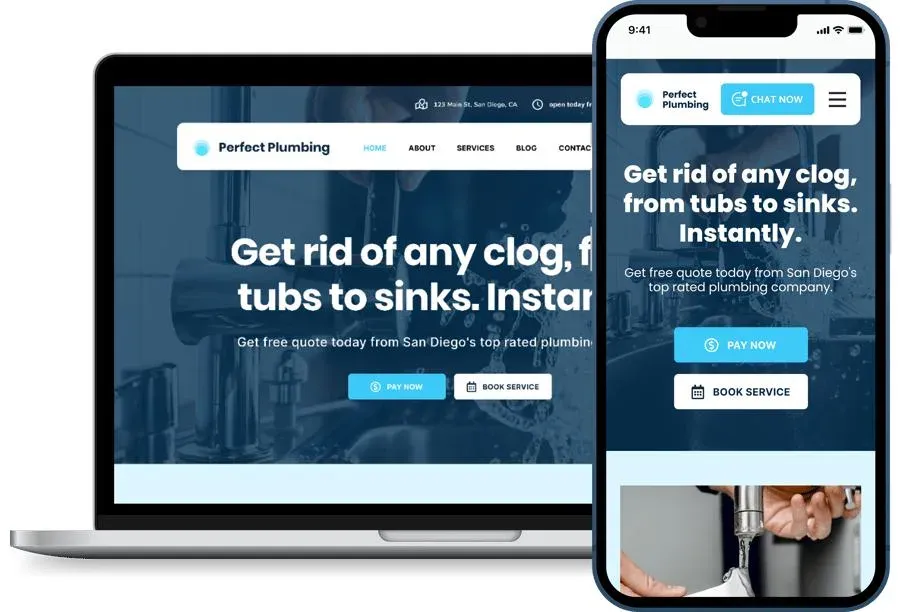
The starting point for any plumbing marketing plan is a website that loads fast and looks right on a phone, because that is where almost all of your customers will find you. A mobile-friendly site uses a responsive design that adapts to any screen, avoids walls of text and heavy images, and makes calling or booking a one-tap action. When someone has water spreading across the kitchen floor and types "plumber near me," they are on their phone and have zero patience. If your site is slow or clumsy, they bounce to the next plumber whose site loads cleanly. This is high-intent traffic, not idle browsing: Think with Google reports that 76 percent of people who search for something nearby on a smartphone visit a business within a day, and 28 percent of those searches end in a purchase. Make them wait, and that ready-to-book customer goes to a competitor.
Quick checklist:
Build for phones first, not desktops.
Put your best reviews and a click-to-call button up top.
Keep it fast, clean, and easy to navigate.
2. Optimize Your Website for Local SEO
Search engine optimization is how you show up when a homeowner searches without a referral, which is most of the time. The trick for a local trade is to think geographically. A plumber in Charlotte should be targeting phrases like "Charlotte water heater repair" and "drain cleaning Charlotte," not just "plumber." Weave those local terms into your page titles, headings, service-page copy, blog posts, and meta descriptions so Google connects your business to the searches in your area. The opportunity is enormous: about 46 percent of all Google searches have local intent, and four in five consumers use search engines to find nearby businesses, so ranking for the right local terms puts you in front of buyers at the exact moment they need you. For a more in-depth playbook, see our guide to getting more plumbing leads.
Quick checklist:
Think local with every keyword.
Use the terms customers actually type.
Work those terms naturally into your pages.
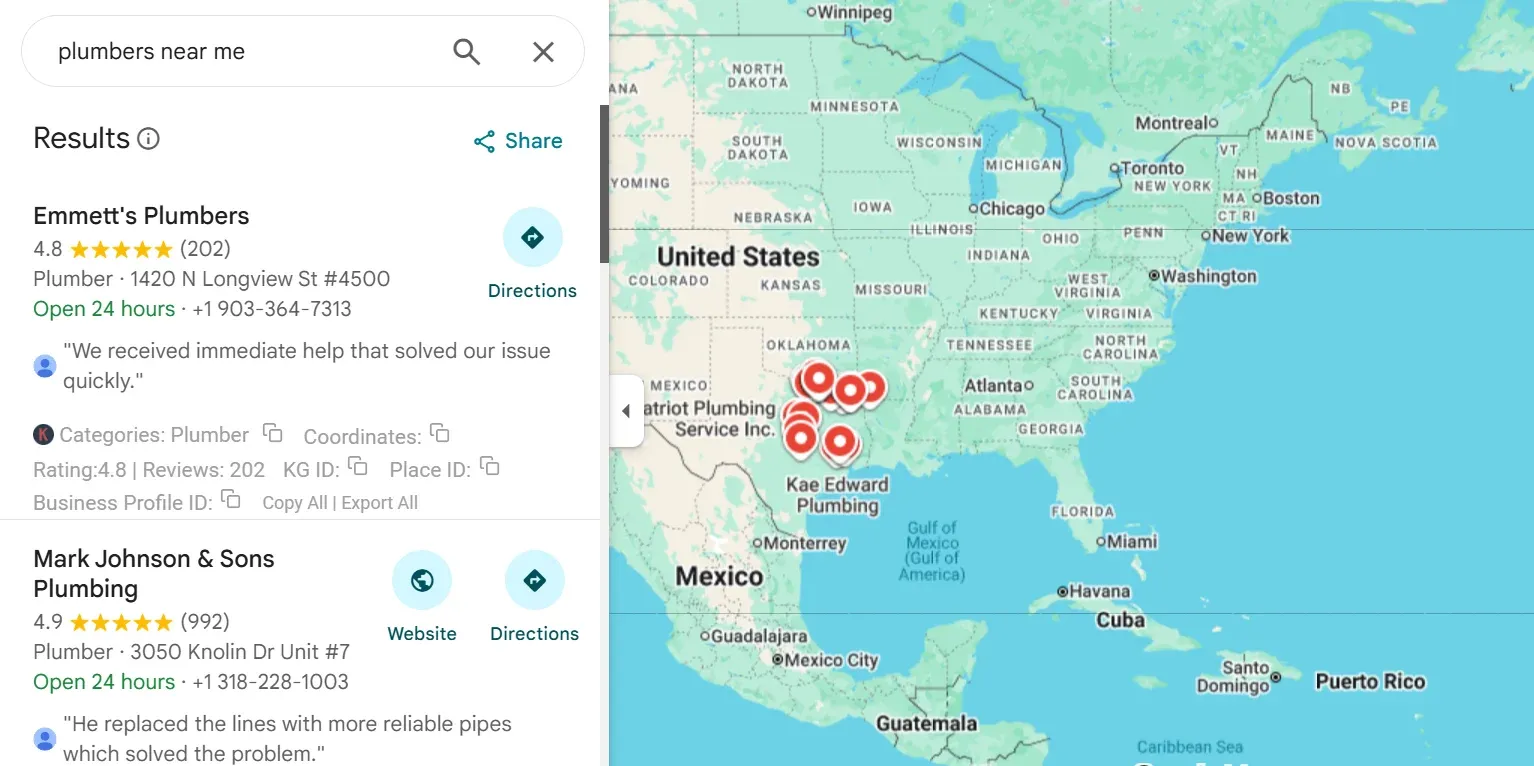
When you search “plumber near me” on Google, you’ll notice something interesting, the same businesses keep showing up at the top. That’s basically local SEO in action.
3. Set and Manage a Real Marketing Budget
Marketing without a budget is just hoping. A common rule of thumb is to dedicate roughly 10 to 15 percent of revenue to marketing if you are actively trying to grow, while 5 percent is a maintenance level that keeps the lights on but rarely moves the needle. Decide on your number, then split it across the channels that fit your market, whether that is digital ads, local SEO, direct mail, or a mix. The discipline that matters most is reviewing performance and shifting dollars toward what works, rather than setting it and forgetting it.
Quick checklist:
Commit a set percentage of revenue.
Put the money where it performs.
Revisit the numbers regularly.
4. Track Every Lead to Its Source
You cannot improve what you do not measure. To spend marketing dollars well, you need to know exactly where each lead came from, what it cost, and whether it turned into a booked, paid job. That means tagging leads by source, separating new customers from repeat customers, and stripping out solicitations and price shoppers so your numbers reflect real opportunities. Done consistently, lead tracking turns marketing from a guessing game into a spreadsheet you can act on. Because most of those leads arrive via phone calls, a system that logs every call and the campaign behind it, like CloseCrew, provides that attribution automatically.
Quick checklist:
Treat lead tracking as non-negotiable.
Capture the detail behind every inquiry.
Calculate true cost per lead and ROI.
5. Record and Review Your Calls
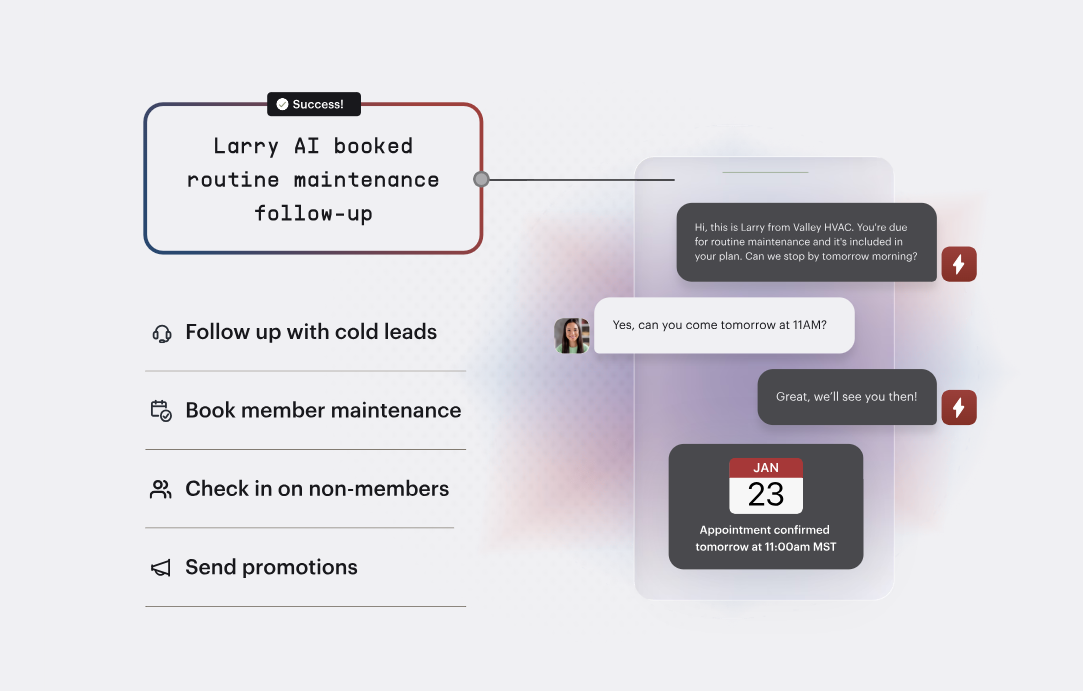
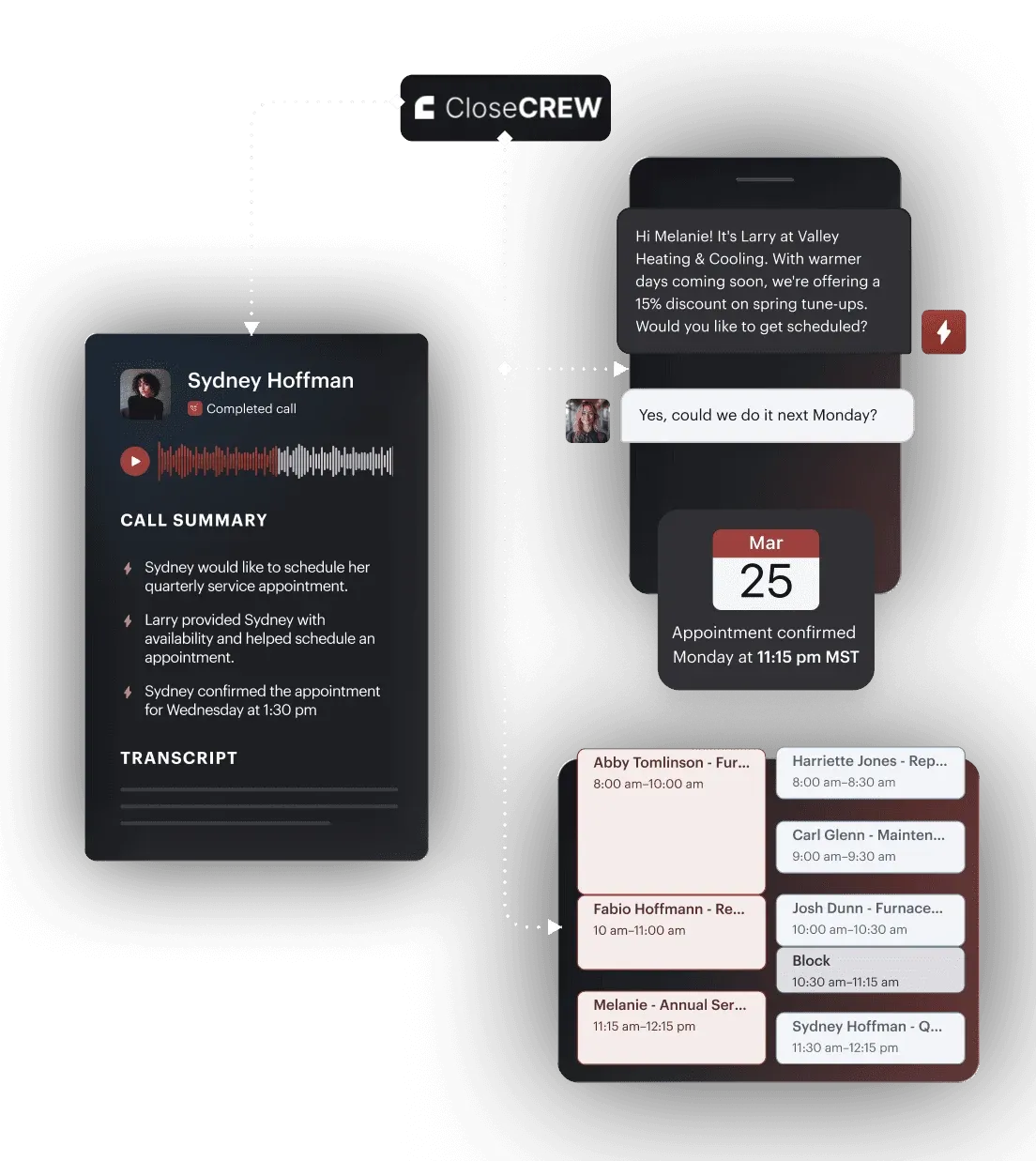
Call tracking closes the loop between marketing and the front desk. It is not enough to spot-check a few calls; every call should be recorded, categorized, and reviewed, because that is where you find the booking that got away and the training gap behind it. Logging the date, source, who answered, whether it was booked, and any objections turns vague impressions into clear patterns. Speed matters as much as the records themselves, because the faster you respond, the more leads you keep. CloseCrew's AI receptionist, Larry, answers and records every inbound call 24/7, transcribes it, and books the job into your calendar, so you get both a complete record to coach from and the assurance that no call rang out unanswered in the first place.
Quick checklist:
Listen to how calls are actually handled.
Tie each call to a campaign.
Use what you learn to coach and adjust.
6. Claim and Optimize Your Google Business Profile
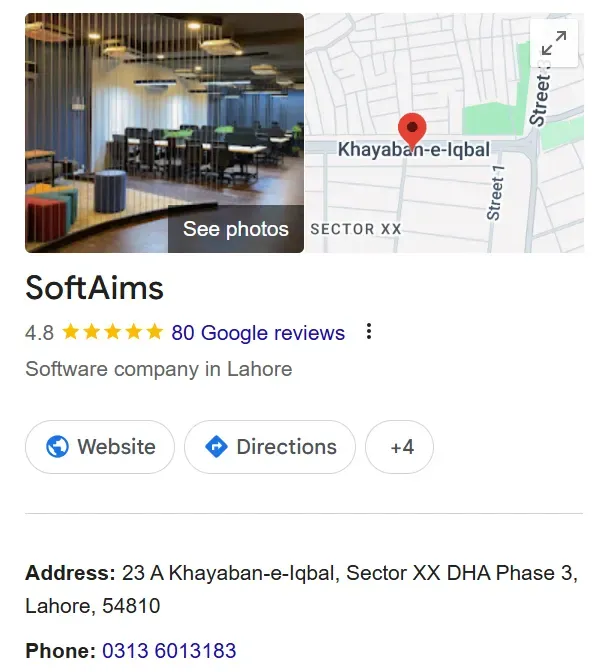
Your Google Business Profile is free, fast to claim, and one of the highest-leverage things you can do because it is what lands you in the local map pack when someone searches for a plumber nearby. Verify the listing, then fill in everything: services, hours, service area, photos, and a phone number that rings to someone who answers. Pair a complete profile with strong reviews and a solid website, and you give yourself a real shot at page one without paying for it. If you run multiple locations, set up a separate profile for each with its own address and number.
Quick checklist:
Set up and verify your profile.
Fill it out completely and keep it current.
Earn your spot in the local map results.
This is what a Google Business Profile looks like in search results:
7. Tell Your Story Through Blogs and Video
Content marketing is one of the cheapest forms of advertising you have, and it does double duty: it builds trust with homeowners, and it feeds your SEO. Short blog posts and videos that answer real questions, like how to spot a slab leak or what a water heater replacement costs, target valuable keywords while positioning you as the expert. Use those terms in headlines, captions, image alt text, and throughout the copy, and share the content on social platforms to pull traffic back to your site. Just keep it genuinely useful; keyword-stuffed filler does more harm than good. Start from your customer, not your service list: what are they worried about, what would they type into Google, and how can you answer it? That framing, plus a clear sense of what sets you apart, is what turns a blog post into a lead. Video earns extra trust, so short clips introducing your team or showing a before-and-after repair tend to convert better than text alone.
Quick checklist:
Build authority with helpful content.
Target the questions customers actually ask.
Keep the site fresh.
8. Build a Brand People Remember
Homeowners are nervous about who they let into their house, so a strong brand is really a trust signal. A memorable name, a clean logo, wrapped trucks, and sharp uniforms all work together to make you the plumber people remember and feel comfortable calling. The goal is to be both sticky and distinct: easy to recall and clearly different from the sea of look-alike competitors. A brand that signals professionalism and reliability does quiet work long before the first phone call. The goal is to position yourself as the local expert, not just another service provider, because experts stand out, earn trust faster, and can charge more. A sharp logo, consistent colors, and proof that you are licensed and insured all reinforce that. If you are still setting up the business, our guide on how to start a plumbing business covers the basics.
Quick checklist:
Make your name and logo stick.
Stand out instead of blending in.
Put customers at ease.
9. Ask Every Happy Customer for a Google Review
Reviews may be the single most important off-site marketing asset you have. BrightLocal's Local Consumer Review Survey finds that 98% of clients read online reviews for local companies, that 42% trust them as much as a personal recommendation, and that barely 3% would consider a business rated 2 stars or lower. Google is by far the most-read platform, so that is where to focus. The winning formula is simple: give service worth talking about, ask while the job is fresh, and make it one tap to leave a review. That follow-up is always helpful to automate. CloseCrew can text a review request after a job is completed, so the ask never falls through the cracks.
Quick checklist:
Make the ask part of every job.
Personalize the request.
Make leaving a review effortless.
10. Master Local SEO by Targeting the Right Neighborhoods
Local SEO is about getting in front of the right people, not just any people. Learn your market: who owns homes in your area, what they search for, and which neighborhoods send you your best jobs. Then show up where they gather online, including community platforms like Nextdoor and local Facebook groups, which are powerful for word-of-mouth and referral traffic. The more consistently you show up in front of the right local audience with a helpful, trustworthy message, the more your brand becomes the default answer when a pipe bursts.
Quick checklist:
Learn your service area cold.
Get active in local online communities.
Build awareness where your customers live.
11. Send Targeted Email Campaigns
Email is one of the most high return marketing channels, with Litmus reporting an average of $36 in return for every $1 spent, more than any other channel. The rub is relevancy. Generic mass blasts get ignored, but segmented emails convert. Send a "We miss you" note to customers you haven't seen in a year. Send a reminder to anyone who's sitting on an unsold estimate. Send a maintenance-season offer to homeowners with aging equipment. Leverage the data you already have about your customers to segment your list, keep it fresh, and automate recurring sends so they run on their own without your day-to-day attention.
Quick checklist:
Send the right message to the right list.
Segment instead of blasting everyone.
Use your customer data.
CloseCrew takes the highest-value follow-ups off your plate. It is not a bulk email platform, but Larry chases unsold estimates, re-engages customers you haven't heard from in a while, and sends a review request after each job, with calls, texts, and email flowing into one inbox, so the follow-up that actually books revenue happens on its own.
12. Invest in Google Local Services Ads
Google Local Services Ads sit above both the regular paid ads and the organic results, and they show a compact profile of your business: your name, rating, and years in business. The model is pay-per-lead, so you only pay when a customer actually reaches out to you. This weeds out the time-kickers. Your rank is based on factors such as your proximity to the searcher, your review rating and volume, your responsiveness, and your hours. You qualify if you earn the Google Guarantee badge. But keep in mind: you usually need a physical location in the area you advertise, not just a PO box.
Quick checklist:
Land at the very top of the search.
Show a quick snapshot of your business.
Pay only when a customer reaches out.
13. Use Direct Mail Strategically
In trades, direct mail still works, especially when blended with your digital efforts. When a homeowner needs you, you want to be in their hands! A well-crafted postcard with a catchy hook and a real incentive, like a seasonal tune-up discount, can get you there. And then there is the goodwill of the community. Sponsoring a Little League team or helping a neighbor in need builds local awareness that money can’t buy directly. Track mailer campaigns like you do digital campaigns and discover which designs and offers are worthwhile.
Quick checklist:
Make mailers part of your brand, not an afterthought.
Lead with a clear offer or incentive.
Keep the design professional.
14. Test App-Based Lead-Generation Services
Lead-generation marketplaces such as Angi,Thumbtack, and Yelp can open another channel, but the results are genuinely mixed. Some plumbers swear by them, others waste money on shared leads that don’t turn into jobs. The smart approach is to treat any of them as an experiment, start with a small budget, track exactly what each lead costs and converts at, and read the fine print on billing before you commit. And if it’s selling in one metro, it may not in another, so let your own numbers decide, not the sales pitch.
Quick checklist:
Tap directories like Angi, Thumbtack, and Yelp.
Watch your cost per usable lead closely.
Find what works in your specific market.
15. Measure Results and Double Down on What Works
Whatever mix of tactics you use, the job isn’t finished until you measure it. Build a simple scorecard for each active campaign, assign every new customer to the source that brought them in, and then do the obvious thing that most businesses never get around to: invest more in the channels that have strong returns and cut the ones that don’t perforthat m. With call tracking and clean lead data, this becomes a monthly habit rather than a scramble once a year.
Quick checklist:
Connect every new customer to a campaign.
Calculate cost per lead and ROI by source.
Review and adjust on a schedule.
16. Deliver Service Worth Talking About
All expert lists come back to the same truth: the best marketing is service so good that people tell their neighbors. That means training every technician to go the second mile, whether that’s carrying a trash can up from the curb or changing the battery in a hard-to-reach smoke detector for an older customer. It starts before the technology even arrives, in the way the phone is answered. A friendly, helpful first call sets the tone for the whole job, and a missed call sets a tone too. Our guide to plumbing customer service digs into the details.
Quick checklist:
Five-star reviews come from five-star service.
Train techs to go the extra mile.
Let word of mouth do the rest.
Go Deeper on Paid Search: PPC for Plumbers
Organic SEO is a slow build-up. That , whichis why the two work so well together. Pay-per-click advertising buys you the top of the page today. When a homeowner types "emergency plumber near me," they are not researching; they are hiring, and a well-run ad puts you in front of them at that exact moment. For plumbers, the two most important formats are standard Google Search ads, and Local Services Ads are the pay-per-lead “Google Guaranteed” listings that appear at the very top of the results (see tip 12).
Quick checklist:
Buy the top of the search for high-intent jobs.
Target specific local keywords, never just "plumber."
Track every click all the way to a booked job.
Target Specific Keywords, Not "Plumber"
The quickest way to burn through a budget is to bid on broad terms like “plumbing” or “plumber” which can cost $20+ per click and convert poorly because the intent is all over the map. Bid on specific, local, high-intent phrases like “water heater repair Denver” or “clogged drain repair [city].” " You match the searcher's intent and location, and you pay for clicks that are much more likely to turn into jobs.
Use Negative Keywords to Cut Waste
Negative keywords are words you tell Google to stay away from. Otherwise, it attracts job seekers and do-it-yourselfers who will never book. That plumber's list should contain "jobs," "salary", "DIY", "how to" and "free". Pruning them saves your budget for real buyers.
Send Every Ad to a Matching Landing Page
Sending every click to your home page is throwing money away If a person clicks on an ad for water heater replacement, send them to a water heater page that matches the ad’s headline, not a generic homepage. The more relevant the search, ad and landing page, the higher your conversion rate.
Know the Numbers
Plumbing is a competitive and high-value category, so clicks aren’t cheap. Industry estimates for average plumbing cost per click are $8 to $15, with emergency and big-ticket terms like “24-hour plumber” running $15 to $30 in larger metros. A good starting point is $30 to $50 a day while you collect data and categories, then scale where it converts. Here are some examples of what healthy campaigns look like:
Click-through rate: roughly 3-7%.
Click-to-lead conversion rate: roughly 8-15%.
Cost per lead: often $40 to $120.
Return on ad spend: a healthy target is 3x to 6x.
Track Conversions or Don't Bother
This is the step most plumbers skip and the most important one. Clicks mean nothing if they never become calls and booked jobs. At a minimum, track phone calls and form submissions from your ads, then follow that revenue down the funnel so you know which keywords actually pay. Google Keyword Planner helps on the front end; on the back end, logging which ad or keyword drove each call, which CloseCrew does automatically, tells you where your money really goes.
Should You Hire an Agency?
If your monthly ad budget is under a couple of thousand dollars, running PPC yourself is a reasonable way to learn the ropes. Once budgets grow and campaigns become more complex, a specialist can usually earn higher returns, though agencies typically charge 10 to 20% of ad spend. Either way, never pay to send traffic to a website that is not built to convert, which brings us to the next section.
Turn Clicks Into Booked Jobs
Turn the traffic you paid for into booked calls.
Put a real person on every phone call.
Let your reviews do the selling for you.
You can win the click and still lose the job. Conversion rate optimization is the practice of turning the traffic you earned from SEO, ads, reviews, and referrals into booked appointments, and a few elements move the needle the most.
Build a Website That Converts
Traffic is no good on a site that doesn't sell. Lead with your unique value proposition, show reviews and a click-to-call button where phone users can see them immediately, address common questions right on the page, and keep the whole thing fast and mobile-first. Every time a clean and trustworthy site with real personality beats a generic template.
Put Your Reviews to Work On-Site
Reviews are not just for Google; they are social proof on your own pages. Embedding your best reviews on your landing pages preempts the homeowner who would otherwise leave to read them elsewhere, and the financial stakes are real. Harvard Business School research found that a one-star increase in rating can lift a local business's revenue by 5 to 9 percent.
Answer Every Call With a Real Person
This is the most underused conversion lever in the trades. A surprisingly large number of plumbing businesses don't have a live person answer and a homeowner with a flooded basement who gets voicemail simply calls the next listing, taking every dollar you spent to generate that call with them. Closing that gap is the highest-leverage fix most shops can make, and it’s just what the next section is about.
Track Conversions
As with PPC, you cannot optimize what you do not measure. Tie every new customer to the campaign that produced them, watch cost per lead by channel, and move budget toward what books jobs. For more on filling the pipeline, see our guide to getting more plumbing leads.
Don't Spend on Marketing You Can't Answer
This is the uncomfortable math behind each of the tactics above. You can build a great site, rank locally, run ads, and get glowing reviews. But it all comes down to one moment. The phone rings. If it rings, goes to voicemail, or hits a busy CSR, the money you spent to generate that call is wasted. Marketing is still working. About 40% of home-service calls come in after hours, when most shops are closed. Speed is as crucial as availability: a pioneering Harvard Business Review study found that if you get back to a prospect in five minutes, you are about 100x more likely to connect and 21 times more likely to qualify a lead than if you wait thirty minutes, and about 78% of customers hire whoever responds first.
CloseCrew's AI receptionist, Larry, answers every inbound call 24/7, including nights and weekends, in English and Spanish. Larry qualifies the caller, answers common questions, books the job into your calendar, follows up on estimates, and requests reviews afterward, with calls, texts, webchat, and email all flowing into one inbox. CloseCrew reports contractors using it see up to 3x more booked leads and save 5 to 15 hours a week, with onboarding in around 48 hours. In other words, it protects the return on every other line item in your marketing budget by making sure the demand you paid to create actually gets booked.
Market Like a Pro, Then Capture the Work
Great plumbing marketing rings the phone. The businesses that succeed are the ones that answer it every time. See how CloseCrew keeps your phones safe so the leads you worked to get turn into booked jobs.
Frequently asked questions
How much should a plumbing business spend on marketing?
A good rule of thumb is 10 to 15 percent of revenue when you’re in active growth mode and about 5 percent as a maintenance level. The right number will depend on your goals, your margins and how competitive your market is. So set a figure, keep track of the results, and adjust as necessary.
What is the most important plumbing marketing channel?
There is no single answer, but a complete Google Business Profile, plus strong reviews and a fast mobile website, is the foundation on which almost everything else builds, because that is how most local customers find and vet a plumber.
Do online reviews really matter for plumbers?
Enormously. BrightLocal finds that 98 percent of consumers read reviews for local businesses, and very few will consider a business with a low rating. Consistently earning recent, positive Google reviews is one of the highest-return things a plumbing business can do.
How do I know which marketing is actually working?
Trace every lead to its source and associate new customers with the campaign that generated them. Call tracking and clean lead data enable you to calculate cost per lead and ROI by channel so you can fund what works and cut what doesn’t.
What is the fastest way to get more plumbing jobs from my current marketing?
Take every phone call. A lot of your spend is phone calls, missed calls are lost jobs. If you book every inbound call, even after hours, it often brings in revenue faster than running new campaigns.
How fast should I respond to a new plumbing lead?
As close to instantly as you can, preferably within five minutes. A Harvard Business Review study that is widely cited found that the odds of qualifying a lead drop dramatically after the first few minutes, and most customers end up hiring whoever responds first. To win that race, the easiest way is to answer every call live, including nights and weekends.
Is PPC worth it for plumbers?
Often yes, especially for emergency and same-day services, because paid search reaches people at the moment they are ready to hire. The catch is that plumbing clicks are expensive, so target specific local keywords, use negative keywords, send clicks to matching landing pages, track conversions, and make sure a real person answers the calls those ads generate.
Related tools
Run the numbers before you update your price book or field software.
Free Plumbing Templates
Invoices, estimates, and flat-rate pricing sheets for plumbing contractors.
A plumbing landing page has one job: turn an expensive ad click into a booked job. Most pages leak that traffic because the headline does not match the ad, the page loads slowly on a phone, the call to action is vague, or worst of all, the lead that finally fills out the form sits in an inbox while a competitor calls back first. This guide fixes all of that.
This guide breaks down the 34 essential plumbing tools every pro needs in 2026 into two main categories: physical hand tools and digital business tools. The hand tools cover wrenches, pipe cutters, drain machines, safety gear, and specialty equipment like PEX tools and inspection cameras, with clear pricing and selection tips for each.
Never miss a Plumbing service call again. Let Larry, your AI receptionist, book jobs while your crew is in the field.
We will run your numbers on the call and tell you if the maths does not work for a shop your size. That happens, and it is a cheaper conversation than finding out three months in.