Protection
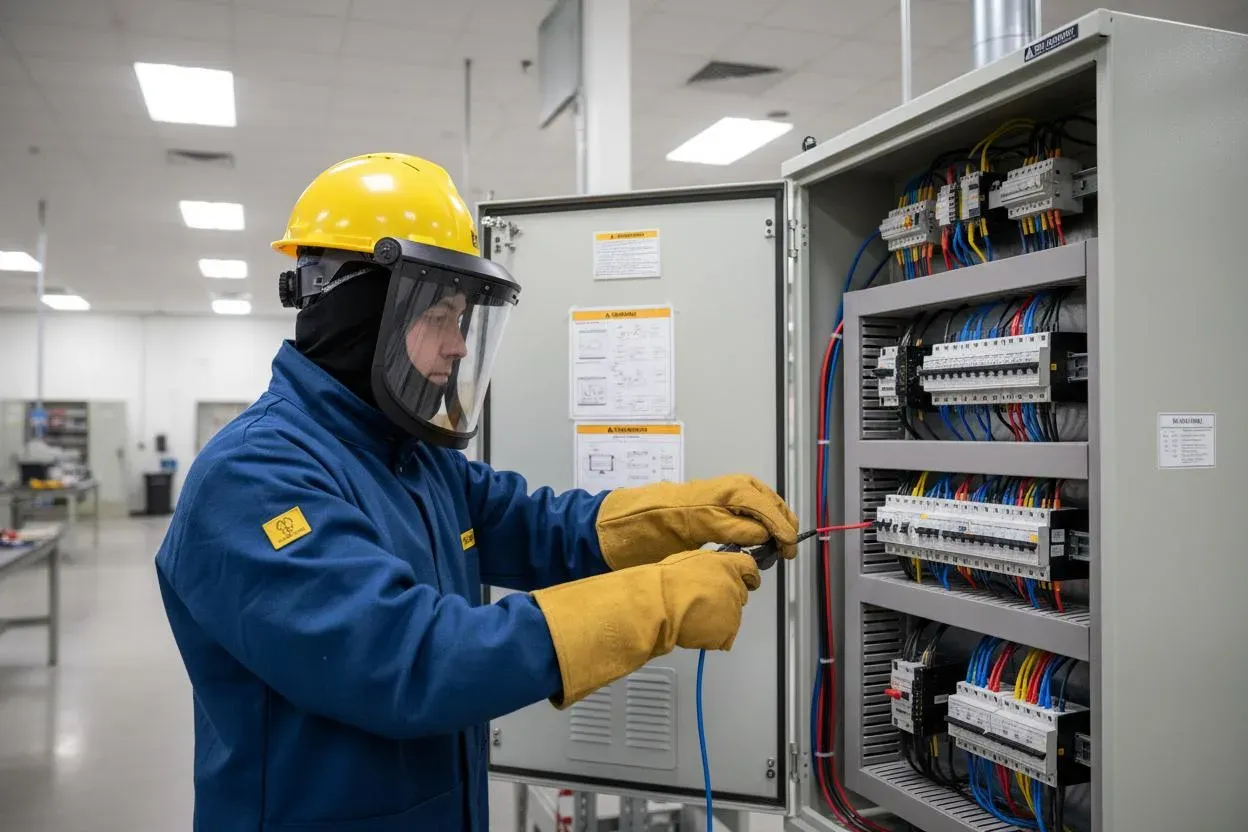
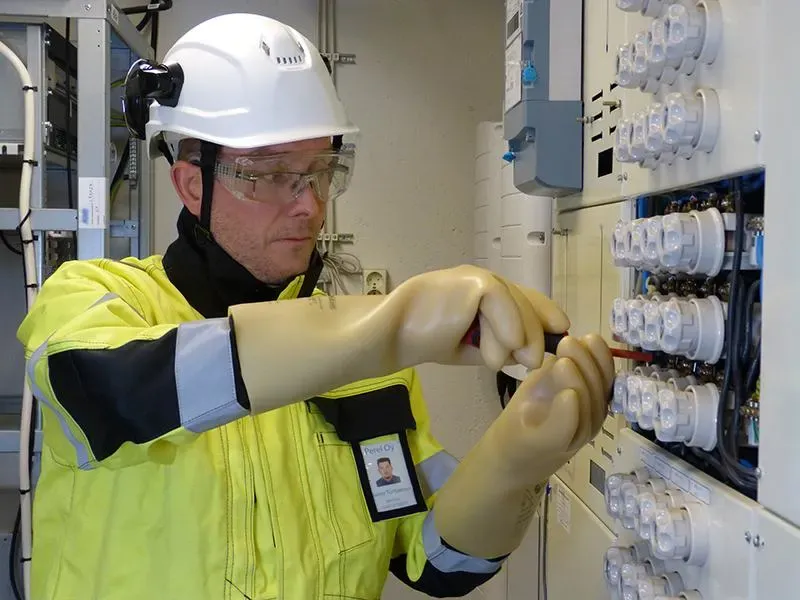
Safety is the primary function. Electricians face hazards other trades don't. Arc flash. Electrical shock. High-voltage components. Hazardous chemicals. Flammable gases.
OSHA-mandated protective elements:
Flame-resistant clothing that self-extinguishes
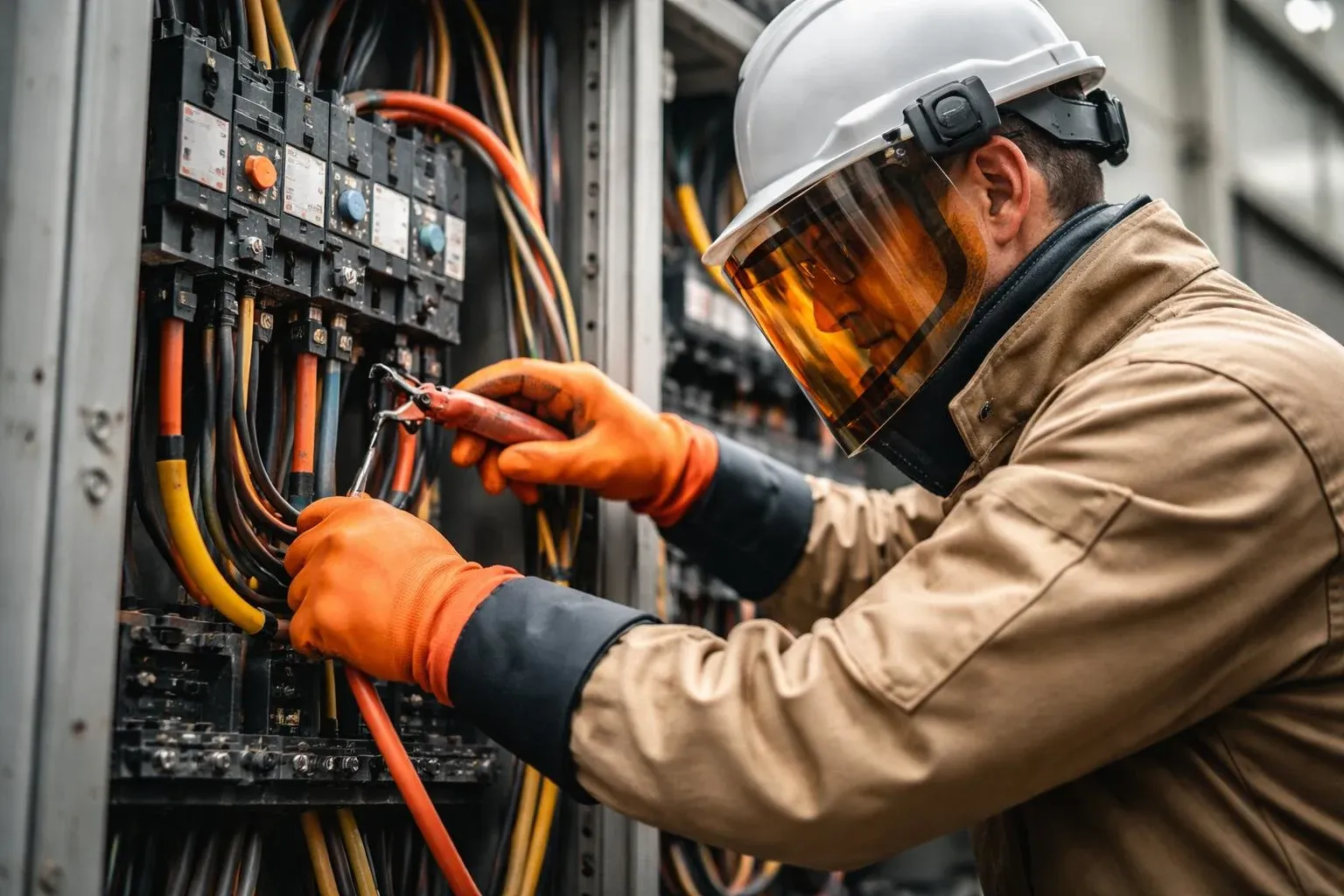
Voltage-rated gloves with leather protectors
Materials like Nomex and Indura cotton for heat exposure
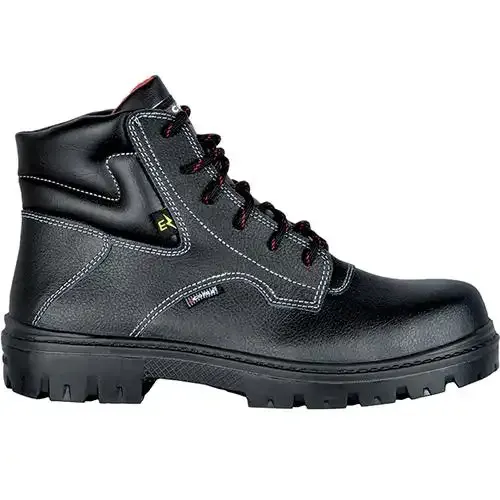
Hard-toe boots with dielectric properties
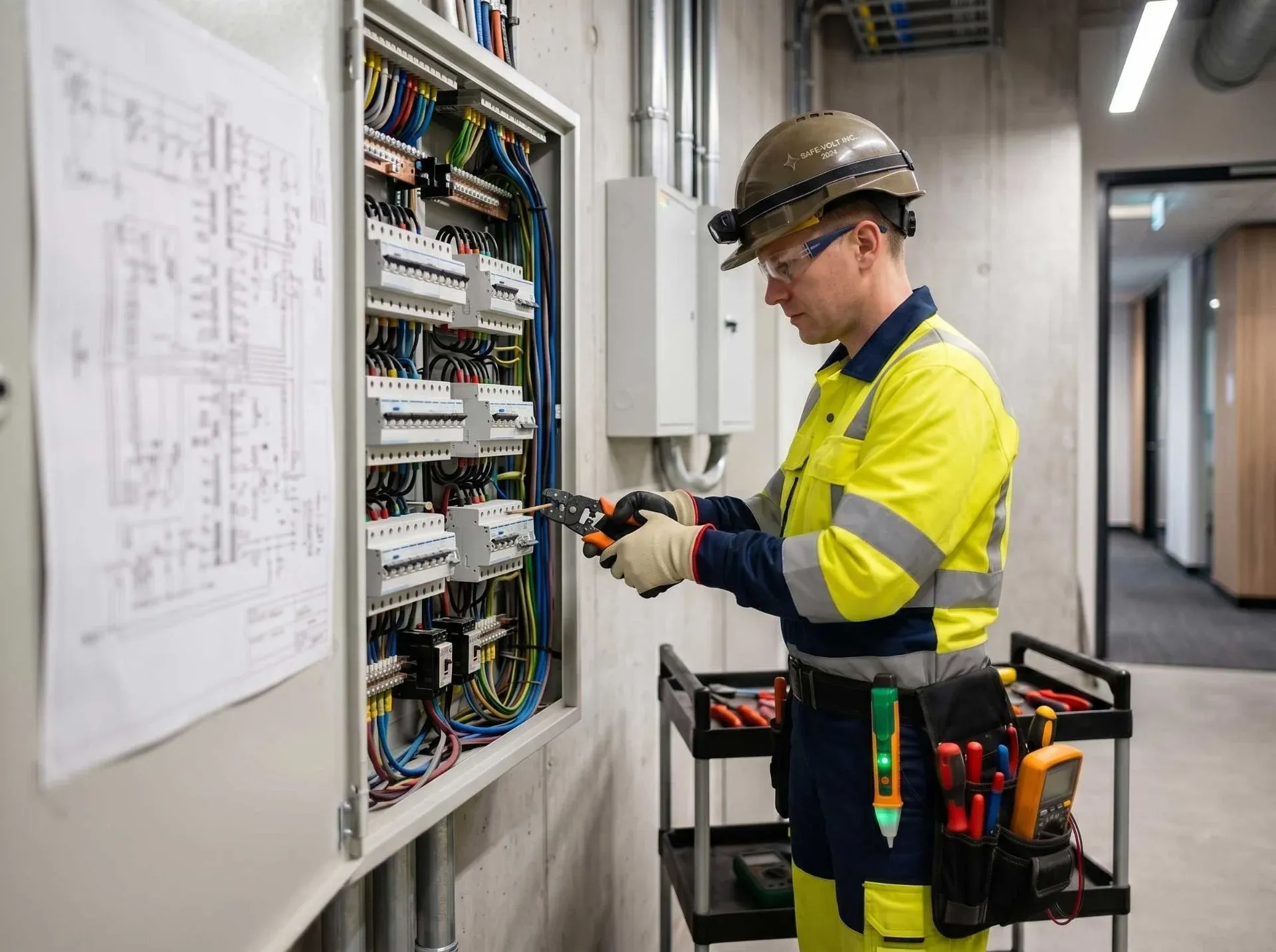
High-vis vests with arc flash protection
Class E hard hats tested for electrical applications
Every piece of workwear must adhere to OSHA mandates for electrical safety. No shortcuts.
Professionalism
Uniformed electricians convey expertise. Customers feel confident before a word is spoken. Licensed. Insured. Representing a real company.
CloseCrew extends that professionalism digitally. Appointment reminders by text. Technician bios sent before arrival. GPS tracking with estimated arrival time. Two-way SMS for confirmations and questions.
A uniformed tech with full customer context creates an experience customers remember. That combination drives five-star reviews.
Branding
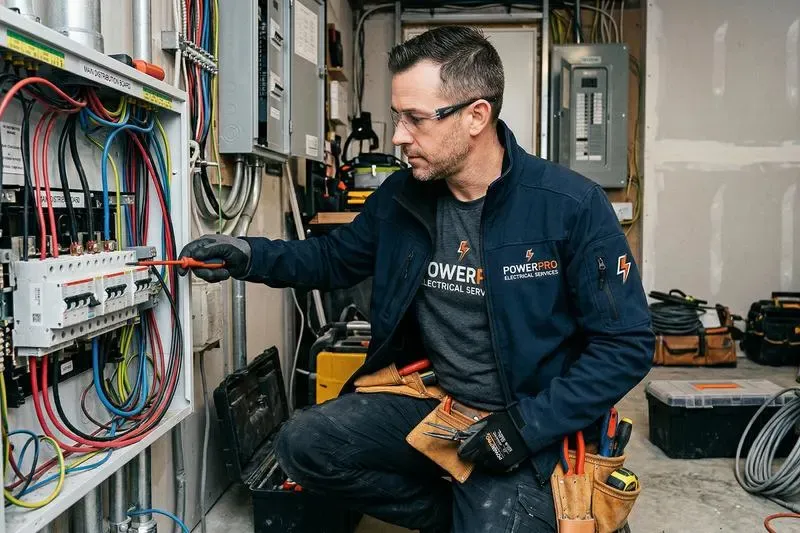
Branded uniforms create visual identity. Company logo embroidered or screen-printed. Company colors on every piece. Every tech becomes a walking billboard.
Office staff in branded polo shirts. Field techs in branded FR gear. Consistent from website to van to doorstep.
CloseCrew's marketing tools track which campaigns drive calls. Unique phone numbers per campaign. Email automation. ROI tracking. Your uniform builds the brand. CloseCrew measures its impact.
All electricians should wear clothing that is non-conductive, nonflammable, loose-fitting, and comfortable. The specific gear depends on the job type and risk level.
Work shirts and pants
Long sleeves protect arms. Easier to order in company colors with brand logos. FR shirts fit close to the body. Reduces arc flash risk. Protects from heat.
Include sweatshirts for layering when weather changes. Branded. Comfortable. Functional.
Avoid cotton. It's conductive. Performance FR fabrics are breathable, moisture-wicking, and safer.
Work pants: Durable FR material. Coveralls or work pants that protect against arc flash and heat. Multiple pockets for storing tools and equipment. Reinforced knees for comfort on various job sites.
Jackets
Flame-resistant. Branded. Attached hoods for cold and wind. Insulated liners for colder climates. Water-resistant fabric. High-visibility striping on outer layers for safety in all conditions.
Boots
Non-conductive rubber soles insulate against shock. Steel-toed for crushing protection. Puncture-proof outsoles. Must meet OSHA electrical hazard ratings.
Comfortable enough for long shifts. Techs are on their feet all day. Bad boots cause back and leg pain.
Eye protection
Wrap-around safety glasses protect from debris, sparks, and chemicals. Tinted lenses reduce glare. Prescription safety glasses available for corrective lens wearers. Required part of every electrician uniform.
Hard hats
Class E: Protects against electrocution from contact with energized equipment. Standard for most electrical work.
Class C: Creates a Faraday cage around the head. Protects when working with high-voltage equipment. Electrical current doesn't contact the body.
OSHA provides testing standards for both classes. Match the hat to the hazard level.
Hearing protection
Earplugs for basic noise barriers. Electronic earmuffs amplify voices while suppressing machinery noise. Headsets for communication in loud environments.
Long-term hearing damage is preventable. Require protection around power tools and loud equipment.
Gloves
Voltage-rated gloves with leather protectors prevent shock and electrocution. Cut-resistant for sharp materials. Chemical-resistant for caustic substances. Heat-resistant for hot work.
Stock multiple types. The right glove for each application prevents injury and extends glove lifespan.
Electrostatic discharge clothing prevents static buildup that damages electronics and sensitive equipment.
Category 1: Reduces static accumulation. Not grounded. Charge may still build on conductive elements.
Category 2: Grounded to prevent electric field effects. High level of static suppression.
Category 3: Bonds skin, garment, and ground cord. Entire system under 35 megohms. Highest protection level.
Essential for techs working with electronics, computers, and delicate circuitry.
Material
FR materials are non-negotiable. Beyond fire resistance, look for breathable, lightweight fabrics that repel water and oil. Avoid conductive materials like cotton and wool.
Nomex and Indura cotton provide proven heat protection. Synthetic FR blends offer comfort alongside safety.
Sizing
Manufacturers size differently. Order samples from multiple brands. Get tech feedback on fit. Closer-fitting FR clothing reduces arc flash risk.
Provide both men's and women's sizing. Everyone on the team needs gear that fits correctly.
Protection ratings
Check arc ratings, voltage ratings, and heat protection levels. Reinforced seams. Insulation. Dielectric properties in boots.
Comfort
Comfortable techs comply with PPE requirements consistently. Lightweight. Breathable. Freedom of movement. Adjustable features customize fit per employee.
Durability
Reinforced stress points. Double-stitching. Sturdy fabrics that endure repeated laundering. A $40 FR shirt lasting 12 months beats three $15 shirts that degrade after washing.
RedKap
RedKap has produced quality workwear since 1923. FR uniforms and high-visibility clothing built for electricians and industrial applications.
OccuNomix
OccuNomix designs PPE for hot and cold environments. High-vis clothing. Head protection. Functional and well-designed gear techs want to wear.
Bulwark
Bulwark specializes in FR safety clothing. 50+ years of experience. Comfortable, functional workwear with customer PPE resources.
Local shops
See and feel products before buying. Compare manufacturers. Build relationships with local business owners. Access bulk pricing.
Budget $600-$1,200 per tech annually. FR clothing costs more than standard workwear. Safety premiums are non-negotiable.
Start with essentials. Two FR shirts. One pair of FR pants. Jacket. Boots. Gloves. Eye protection. Build from there.
Set clear dress code policies. Document requirements per job type. Which PPE for which hazard level. When to request replacements.
Replace worn items immediately. Damaged FR clothing loses protective properties. A compromised jacket isn't just unprofessional. It's dangerous.
Order seasonally. Summer: lightweight FR shirts with moisture-wicking. Winter: insulated FR jackets with hoods. Off-season ordering often saves 15-20%.
Spring. Order summer-weight FR shirts. Short sleeves where permitted. Moisture-wicking base layers. Sun-protective hats. Lightweight safety vests.
Summer. Restock cooling accessories. Sweat-wicking headbands. Hydration reminders alongside heat-rated clothing. Check boot condition after wet spring weather.
Fall. Order insulated FR jackets before the first cold snap. Long-sleeve base layers. Branded beanies for job sites that don't require hard hats. Winter gloves with dexterity.
Winter. Evaluate all gear after peak season wear. Replace damaged items immediately. Order spring replacements before busy season starts.
Off-season ordering saves money. Winter gear discounted in spring. Summer gear discounted in fall.
Brand recognition. A uniformed tech in a branded van creates thousands of daily impressions driving through service areas.
Customer trust. Uniformed electricians close 15-20% higher average tickets. Customers choose premium options from techs who look professional.
Employee retention. Quality gear signals you value your team. Techs who feel invested in stay longer. Turnover costs $5,000-$10,000 per electrician. Quality uniforms cost $600-$1,200.
Safety savings. Proper FR clothing prevents injuries that cost $20,000-$50,000+ in workers comp claims, lost productivity, and legal fees. One prevented arc flash incident pays for years of uniforms.
Cost per impression. $1,000 annual uniform investment creates 50,000+ impressions. That's $0.02 per impression. No digital channel comes close.
For dispatch apps that route your uniformed techs efficiently, see our dispatch guide.
A branded uniform builds trust the moment a tech arrives. FR gear keeps them safe. Company colors make them recognizable. Professionalism starts at the doorstep.
But that uniformed tech only arrives when a job gets booked. And jobs get booked when someone answers the phone.
A property manager calls about a commercial panel upgrade at 6 PM. Your office closed at 5. Voicemail. They call the next electrician. That company answers. Books the job. Your uniformed, certified, fully equipped team never gets the chance.
Crew, CloseCrew's AI Employee, answers every call 24/7. The property manager reaches a live response. Crew qualifies the job. Books the appointment. Your uniformed tech arrives prepared with full customer context.
Arctic Air saw 30% more revenue in one year. Premier Heating converted 3x more leads. Air Design added 13 extra appointments in 30 days.
Your uniform builds the brand. Crew fills the schedule.