Equipment and Tools

11 HVAC Safety Hazards Every Tech Should Know (and How to Prevent Them)

HVAC work is more dangerous than it looks. In a single day a technician might handle live wiring, pressurized refrigerant, a rooftop ladder, and a 100-degree attic. Any one of those, treated carelessly, can end in an injury, a lawsuit, or a death. This guide walks through the 11 most common HVAC safety hazards and exactly how to prevent each one.

12 min readPublished June 22, 2026Updated July 14, 2026

Every trade carries risk, but HVAC packs an unusual amount of it into a normal workday. The same technician who diagnoses a control board in the morning may be soldering a line set, lifting a condenser, and balancing on an extension ladder by the afternoon. The hazards are not exotic. They are routine, which is exactly why they get underestimated.

Safety is not a binder that sits on a shelf. It is a set of habits that has to survive a packed schedule, bad weather, and the temptation to take a shortcut on the last call of the day. For a business owner, those habits also protect the company itself, because a single serious accident can mean lost workdays, higher premiums, and lasting damage to your reputation. Lining up proper HVAC business insurance is part of that protection, but prevention always beats a claim.

This guide breaks the risk into 11 clear categories, with practical precautions for each. We start with the gear and standards every technician needs, then work through the hazards themselves, and finish with the systems that keep a busy team focused instead of frazzled.

Part of the Equipment and Tools section in the HVAC Business Blog.
HVAC Safety Standards and Essential PPE

Most HVAC injuries are preventable, and the first line of defense is consistent use of personal protective equipment, not just when it's convenient. A well-equipped technician should head into the field with steel-toed boots, full-coverage work clothing, heavy-duty gloves rated for the task, safety glasses or goggles, a hard hat for overhead work, hearing protection, a face shield for grinding or brazing, and a respirator suited to the environment. OSHA's personal protective equipment standards set out what employers must provide and maintain.

PPE only works if it is in good condition and actually used, so build a quick gear check into the start of every shift. Source reliable equipment from trusted HVAC manufacturers and suppliers rather than the cheapest option, and replace anything cracked, frayed, or worn.

Beyond gear, two standards underpin everything below: every technician should be fully licensed and trained for the work they perform, and every worksite should be scanned for hazards before the job begins. Slippery surfaces, exposed wiring, and unstable footing are far easier to fix before you start than after something goes wrong. If a technician spots a gap in their own training, that is a conversation to have with a supervisor, not a risk to absorb quietly.

The safest shops are usually the calmest, and a calm shop starts with how work is scheduled.

HVAC Safety by the Numbers

Safety can feel abstract until you look at the data. The U.S. Bureau of Labor Statistics reports that heating, air conditioning, and refrigeration mechanics have one of the highest injury and illness rates of any occupation, a direct result of combining electrical work, heavy lifting, chemicals, and ladder time into a single job.

The fatal figures point in the same direction. BLS counted 75 on-the-job deaths among plumbing, heating, and air conditioning contractors in 2024, down roughly 10 percent from 83 the year before. On the residential side of that data, the leading causes were exposure to harmful substances or environments and transportation incidents, which maps almost perfectly onto the hazards below: chemicals, confined spaces, and driving.

Nonfatal injuries follow a different but equally telling pattern. The most common are sprains, strains, and tears, followed by fractures, cuts, and burns. These are the everyday injuries that quietly cost technicians workdays, and most are preventable with better lifting habits, consistent PPE, and a schedule that does not force anyone to rush.

The 11 Most Common HVAC Safety Hazards

1

Electrical Hazards

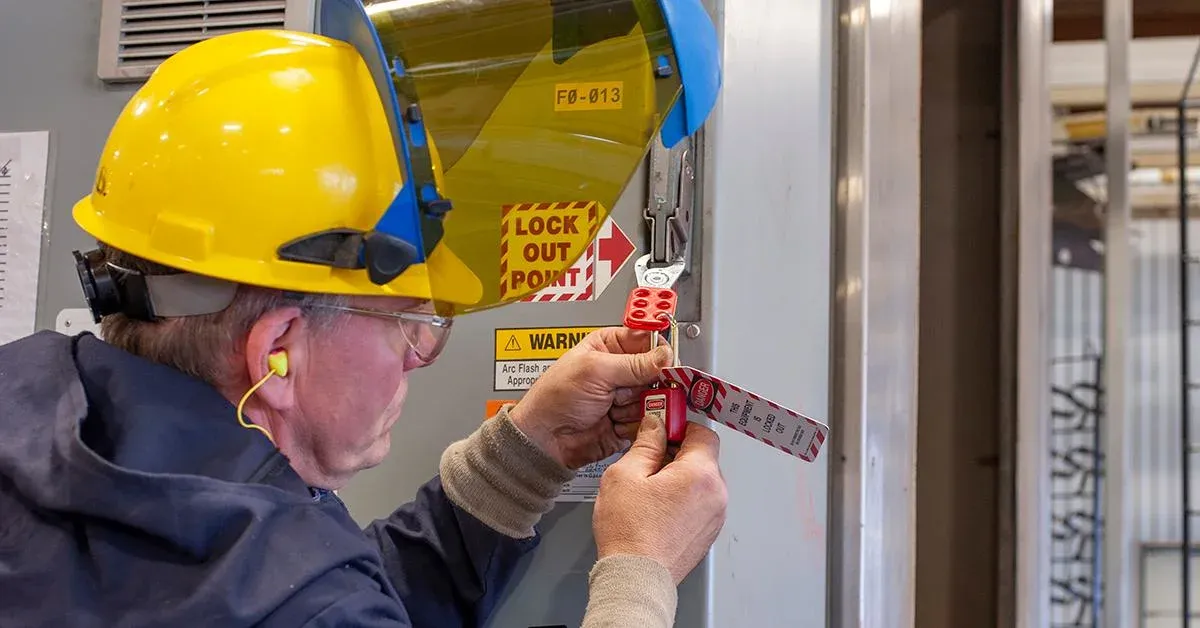
HVAC systems run on electricity, and live circuits are the most immediate threat a technician faces. Before any inspection, test, or repair, de-energize the equipment completely.

  • Shut off power at the corresponding breaker, not just the unit switch.

  • Apply lockout/tagout procedures to prevent anyone from restoring power while you work.

  • Verify the circuit is dead with a properly rated meter before touching anything.

Misreading a wiring diagram is a hazard in itself, so make sure techs can confidently interpret schematics and component markings. A quick reference to common HVAC symbols and their meanings helps new technicians avoid dangerous mistakes at the panel.

Electrical Hazards.webp
2

Refrigerant and Chemical Exposure

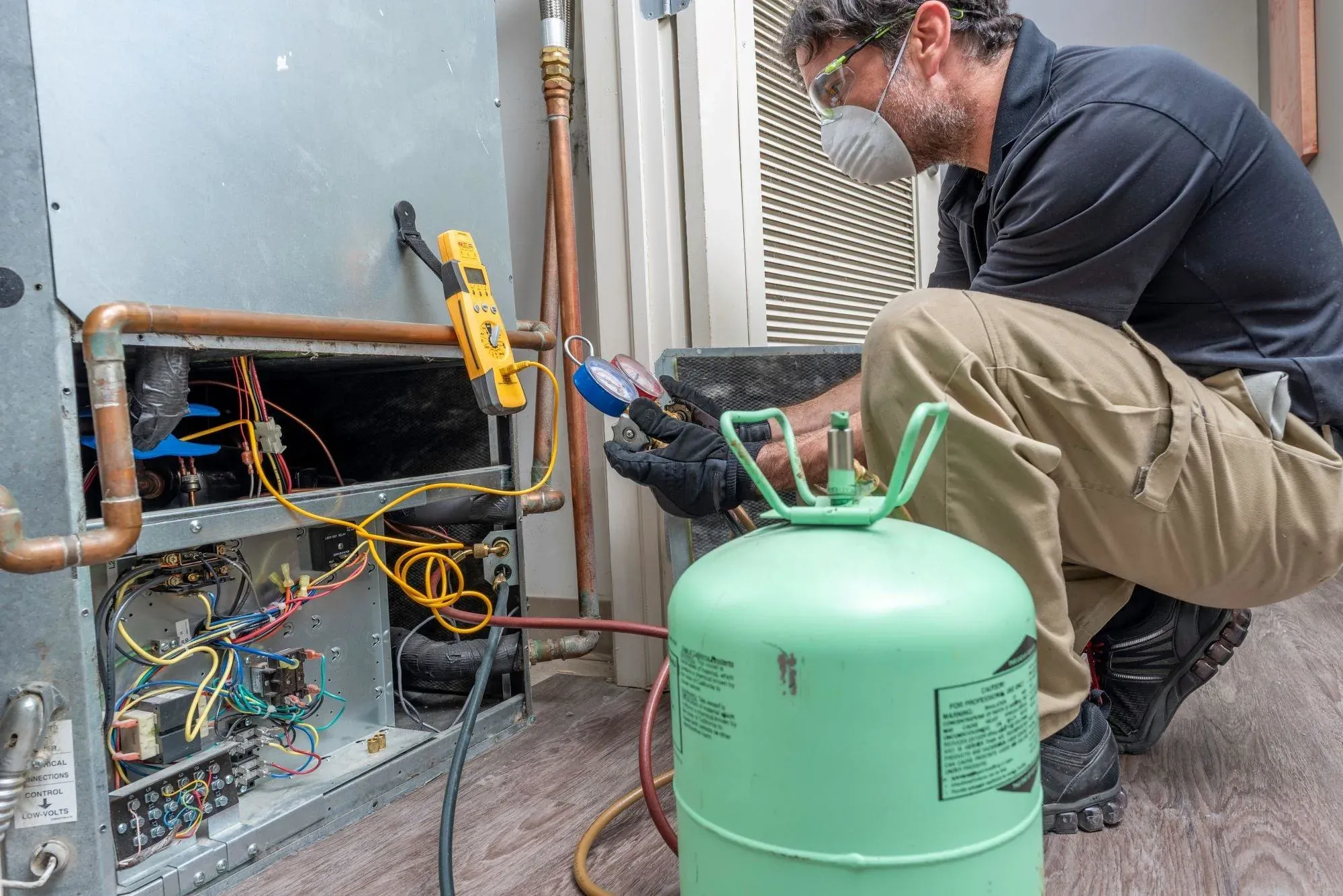
Technicians handle refrigerants, solvents, cleaners, and gases that can burn skin, damage eyes, and harm the lungs. Many refrigerants are stable under normal conditions but become far more toxic when heated, degrading air quality and creating a real health risk in enclosed spaces.

Always wear chemical-rated gloves, eye protection, and appropriate footwear when handling these substances, work in ventilated areas, and follow the safety data sheet for every product you carry. Never vent refrigerant intentionally, for both your health and compliance with EPA Section 608 rules.

Refrigerant and Chemical Exposure.webp
3

Pressurized Gas Cylinders

The cylinders riding in the back of a service truck deserve their own attention. Under summer heat they can become a fire or explosion risk, and an unsecured cylinder that tips and snaps a valve can launch like a projectile.

  • Store cylinders upright and strap or chain them into a proper cart.

  • Keep valves fully closed with caps or guards in place when not in use.

  • Store them in a ventilated spot away from heat and electrical sources.

  • Move them with a cart, never by rolling or dragging.

4

Respiratory Hazards

The most common long-term health risks in HVAC are respiratory. Dirty filters and coils harbor mold, bacteria, and fungus, while a cracked heat exchanger or faulty pilot can leak carbon monoxide. Older buildings may also expose techs to asbestos and fine dust.

Wear an industrial-grade mask in dusty or contaminated conditions, and step up to a cartridge respirator or supplied-air unit for confined or heavily contaminated spaces. Whenever possible, ventilate the area and work outdoors. OSHA's respiratory protection standard covers when respirators are required, as well as fit testing and training.

5

Ladder Falls and Working at Height

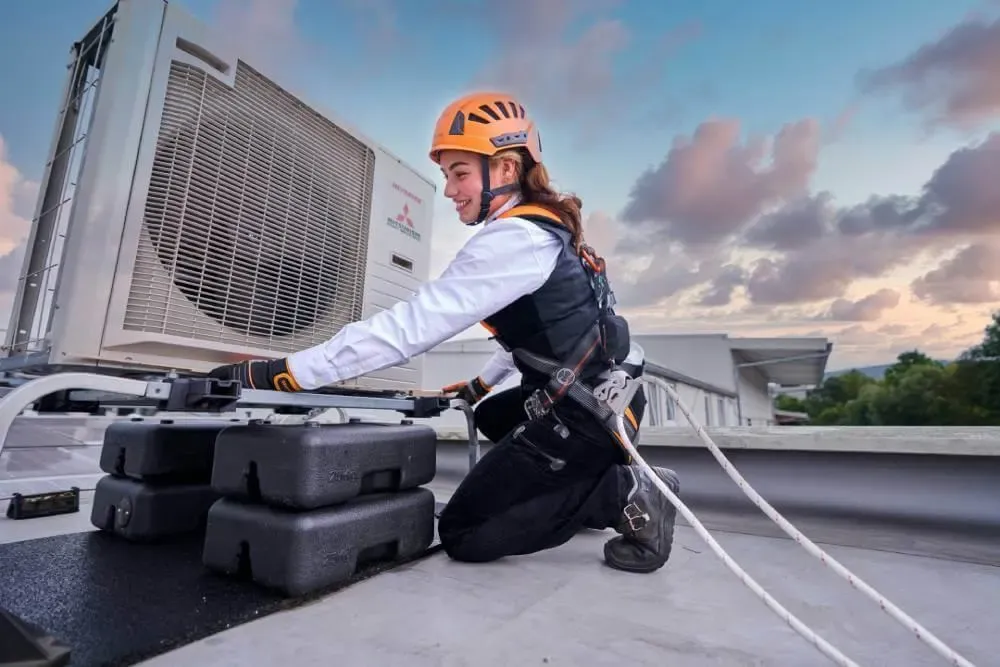
Falls are among the deadliest hazards on any job site. Each year in the U.S., ladder-related falls kill more than 100 workers and injure thousands, according to CDC and NIOSH data, and rooftop work raises the stakes further.

  • Keep three points of contact on the ladder at all times.

  • Set the base about one quarter of the working height away from the wall.

  • Extend the ladder at least three feet above the landing point.

  • Confirm all locks are engaged before climbing, and never overreach.

On rooftops, respect edge protection and tie off where required.

Working at Heights.webp
6

Burns, Hot Surfaces, and Brazing Fires

Brazing, soldering, and contact with hot components cause a steady stream of preventable burns, and an open flame near insulation or stored refrigerant can start a fire. Wear a face shield and flame-resistant gloves when brazing, clear flammable material from your work zone, keep a rated fire extinguisher within reach, and let components cool before handling them.

7

Confined and Poorly Ventilated Spaces

Attics, crawlspaces, and tight mechanical rooms combine heat, dust, limited exits, and the risk of oxygen displacement or gas buildup. Follow OSHA's confined spaces requirements: test the air where appropriate, ensure ventilation, never work alone in a genuinely confined space without a plan, and keep a way to call for help. Heat in an attic can climb dangerously fast, so limit time inside and hydrate.

8

Lifting and Musculoskeletal Injuries

Compressors, condensers, and air handlers are heavy and awkward, and back and shoulder strains are some of the most common injuries that quietly sideline technicians. Use proper lifting technique, lift with the legs, and reach for a dolly, hand truck, or a second set of hands rather than muscling a unit alone. Repetitive strain adds up, so rotate tasks where you can. Sprains, strains, and tears are the single most common injuries BLS records among HVAC workers, and the damage can compound into chronic back and shoulder problems over a long career.

9

Extreme Heat and Cold

HVAC techs work outdoors and in unconditioned spaces year-round, which exposes them to heat exhaustion, heat stroke, dehydration, hypothermia, and frostbite. The federal heat.gov resources and the OSHA-NIOSH Heat Safety app help crews plan around dangerous conditions. Dress for the conditions, drink water consistently in the heat, take scheduled breaks, and know the early warning signs in yourself and your coworkers. A tech who ignores their own limits cannot safely serve the customer. Heat is not a minor risk: federal data attribute close to 1,000 U.S. worker deaths to environmental heat between 1992 and 2022, averaging about 34 a year, according to EPA and BLS figures. The summer attics and rooftops HVAC techs work in are exactly the high-exposure settings that drive those numbers.

10

Driving and Road Safety

You can do everything else right and still get hurt before you reach the job. Driving is the most routine part of the day and one of the most dangerous. The fix is mostly about time and headspace: schedule enough time between calls so no one is rushing to make up minutes, keep the vehicle maintained, secure all cargo, and flag an unrealistic route to the office rather than driving aggressively to save time. A rushed schedule is a road hazard. For HVAC specifically this is not a side issue: transportation incidents rank among the top causes of death in the trade, roughly on par with chemical and environmental exposure.

Driving and Road Safety.webp
11

Inadequate Tools, PPE, and Training

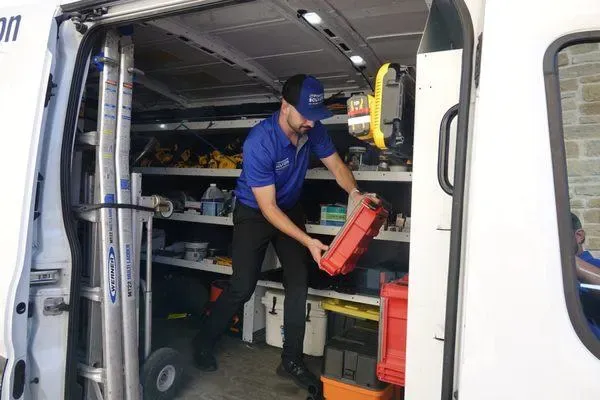
The final hazard ties the others together. Missing or faulty tools push technicians to improvise mid-job, worn-out PPE offers a false sense of safety, and a poorly trained tech endangers both themselves and the customer who trusted them inside the home. Standardize what every truck carries, keep an organized inventory of essential HVAC tools, and treat safety training as ongoing rather than a one-time orientation. Skilled technicians are expensive to hire and replace (here's what HVAC techs actually cost in 2026), which makes keeping the ones you have safe a business priority, not just a moral one.

Knowing the hazards is one thing. Building a workday where techs have the time and information to handle them safely is another, and that comes down to your systems.

How the Right Systems Keep HVAC Techs Safe

Most safety guides stop at PPE and procedures, but the conditions that cause accidents are often created back at the office. When the phone goes unanswered, calls pile up, dispatch scrambles, and technicians get squeezed into a schedule that forces them to rush. Rushing is where shortcuts and injuries happen.

This is where CloseCrew helps in a way that has nothing to do with selling more and everything to do with running calmer. Larry, CloseCrew's AI employee, answers every call 24/7, qualifies the caller, and books the job directly into the calendar in the CRM or field service platform you already use, with 200-plus integrations. Instead of an overwhelmed front desk cramming appointments together, the schedule fills in a way that leaves realistic time between stops, which is the single most effective driving-safety measure on this list.

Because Larry captures the full conversation and keeps every customer's history in one place, your technician can arrive already knowing what they're walking into, including any hazards or access notes logged on a previous visit. A tech who knows the panel is in a flooded basement or that there's an aggressive dog on site can plan for it rather than be surprised by it.

The result is a quieter operation: office staff who aren't buried in phone chaos, dispatchers who aren't improvising, and field techs who have the time and context to follow the procedures they were trained on. Safety and a well-run schedule are the same problem solved from two directions.

Build Safety Into Your Daily Workflow

HVAC safety is not a poster in the breakroom. It is PPE worn on every call, equipment de-energized before every repair, ladders set at the right angle, and a schedule that gives technicians room to do the job right. Run through these 11 hazards with your team, turn the precautions into habits, and revisit them often, because the risks do not change but complacency does.

Do that, back it with proper training and insurance, and pair it with systems that keep the workday calm rather than chaotic, and you protect the two things your business depends on most: your people and your reputation.

Still mapping out how a smoother intake and scheduling process could take the pressure off your team? Our crew can walk you through it.

Frequently asked questions

What is the most dangerous part of HVAC work?

There is no single answer, but electrical contact, falls from ladders and rooftops, and exposure to chemicals and extreme heat cause the most serious injuries and deaths. Day to day, lifting and musculoskeletal injuries are the most common, while the rarer electrical and fall incidents are the most likely to be fatal.

At a minimum: steel-toed boots, full-coverage clothing, task-rated gloves, safety glasses or goggles, hearing protection, and a respirator matched to the environment. Add a hard hat for overhead work and a face shield for brazing or grinding. PPE only protects you when it is in good condition and worn every time, not just on the jobs that feel risky.

Yes. Anyone who services equipment in a way that could release refrigerant must hold EPA Section 608 certification under the Clean Air Act. Beyond staying compliant, the training covers safe handling of chemicals that can cause frostbite, burns, and oxygen displacement.

Treat it as ongoing rather than a one-time orientation. Equipment, refrigerants, and job sites change, and complacency grows with routine. Short refreshers, regular toolbox talks, and a quick pre-job hazard scan keep good habits sharp.

More than most owners expect. Overbooked calendars and missed calls create the pressure that pushes techs to speed between jobs and cut corners. A realistic schedule with buffer time between stops is one of the most effective and least discussed safety measures a shop can adopt.

Related tools

Run the numbers before you update your price book or field software.

Free HVAC Templates

Invoices, estimates, maintenance agreements, and flat-rate pricing sheets for heating and cooling contractors.

Browse HVAC templates

Contractor Blog

Cross-trade guides on hiring, marketing, and operations for every home services business.

View all guides

Meet Larry

AI receptionist built for HVAC — answers calls, books jobs, and follows up on leads 24/7.

See Larry for HVAC

Related articles

Equipment and Tools

10 Best HVAC Multimeters for Techs in 2026

In this guide, you'll find the best HVAC multimeters for 2026, compare their features, pricing, and pros and cons, and learn which models are best for beginners, professionals, and everyday HVAC troubleshooting.

Read guide

Never miss an HVAC service call again. Let Larry, your AI receptionist, book jobs while your crew is in the field.

We will run your numbers on the call and tell you if the maths does not work for a shop your size. That happens, and it is a cheaper conversation than finding out three months in.

Get a demo