Equipment and Tools

47 Essential HVAC Tools Every Service Tech Needs in 2026

A complete 2026 HVAC tools checklist covering core hand tools, safety gear, advanced diagnostic equipment, field calculator apps, and software tools for HVAC service businesses.

15 min readPublished January 1, 2026Updated July 14, 2026

This guide covers 50 of the best HVAC tools that service technicians need to deliver top-quality work to customers. Our comprehensive list of HVAC tools helps solve even the most complex heating and cooling problems efficiently while giving your customers a professional service experience.

The list is organized into two main categories:

1. Manual and calculation tools that HVAC service techs use to do their work:

2. Software tools to run an HVAC service business, including marketing to generate more leads, scheduling, dispatching, and tools to help technicians in the field work more efficiently and profitably.

The manual tools section focuses on the hand tools and calculators every HVAC tech needs on the job. The software tools section covers the platform CloseCrew has designed to help business owners manage and grow their HVAC businesses. As a tech, ask your manager about software tools that can help you work more efficiently.

We'll start with the manual HVAC tools list, covering gear that service techs need for the most professional customer experience.

Note: Need help managing and growing your HVAC business? CloseCrew offers AI-powered tools to streamline call booking, scheduling, marketing, sales, and more. Click here to watch a demo.

Part of the Equipment and Tools section in the HVAC Business Blog.
  • Essential HVAC tools (e.g., pliers, nut drivers, gauges)

  • HVAC tools for safety (e.g., gloves, safety goggles)

  • Advanced HVAC and air conditioning tools

  • HVAC calculator apps for techs in the field

Essential HVAC Tools

2

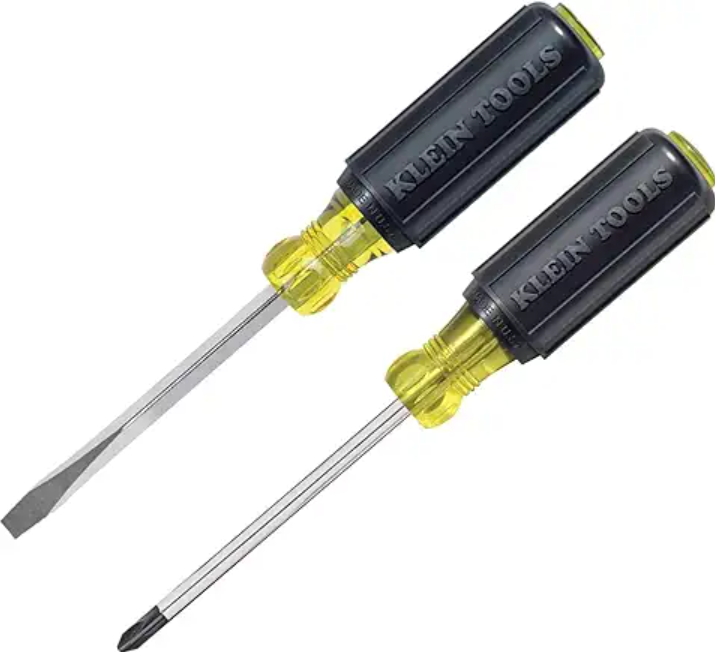
Screwdrivers and Nut Drivers

$10–$70

Be sure you have a variety of screwdrivers in multiple sizes, including ones with extensions for maneuvering small screws and working in confined spaces. A complete set of nut drivers is equally important for your tool bag.

44-scheduling-dispatching.png
3

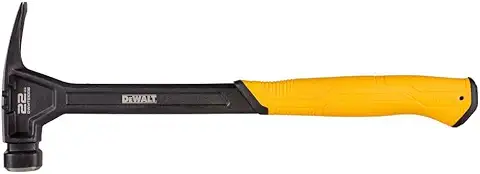
Hammer

$10–$70

Naturally, every HVAC tech requires a standard-size hammer for a range of uses on the job. We recommend a lightweight option with a comfortable grip and fiberglass construction for both convenience and durability.

29-refrigerant-scale.png
4

Wrenches

$10–$50

Any complete HVAC tools list features a broad range of wrenches, from fixed and adjustable to crescent and pipe wrenches. Stock small, medium, and large wrenches in your HVAC toolbox to handle any situation, along with pipe wrenches for loosening pipe connections.

5

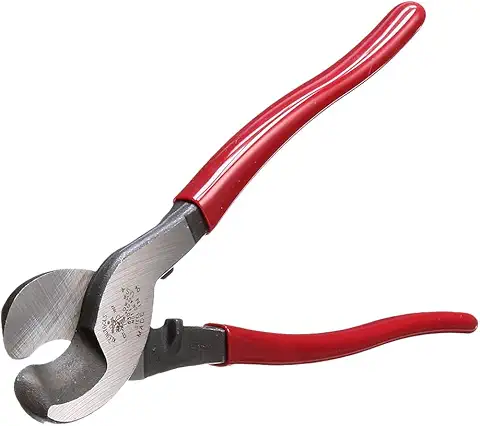
Cutters

$10–$40

Metal and tubing cutters (like tin snips) are essential HVAC tools for cutting through materials on the job. We recommend starting with smaller cutters, such as quarter-inch or half-inch sizes, early in your career, then expanding your set as you take on more complex projects.

Important: You can purchase a wire cutter as a combo tool with a wire stripper (e.g., Klein Tools).

40-hvac-marketing.png
6

Drills

$30–$200

A cordless, battery-powered drill is another must-have that gives your service techs added versatility. Keep a spare charging battery in your toolbox so you never run out of drill power while on a job site. We recommend a cordless drill with at least 24 volts and an assortment of bits.

7

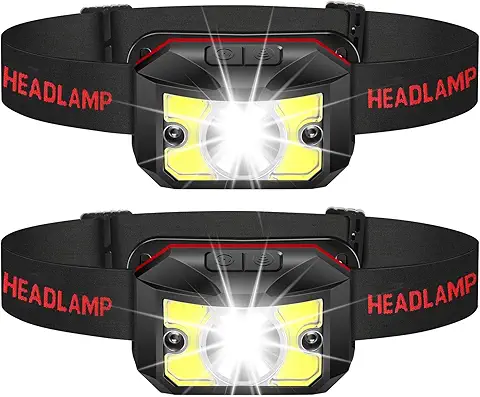
Flashlight/Headlamp

$10–$100

HVAC service techs consistently need a dependable flashlight to properly assess heating and air conditioning equipment. Headlamps are especially handy for keeping hands free when working in dark attics, crawl spaces, or mechanical rooms.

19-coil-fin-straightener.png
8

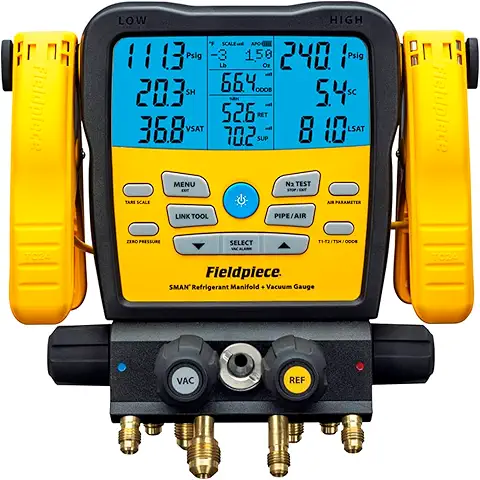
Gauges

$40–$250

When it comes to air conditioning tools, refrigeration gauges or manifold gauges are absolute must-haves for service technicians. These gauges measure the pressure of various types of refrigerants and help determine whether there's a leak in the system. You may need multiple sets as your career progresses and your skills advance.

Fieldpiece is a widely trusted brand for gauges among HVAC professionals.

42-voice-ai.png
9

Extension Cords

$12–$50

Extension cords are tool kit basics for HVAC techs who need to plug in electric tools while working on site. Look for a long, heavy-duty cord that isn't too bulky to transport. Fifty feet is an ideal length for most residential jobs.

10

Tape Measure

$10–$40

A tape measure is an essential HVAC technician tool. You'll use it daily for measuring walls, pipes, hoses, and everything in between, so invest in a good quality 25-foot tape measure. A magnetic tip is a useful feature for hands-free use on metal surfaces.

HVAC Tools for Safety

Protecting your service techs' health and safety on the job, along with your HVAC customers, is always a top priority. Here are specific safety items to add to your complete HVAC tools list.

12

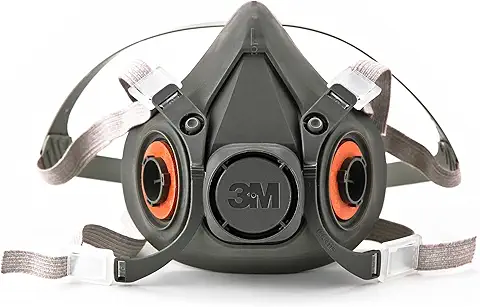
Masks

$10–$30

Wearing masks while performing HVAC work provides personal protection for your techs and customers. Make sure your techs keep a supply of masks in their trucks and use them on every job. Respirators are recommended when working with insulation fibers or chemical solvents.

07-flashlight-headlamp.png
13

Gloves

$15–$30

Invest in a pair of durable, flexible gloves that are thick enough for protection but still allow enough dexterity to handle screws and smaller tools. HVAC service techs wear gloves every day, making them essential Personal Protective Equipment on every job.

14

Protective Shoes

$70–$150

Working on ladders and inside other people's homes requires your service techs to handle various types of terrain safely. Equip them with heavy-duty steel-toe work boots that provide slip resistance and protect their feet from dropped equipment.

15

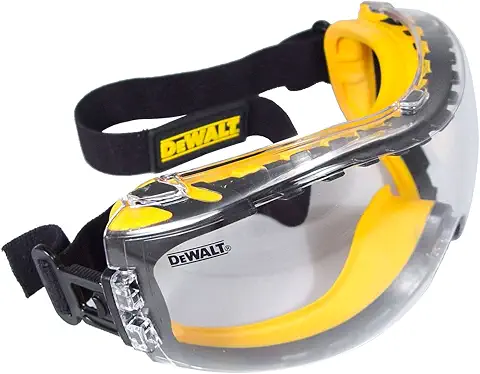
Goggles

$15–$20

Safety goggles protect your eyes from metal shavings and dust debris. Some safety glasses with magnification features also help techs see smaller parts for improved accuracy and efficiency.

08-gauges.png
16

Ear Muffs/Plugs

$15–$30

Operating power tools in close quarters puts a significant strain on your hearing. Protect your ears with industrial-strength ear muffs or plugs rated for construction environments.

Advanced HVAC & Air Conditioning Tools

These HVAC tools fall into the more advanced and specialized category but are important nonetheless. HVAC companies typically supply these specialty tools to help keep their customers' equipment in proper working order.

17

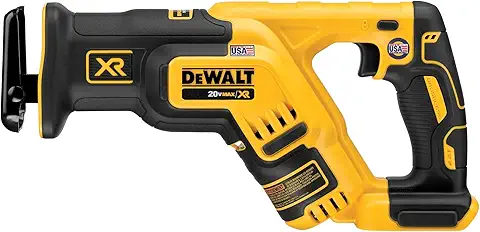
Saw

$30–$130

HVAC contractors consider a reciprocating saw blade, like the Sawzall, to be the go-to option for cutting through materials on most HVAC jobs. Durability is key, and the Sawzall has proven itself over time. Replace blades regularly to avoid working with dull edges.

15-goggles.png
18

Thermometers

$20–$70

Temperature control is at the core of the HVAC industry. Invest in a digital thermometer that's portable, accurate, and long-lasting, and that meets your state's regulations for professional service. Many experienced techs carry multiple thermometers for different applications.

19

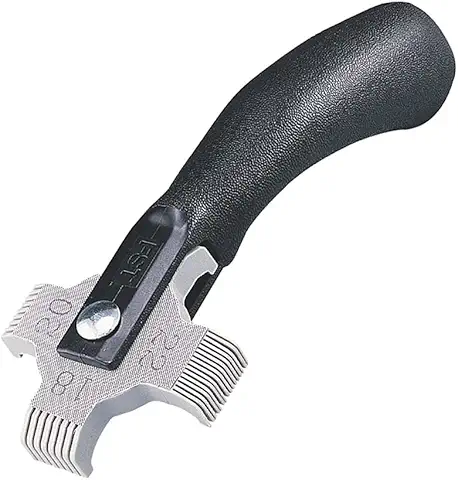
Coil Fin Straightener

$10–$20

A coil fin straightener clears debris when air conditioner condenser coils get dirty, clogged, or bent. Service techs use this air conditioning tool to straighten and clean coils, improving heat exchange and airflow. Inexpensive and extremely useful.

Where to buy

17-saw.png
20

Core Removal Tool

$20–$80

HVAC tools like a core removal tool are invaluable in many situations. When dealing with damaged or broken valve cores, this tool helps your techs with quick removal and replacement, especially during evacuation and refrigerant recovery work.

Where to buy

Where to buy: Amazon (Wadeo)

22

Multimeter

$20–$80

This tool doubles as a safety device. When working near electrical hazards and live wires, testing for safety is critical. Keep a multimeter in your toolbox to check for the presence of electricity and to measure voltage, current, resistance, and capacitance. In 2026, True RMS multimeters are essential due to the widespread use of variable-speed motors and electronic control boards.

23

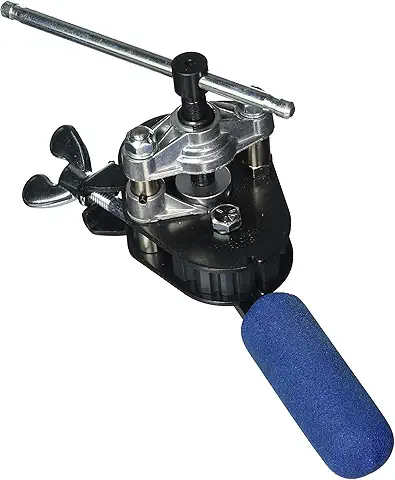
Flaring Tool

$60–$200

Flaring tools allow HVAC techs to create a mechanical joint that connects or seals copper tubing. Often used alongside swaging tools, they let technicians create flare connections and join tubes to one another or to fittings.

Yellow Jacket is a popular brand for flaring and swaging tools.

03-hammer.png
24

Thermal Imaging Camera

$250–$500

HVAC technicians frequently need to diagnose complex issues based on limited information from customers. Thermal imaging cameras enable techs to accurately pinpoint root causes quickly by revealing temperature variations invisible to the naked eye. In 2026, compact models that integrate with smartphones offer powerful diagnostics in a portable format and help build customer trust by visually demonstrating system issues.

25

Flushing Solvent

$25–$40

As refrigeration lines age, obstructions within the line become more common. Having a flushing solvent on hand helps quickly clear contaminants and keeps your customers' HVAC equipment operating as efficiently as possible.

26

Caulking Gun

A dripless caulking gun lets you seal air ducts and fill holes where needed, ensuring proper airflow and air quality. Keep it in good working order to avoid messes on the job.

Plan to spend: $10–$35

29

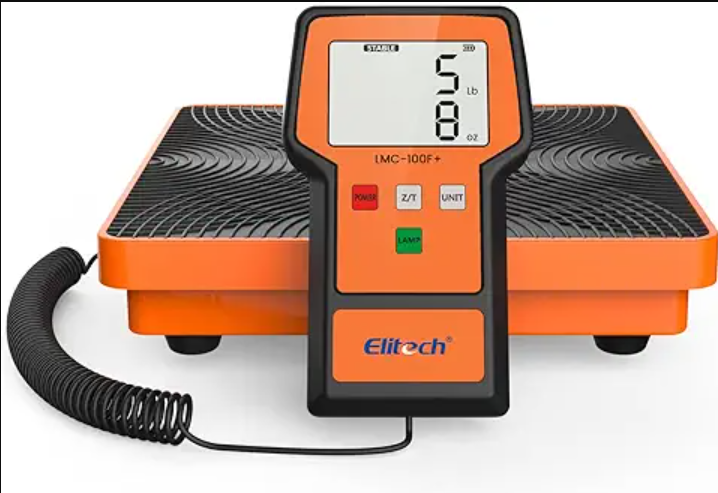
Refrigerant Scale

$80–$200

A refrigerant scale measures the weight of refrigerant in a cylinder. This helps HVAC techs accurately weigh refrigerant during recovery, recycling, and charging operations on air conditioning units.

Where to buy

02-screwdrivers-and-nut-drivers.png
30

Nitrogen Regulator

$40–$100

A nitrogen regulator serves as a pressure control valve, reducing highly pressurized gas or liquid into a more manageable form. Without one, high pressure causes the gas or liquid to be released all at once. Many techs in 2026 also use nitrogen purge kits to prevent oxidation during brazing.

Where to buy

31

Leak Detector

$25–$250

HVAC service techs use refrigerant leak detectors to locate the source of a refrigerant leak. In 2026, infrared and ultrasonic models offer greater sensitivity and fewer false positives compared to older heated-diode detectors. With tighter environmental regulations, reliable leak detection has become more critical than ever.

34

Hand Seamers and Snips

$25–$60

Hand seamers give your techs the ability to bend or flatten sheet metal by hand. Aviation snips allow them to easily cut sheet metal to size. Insulated grips make both tasks easier and safer.

HVAC Calculator Apps for Techs in the Field

35

HVACR Fault Finder App

The HVACR Fault Finder troubleshooting app makes it easy for techs to problem-solve compressor and electronic system failures. You can enter a flashing alert code or use the tap feature to identify the code from the electronic module. The app provides access to interactive troubleshooting guides, product manuals, and videos to help discover and resolve the problem.

36

HVAC Load Calculator

An easy-to-use online calculator that quickly gauges the BTU range for any particular dwelling. It factors in interior square footage, number of windows, and even regional climate. This makes it simple to determine the right HVAC system for your customer, so you can present them with the best solutions for their situation. Multiple free calculators are available online, including from ACCA and Energy Star.

37

Refrigerant Charge Calculator

Helps techs calculate the correct refrigerant charge based on system specifications, line set length, and ambient conditions. Available as standalone apps and built into many digital manifold gauge sets.

38

SEER Energy Savings Calculator

Show customers how much they can save on energy bills by upgrading to a more efficient HVAC system. A powerful sales tool that helps techs present upgrade options with real dollar figures, making it easier for customers to see the value of a new installation.

39

HVAC Duct Calculator

Give your techs a free, easy-to-use tool to calculate duct size by airflow or by dimensions. A digital duct calculator serves as a modern alternative to the traditional manual Ductulator, allowing you to input multiple parameters to find sizes that fall within friction loss bounds while out on a job.

CloseCrew's Software Tools to Run Your HVAC Service Business

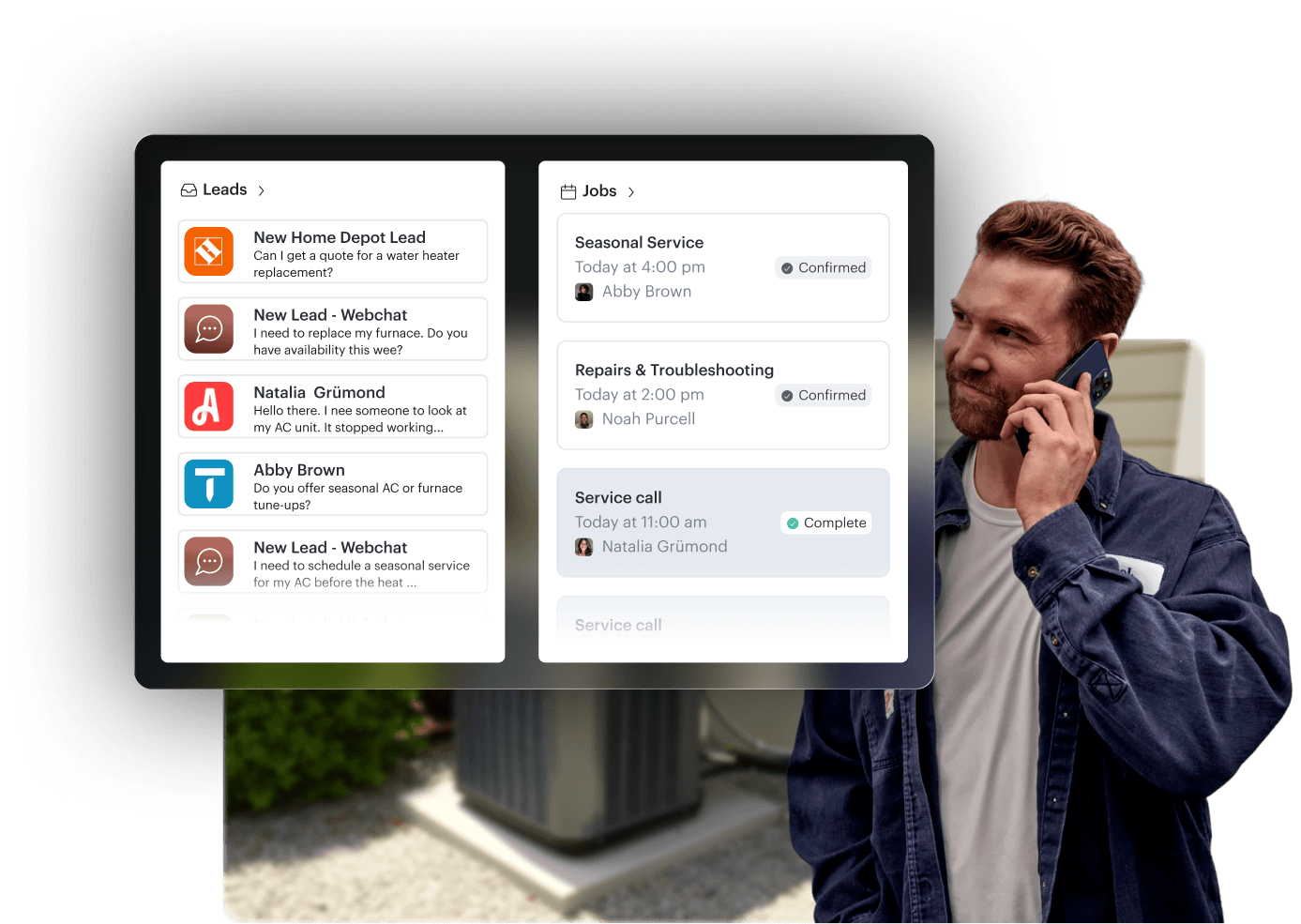
Having the right hand tools is essential for every HVAC tech, but modern HVAC businesses also need software to manage operations, capture leads, and deliver a professional customer experience. CloseCrew provides an AI-powered platform built specifically for HVAC, plumbing, and electrical businesses.

Below, we introduce CloseCrew's HVAC software tools:

40

HVAC Marketing and Re-engagement Tools

CloseCrew's AI marketing tools mine your customer database to find revenue opportunities: maintenance renewals, unsold estimate follow-ups, seasonal campaigns, and lapsed customer re-engagement. All automated, so your calendar stays full year-round.

23-flaring-tool.png
41

Automated Review Requests

CloseCrew's reputation management tools automatically send personalized review requests after every completed job. CloseCrew also monitors and responds to incoming reviews so your online reputation grows on autopilot.

42

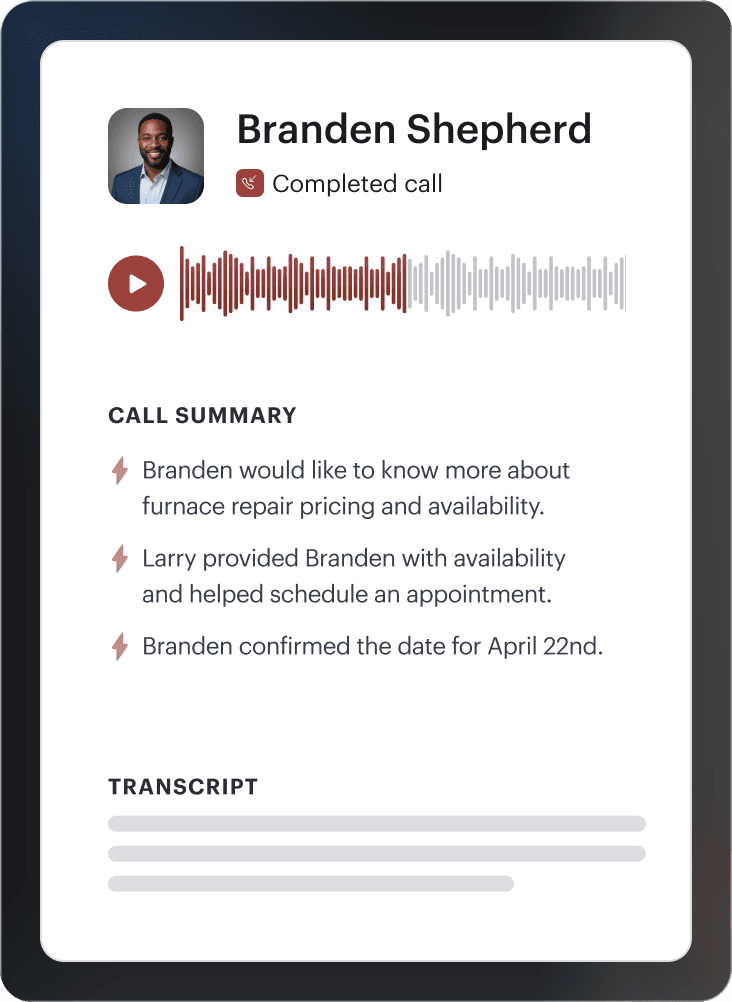
AI Call Answering (Voice AI)

CloseCrew's AI Employee, Larry, answers every phone call 24/7, qualifies each lead, and books jobs directly into your scheduling system. No voicemails, no missed leads, no costly after-hours answering services. HVAC businesses report booking 57 additional appointments in 30 days and saving $40,000 annually with Voice AI.

01-website-traffic-closecrew.png
43

Unified Communications Inbox

CloseCrew brings calls, texts, webchats, third-party leads, and email into a single centralized inbox accessible to Larry and your entire team. Every lead from every channel is visible in one place, eliminating system switching.

44

HVAC Scheduling and Dispatching

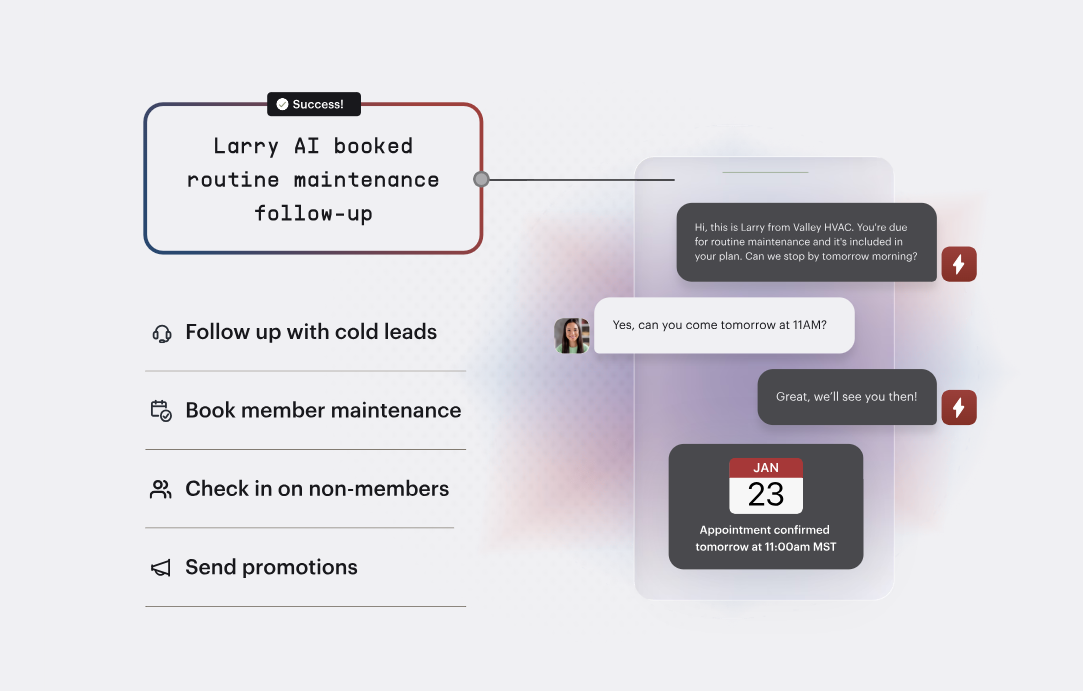
Larry knows your routes and technician skillsets, suggesting appointments and techs that are available and nearby. Jobs are booked directly into your FSM calendar with optimized scheduling, reducing drive time and increasing billable hours.

05-cutters.png
45

No-Show Reduction with Text Confirmations

Automatically remind customers about upcoming appointments through AI text messages, confirming the job and reducing no-shows so your schedule stays full and your techs stay productive.

46

Customer Data and Payment Centralization

Keep track of all customer data, including payment history, contact information, and service records, in one unified platform so your employees and Larry always stay up-to-date and your invoices get paid.

47

200+ Integrations with Your Existing Tools

CloseCrew integrates with 200+ tools your front and back office already use, including ServiceTitan, Housecall Pro, Jobber, QuickBooks, and other field service management platforms. No disruption to your day-to-day operations. White-glove onboarding gets you up and running in 48 hours.

CloseCrew: Manage and Grow Every Aspect of Your HVAC Business

Having the right toolkit is essential to successfully growing your HVAC business. Manual and calculation tools are clearly a must for every HVAC tech, but adding CloseCrew's AI-powered platform will also help you organize and succeed in:

  • Answering every call 24/7

  • Scheduling and dispatching

  • Marketing and lead generation

  • Customer communications

  • Review management

  • Membership management

  • And more

To find out how CloseCrew can help you manage your HVAC business, watch a free demo here.

Trusted by 9,000+ home service businesses. White-glove onboarding in 48 hours. 200+ integrations with the tools your team already uses.

Related tools

Run the numbers before you update your price book or field software.

Free HVAC Templates

Invoices, estimates, maintenance agreements, and flat-rate pricing sheets for heating and cooling contractors.

Browse HVAC templates

Contractor Blog

Cross-trade guides on hiring, marketing, and operations for every home services business.

View all guides

Meet Larry

AI receptionist built for HVAC — answers calls, books jobs, and follows up on leads 24/7.

See Larry for HVAC

Related articles

equipment-and-tools

8 Best HVAC Website Templates for 2026

Building an HVAC website from scratch costs thousands and takes weeks. Templates cost $15-$120 and launch in days. This guide covers what every HVAC template needs, 8 options worth considering, and the setup checklist that turns a template into a lead-generating machine.

Read guide

Never miss an HVAC service call again. Let Larry, your AI receptionist, book jobs while your crew is in the field.