Equipment and Tools

7 Types of Water Heaters Every Plumber Should Know How to Sell

Customers have more water heater options than ever. This guide breaks down 7 common types and helps plumbers understand where each one fits.

9 min readPublished August 25, 2026

A customer doesn't actually want a water heater. They want reliable hot water, a manageable bill, and someone who can explain the difference between seven confusing options in under five minutes without talking down to them. That explanation is where you either win the job or lose it to whoever quotes faster and says less.

This guide runs through all seven common water heater types from a plumber's perspective: what each one actually is, what tends to sell it, what to flag before you quote it, and where the installation risk or callback potential actually lies. Use it to sharpen how you present options on-site, not as a consumer buying guide.

Part of the Equipment and Tools section in the Plumbing Business Blog.
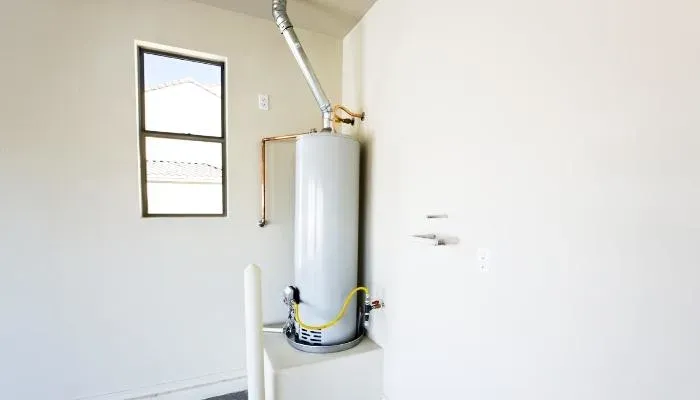
1. Tank Water Heater

Tank Water Heater.webp

What it is: an insulated tank, typically 30 to 80 gallons, holding a standing reserve of hot water heated by an electric, gas, propane, or occasionally oil-fired element. Cold water enters, gets heated to a set point, and the unit cycles back on as the tank naturally cools or hot water gets drawn down.

What sells it: price. This is still the default recommendation for most straightforward like-for-like replacements, and it's the easiest quote to justify to a budget-conscious customer who isn't interested in a bigger conversation.

What to flag before you quote it: confirm the existing venting, gas line sizing, and electrical capacity are actually adequate for the replacement unit, especially on an older home where code has shifted since the original install. Tank size matters more than most customers realize, undersizing for a growing household is one of the more common, entirely avoidable callback triggers in this category.

Where the upsell lives: a glass-lined tank and brass drain valve, both modest cost additions that meaningfully extend service life and reduce your own callback risk down the line.

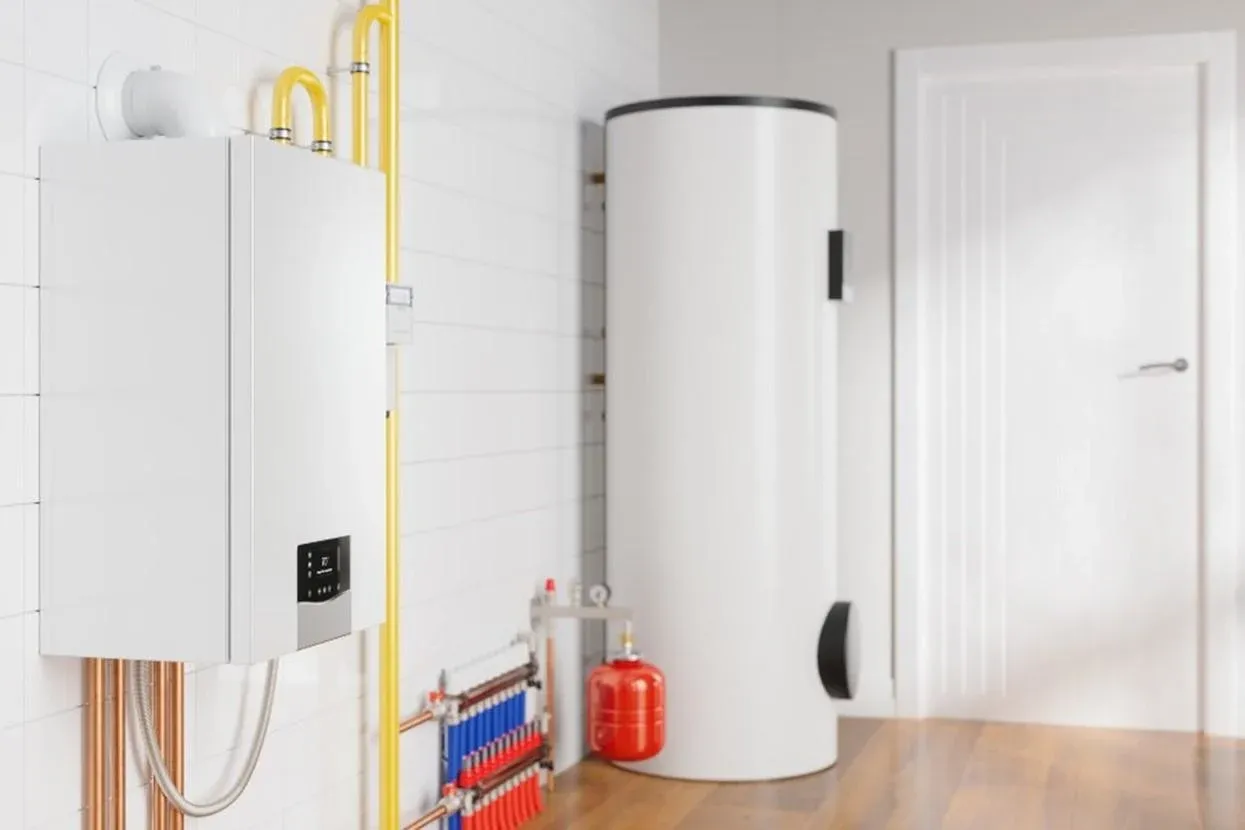
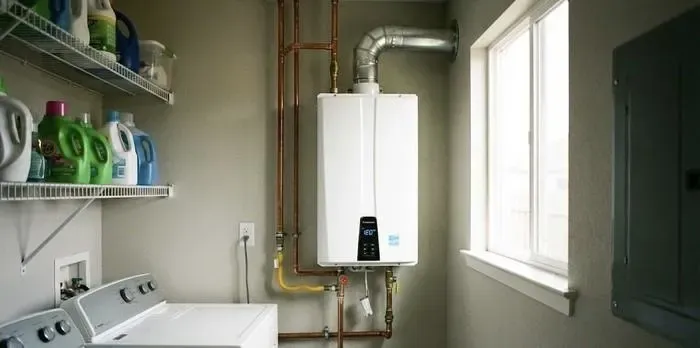
2. Tankless Water Heater

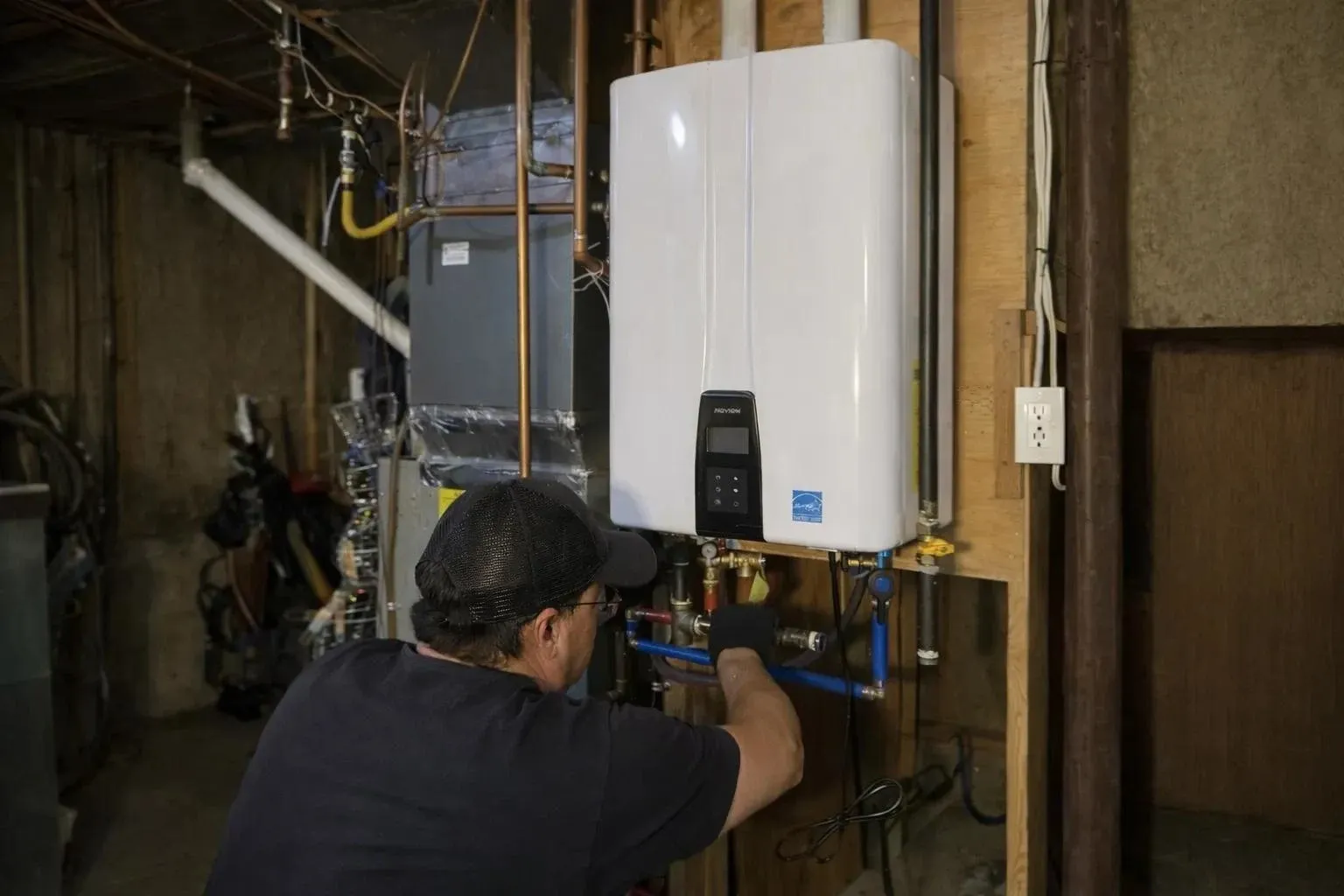
Tankless Water Heater.webp

What it is: a compact unit that heats water on demand as it passes through high-heat coils, rather than storing a standing supply. Runs less than half the footprint of a tank unit, and gas-fired models generally outperform electric ones on efficiency.

What sells it: space savings and the "never runs out" pitch, which lands especially well with customers in condos, additions, or smaller homes where a bulky tank is genuinely inconvenient.

What to flag before you quote it: gas-fired tankless units often need a larger gas line and dedicated venting than the existing setup provides, which can meaningfully change the scope and cost of a job that a customer initially assumed was a simple swap. Walk through actual peak simultaneous demand, a shower and a dishwasher running at once, for instance, since flow rate limitations are the single most common source of tankless customer complaints after install.

Where the upsell lives: a condensing tankless model for gas households already planning to stay in the home long-term, where the efficiency gain has time to pay back the higher install cost.

3. Point-of-Use Water Heater

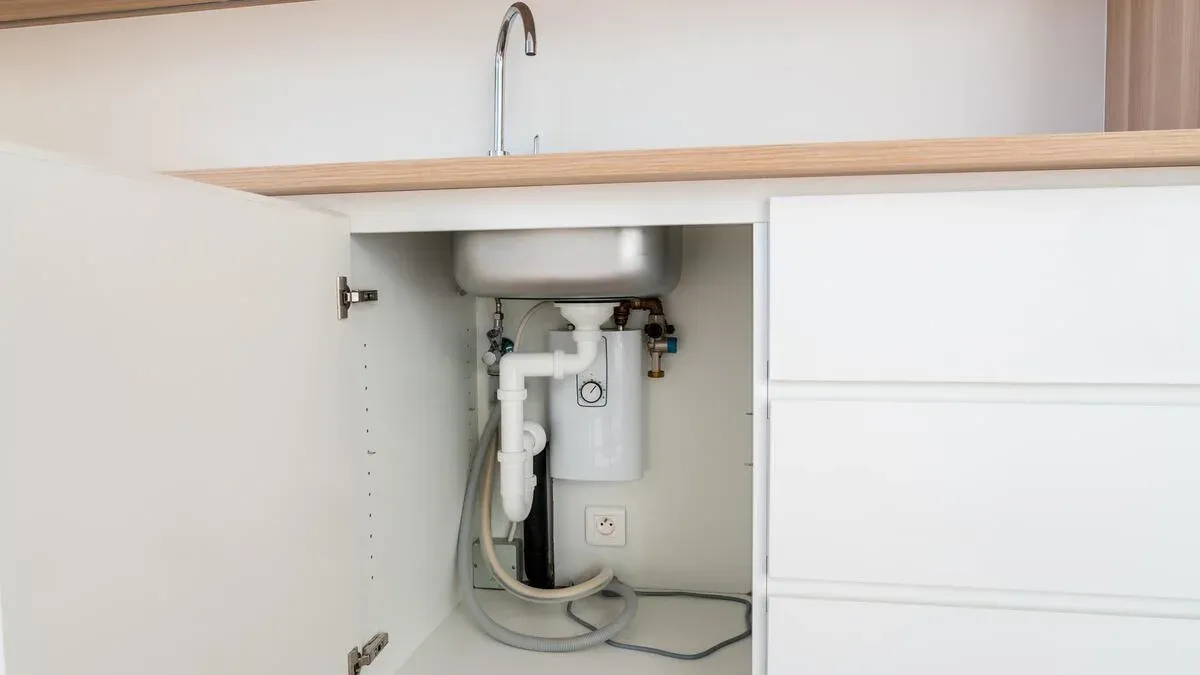
Point-of-Use Water Heater.webp

What it is: a small unit, tanked or tankless, installed close to a single fixture rather than serving the whole house. Common for a shower addition, a bar sink, or any fixture too far from the main line to justify extending it.

What sells it: instant hot water at a specific fixture, and a genuinely simple retrofit solution for a renovation or addition where running a full line back to the main water heater would be disproportionately expensive.

What to flag before you quote it: be clear with the customer that this solves hot water for one fixture only, not the whole bathroom or kitchen. A surprising number of customers assume it'll cover more than it does, and that mismatch turns into a frustrated call after install if you didn't set the expectation clearly upfront.

Where the upsell lives: pairing a point-of-use recommendation with a broader plumbing assessment on a renovation job, since customers already spending on one upgrade are often receptive to bundling a second, smaller fix while you're already on-site.

4. Solar Water Heater

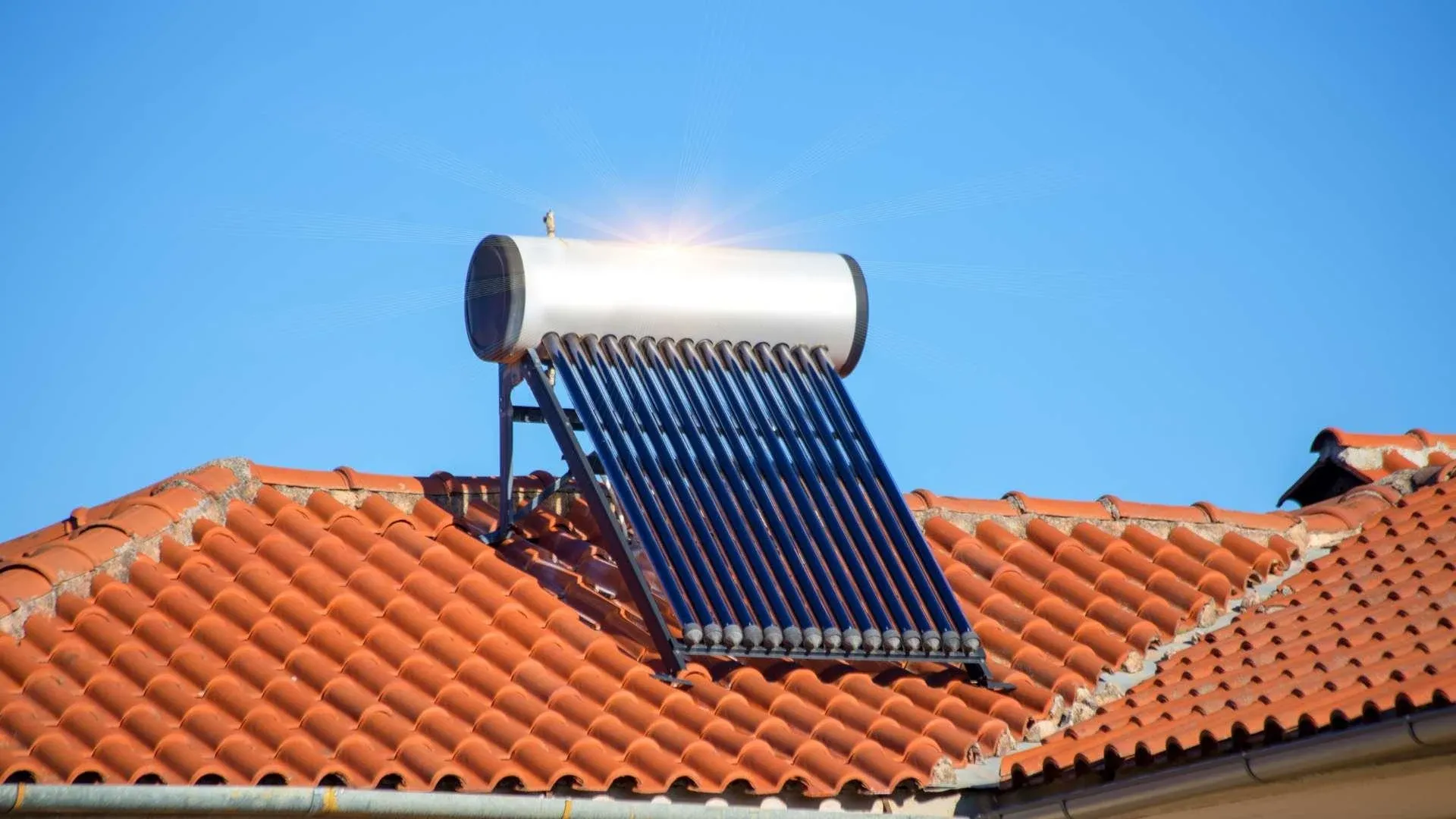
water heatersolar.webp

What it is: functions like a standard tank heater but collects energy through roof-mounted or externally sited solar panels instead of a direct fuel source, with a gas or electric backup for cloudy days and high-demand periods.

What sells it: long-term energy savings and genuine environmental appeal, particularly for customers already invested in solar for their home more broadly.

What to flag before you quote it: roof condition, orientation, and local climate all affect real-world performance, and this is worth assessing honestly before you quote it, since an install that underperforms because of a shaded or poorly angled roof becomes your reputation problem, not the manufacturer's. Snow-heavy climates reduce effectiveness meaningfully, and that's worth being upfront about rather than letting the customer discover it in January.

Where the upsell lives: available local and utility rebates can offset a meaningful chunk of the upfront cost, and having that information ready before the estimate, not looked up after, is what turns a "too expensive" objection into a closed job.

5. Hybrid Water Heater

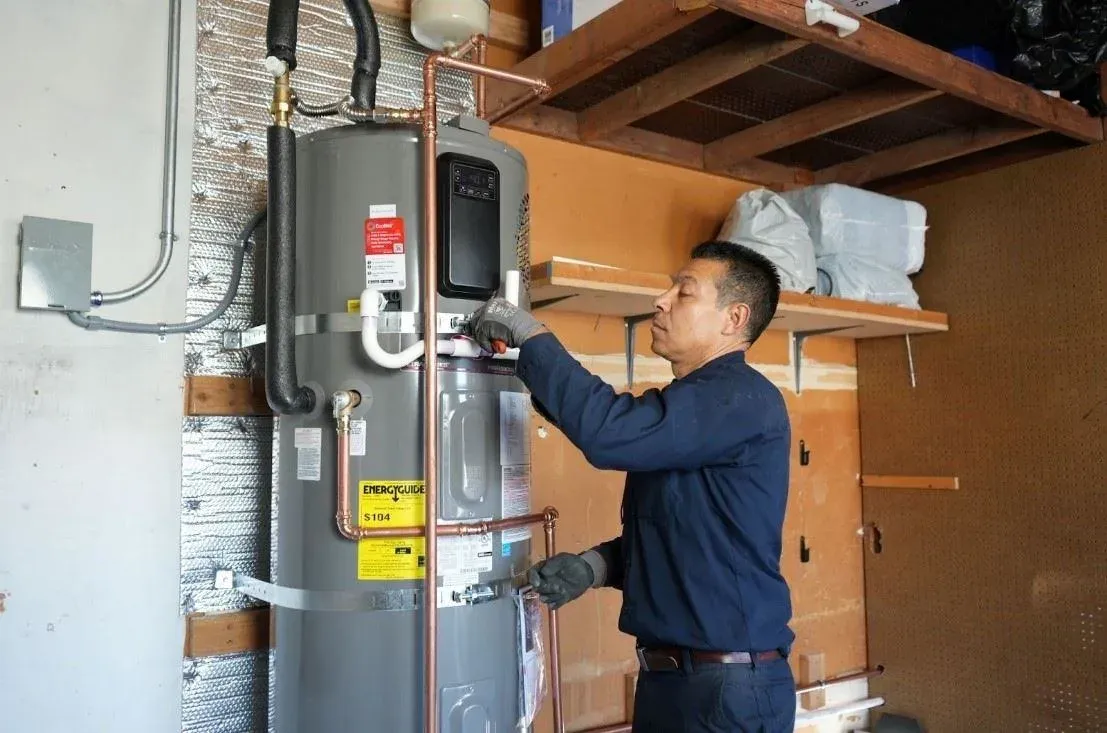
Hybrid Water Heater.webp

What it is: pairs a heat pump mounted on top of an insulated tank, drawing ambient heat from the surrounding air rather than burning fuel directly. Can cut energy use by up to 60 percent compared to a standard tank unit.

What sells it: the efficiency numbers are genuinely compelling for a customer who's already comparison-shopping on operating cost, and many jurisdictions offer tax incentives that help close the price gap.

What to flag before you quote it: these units need real clearance space and tend to run in a cold, low-humidity mechanical room or basement, they don't perform well in a tight, poorly ventilated closet. They're also noisier than a standard tank, which is worth mentioning before install rather than letting the customer discover it themselves. They underperform in consistently cold climates, so this isn't a universal recommendation regardless of how good the efficiency pitch sounds.

Where the upsell lives: a maintenance plan. Hybrid units need more regular upkeep than a standard tank to keep the heat pump running efficiently, which makes this a natural fit for a recurring service agreement rather than a one-time install.

6. Combination Boiler Water Heater

Combination Boiler Water Heater.webp

What it is: a single system handling both home heating and hot water delivery, distributing heat through radiators or radiant floor systems while simultaneously supplying nearby fixtures with hot water.

What sells it: compact footprint and efficiency, a strong option for smaller homes that already need year-round heating and don't want two separate systems taking up mechanical room space.

What to flag before you quote it: be honest with larger households about the flow limitations. A combi system can struggle when multiple fixtures draw hot water simultaneously, a shower running while the dishwasher's going, for instance, and setting that expectation before install avoids a genuinely awkward callback conversation later. The whole hot water supply is also entirely dependent on the boiler functioning, which is worth explaining as a single point of failure customers should understand going in.

Where the upsell lives: a properly sized unit from the start. Undersizing to hit a lower price point is one of the fastest ways to generate a dissatisfied combi boiler customer, so it's worth pushing back on a customer trying to size down purely for cost.

7. Condensing Water Heater

Condensing Water Heater.webp

What it is: captures heat from waste exhaust gas already produced by a home's natural gas system, funneling it into a coil at the base of the tank to preheat incoming water before it's fully heated.

What sells it: strong efficiency for households already running natural gas as a primary fuel source, with real utility savings that compound over the unit's lifespan.

What to flag before you quote it: venting requirements differ from a standard gas unit, since exhaust temperatures run lower and require specific venting materials, usually PVC-rated rather than standard metal venting. This is a genuine scope item to catch during the estimate, not something to discover mid-install. These units are also typically only available in larger sizes, which pushes the price above a standard tank and is worth setting expectations on early.

Where the upsell lives: natural pairing with a broader efficiency conversation for a customer already motivated by lower utility bills, since a condensing water heater alongside other efficiency upgrades tends to be an easier sell as part of a larger package than in isolation.

Helping a Customer Actually Choose

When a customer's genuinely torn between two options, a few questions cut through the noise faster than reciting features:

How many people, and how much simultaneous demand? This decides tank size or tankless flow rate faster than anything else, and it's the single most common source of an undersized, unhappy install.

What's the existing infrastructure? Gas line size, venting, electrical capacity, and available space often narrow the realistic options before efficiency or price even enters the conversation, so this is worth assessing before you present a menu of choices, not after the customer's already attached to one.

How long do they plan to stay in the home? A short answer changes the math on higher-upfront-cost, lower-operating-cost options like solar, hybrid, or condensing units considerably.

What's their actual budget flexibility? Presenting a tiered option, good, better, best, tends to convert better than a single number, since it gives the customer a sense of control rather than a take-it-or-leave-it quote.

Conclusion

Knowing these trade-offs cold is what lets you run this conversation confidently on a doorstep instead of defaulting to whatever's fastest to quote. But that expertise pays off well beyond a single job if you build it into the rest of how you run your business too.

A clean, professional quote matters just as much as the technical recommendation behind it. If your current process still involves a handwritten estimate and a follow-up call, it's worth comparing the best plumbing invoice apps built to generate and send a polished quote on the spot, right after you've walked a customer through their options.

Staying sharp as water heater technology keeps shifting, hybrid units, condensing systems, whatever comes next, is easier with the right habits. A handful of solid plumbing industry books cover both the technical and business side well, and pairing that with a rotation of strong plumbing industry blogs keeps you current without having to hunt for updates yourself.

A well-explained install is also genuinely good content. Before-and-after photos of a clean job, or a short explanation of why you steered a customer toward a hybrid over a standard tank, tend to perform well as social media content for plumbers, and it builds trust with the next customer before they've ever called. If video suits you better than photos, a look through plumbing YouTube channels worth learning from is a good source of inspiration for how other plumbing businesses turn ordinary jobs into content that actually converts.

None of that expertise or content matters, though, if the next customer's call never reaches you. CloseCrew's Larry is an AI receptionist built for plumbing contractors, answering every call 24/7, qualifying the job, and booking it straight into your calendar, so the trust you build one well-explained water heater conversation at a time actually turns into a full schedule instead of leaking away through a missed call.

Want to see how CloseCrew helps plumbing contractors capture every call so expertise like this actually converts into booked revenue? Book a demo or see pricing to get started.

Related tools

Run the numbers before you update your price book or field software.

Contractor Blog

Cross-trade guides on hiring, marketing, and operations for every home services business.

View all guides

Plumbing Licensing

State licensing requirements, exams, and renewal rules for plumbing contractors.

View states

Meet Larry

AI receptionist built for Plumbing — answers calls, books jobs, and follows up on leads 24/7.

See Larry for Plumbing

Related articles

equipment-and-tools

9 Best CRM Software for Plumbing Businesses in 2026

A plumbing CRM does more than store phone numbers. It tracks every customer interaction, every job, every estimate, and every follow-up. This guide compares 9 CRM options for plumbing companies with features, pricing, and the tool that builds customer profiles automatically from every call.

Read guide

Never miss a Plumbing service call again. Let Larry, your AI receptionist, book jobs while your crew is in the field.

We will run your numbers on the call and tell you if the maths does not work for a shop your size. That happens, and it is a cheaper conversation than finding out three months in.

Get a demo