No workflow connection. Work order details don't flow into dispatch or invoicing. Manual transfer required between every step.
Error multiplication. Each re-entry introduces mistakes. Job codes get wrong. Customer details get mangled. Pricing gets miscalculated.
Hidden software costs. Five separate apps cost more than one integrated platform. Five interfaces require five sets of training.
No mobile optimization. Many standalone tools lack modern mobile apps. Electricians can't update work orders from the field.
CloseCrew connects electrical work orders to every business function. One entry. One system. Call booking to payment.
How work orders flow
Call comes in. CSRs collect every detail through guided booking. Job type. Priority. Summary. Equipment notes. Property access codes. Customer history auto-populates for existing clients. Call recordings attach to the job.
Work order creates automatically. All collected data fills the work order. Drop-down menus ensure consistency. No separate app. No re-entry.
Scheduling happens instantly. From the same screen, CSRs see available slots. Book the tech. Capacity planning prevents overbooking. The job appears on the dispatch board.
Tech arrives prepared. Mobile app shows customer history. Prior estimates. Equipment details. CSR notes. Call recordings. Property data. Full context.
Estimate builds on-site. Good Better Best proposals from the integrated pricebook. Photos of the issue. Financing options. Customer views on the tablet. Signs digitally.
Invoice generates automatically. Completed work order becomes an invoice. One click. Customer info and pricing already populated. Payment collected on-site or online.
Beyond the work order
Payroll with automated time tracking per job code
Accounting sync with QuickBooks
CRM for complete customer management
Service agreements for maintenance contracts
Reporting dashboards for tech scorecards and KPIs
Marketing tools for email campaigns and ad tracking
Inventory tracking by truck and warehouse
Financing integrated into estimates for big-ticket jobs
Review automation requests sent at job completion
One platform replaces five or six disconnected tools. Every function talks to every other function. Data entered once flows everywhere.
Best for: Electrical businesses wanting work orders connected to their entire operation.
Pricing: Custom based on business size.
Disconnected work orders cost more than you think. The math is straightforward.
Re-entry errors. One pricing error per week at $150 average = $7,800/year in lost margin.
Wasted admin time. 30 minutes daily transferring data between apps = 130 hours/year. At $25/hour, that's $3,250 in admin labor.
Missed billable materials. Forgetting to invoice one part per week at $50 = $2,600/year.
Callback from incomplete documentation. One callback per month at $200 average = $2,400/year.
Total estimated annual cost of disconnected work orders: $16,000+ for a small electrical business. More for larger operations.
An integrated platform eliminates all four costs. The software pays for itself within the first quarter.
The work order that never gets created
Work orders only exist when jobs get booked. Jobs only get booked when someone answers the phone.
A property manager calls about a commercial panel upgrade at 6 PM. Your office closed at 5. Voicemail. They call the next electrician. That company answers. Creates the work order. Dispatches the tech. Closes the job.
Your dispatch board had open slots tomorrow morning. Your tech had availability. Your pricebook had the estimate ready. Nobody answered the phone.
Crew, CloseCrew's AI Employee, answers every call 24/7. The property manager reaches a live response. Crew qualifies the job. Books the appointment. The work order creates automatically. Your tech arrives with full context.
Arctic Air saw 30% more revenue in one year. Premier Heating converted 3x more leads. Air Design added 13 extra appointments in 30 days.
Your work order system manages the job. Crew makes sure the job gets created.
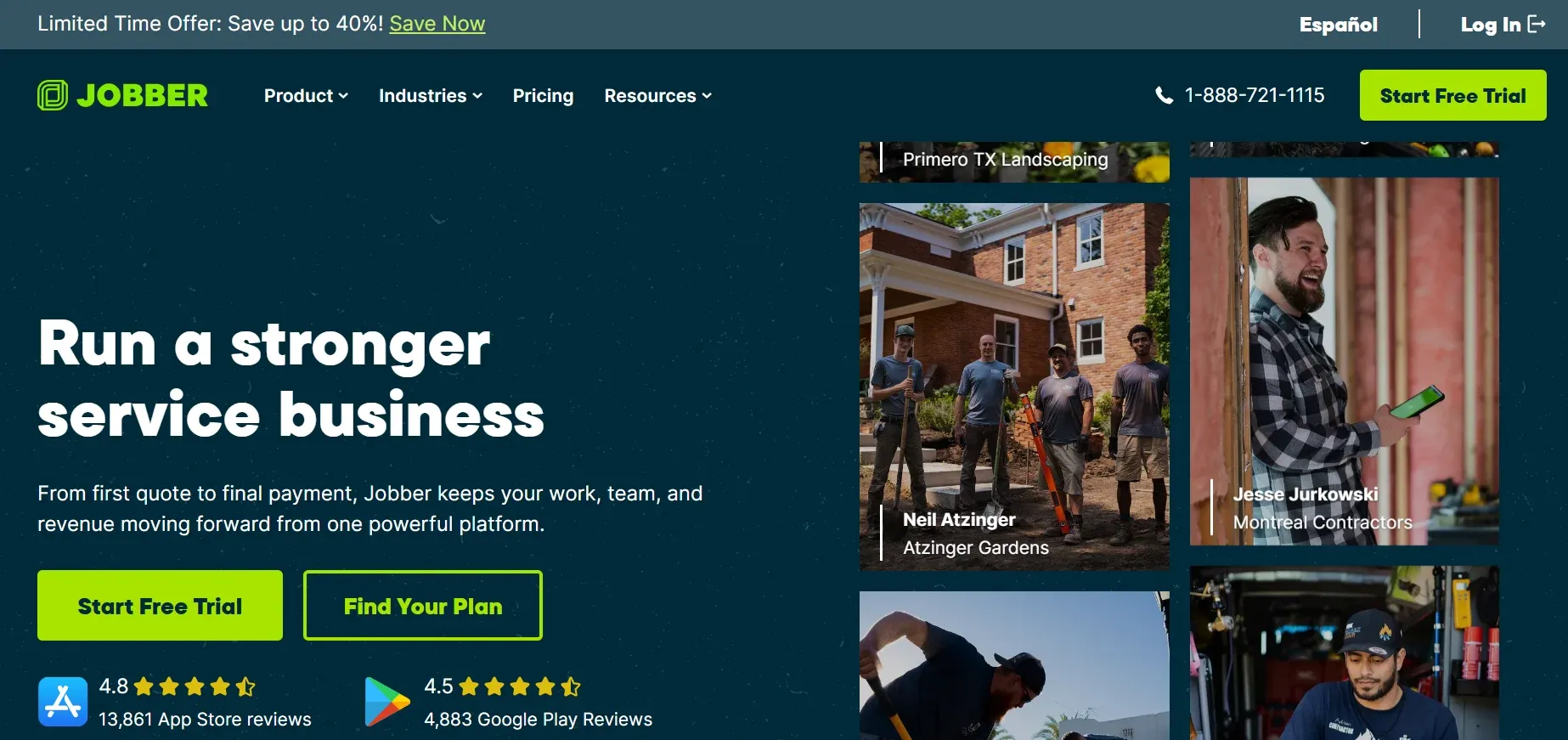
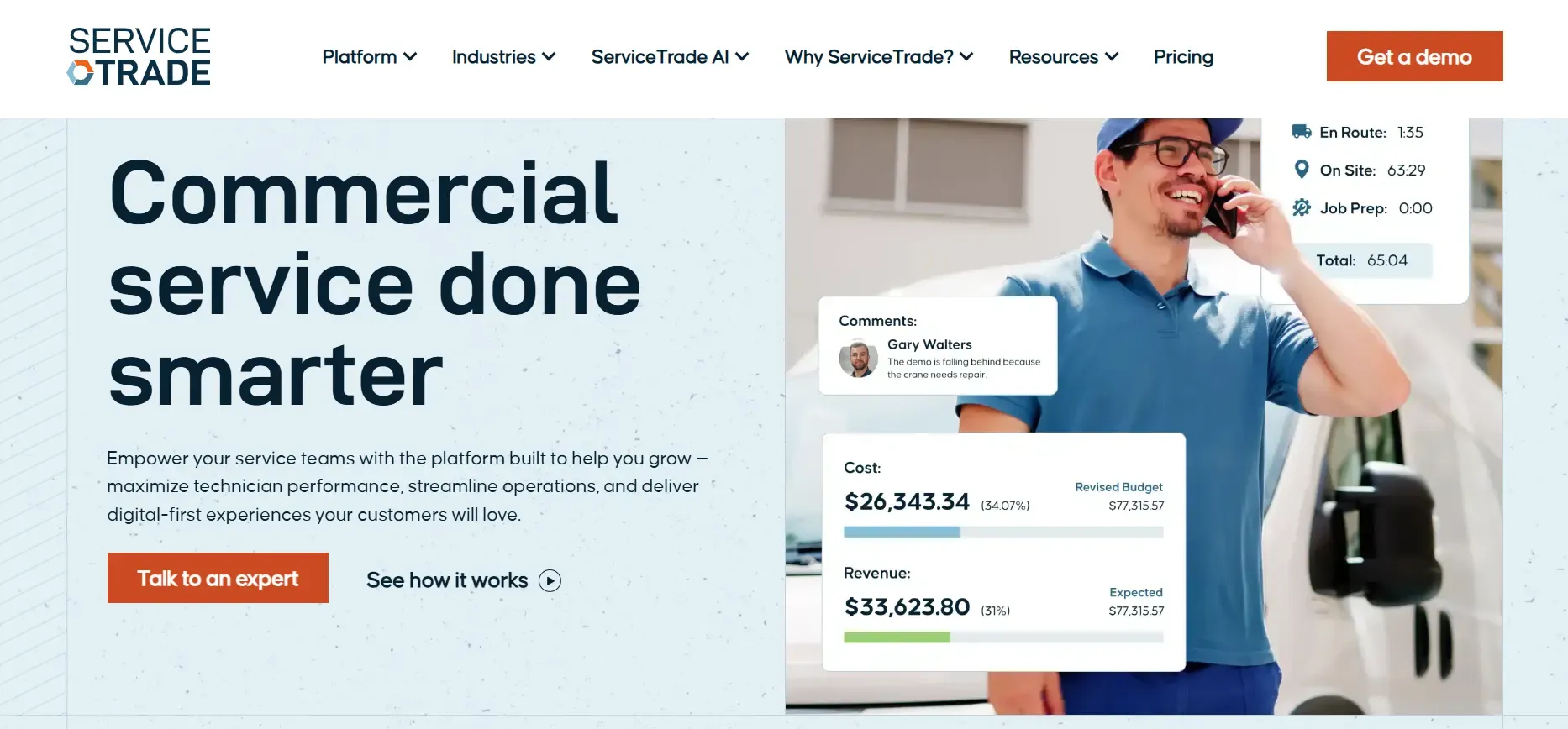
Jobber offers scheduling, estimating, quoting, invoicing, and client management. One of the most user-friendly FSM options on the market. Strong for small teams getting started.
Pros: Affordable ($29/mo). Easy to learn. Quick setup for small teams. Polished customer booking experience. 14-day free trial.
Cons: Less native pricebook depth. Reporting lacks drill-down capability. No offline mobile functionality. Limited membership customization. Per-user pricing scales up.
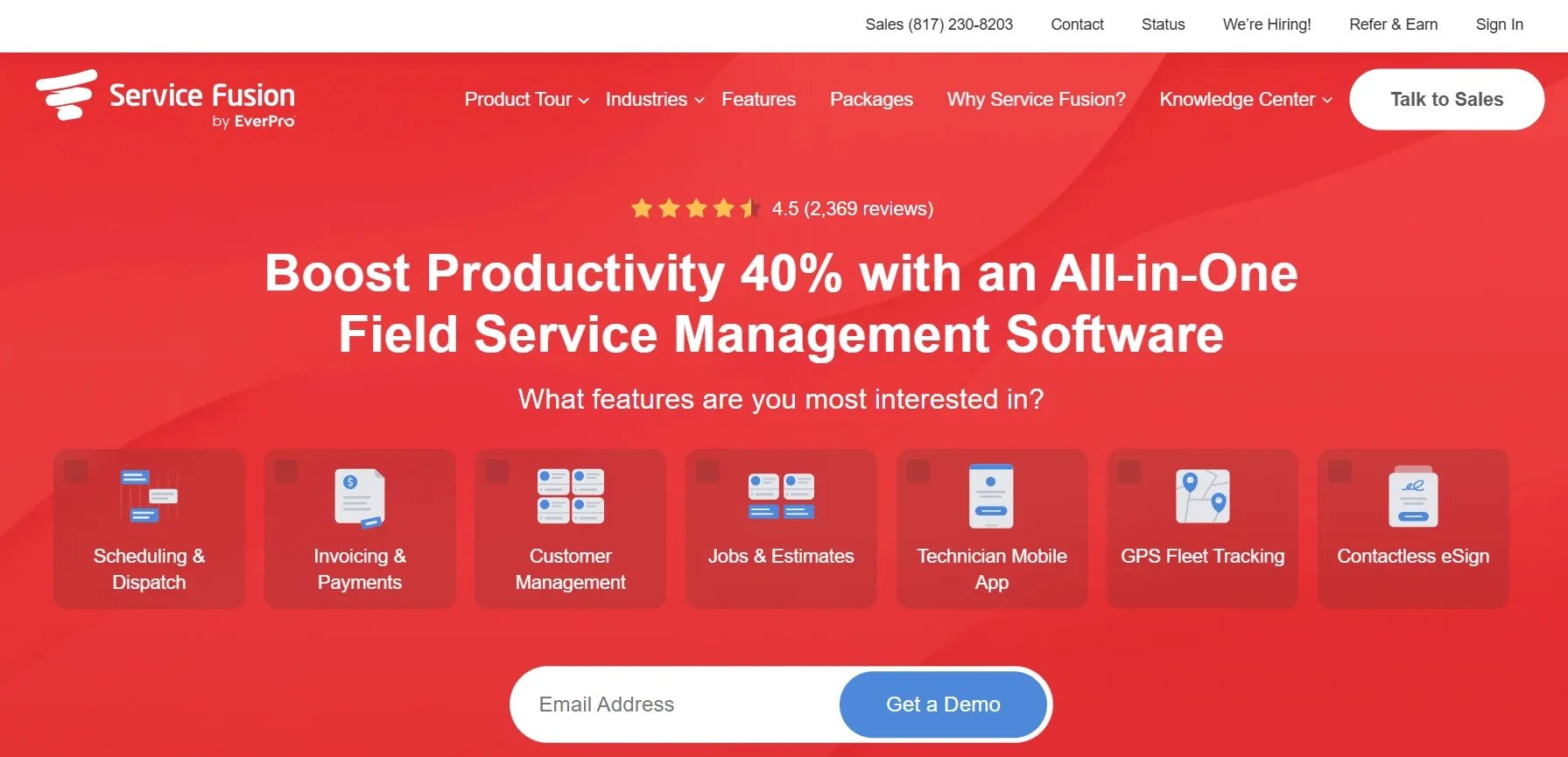
Service Fusion provides estimates, customer management, scheduling, and dispatch. Standout feature: flat monthly pricing with unlimited users. Growing teams don't pay more per head.
Pros: Unlimited users. Predictable costs as headcount grows. Broad feature coverage. Good for rapidly scaling operations.
Cons: Membership billing costs extra. Report automation gated behind higher tiers. No free trial available. Heavier onboarding than lighter alternatives.
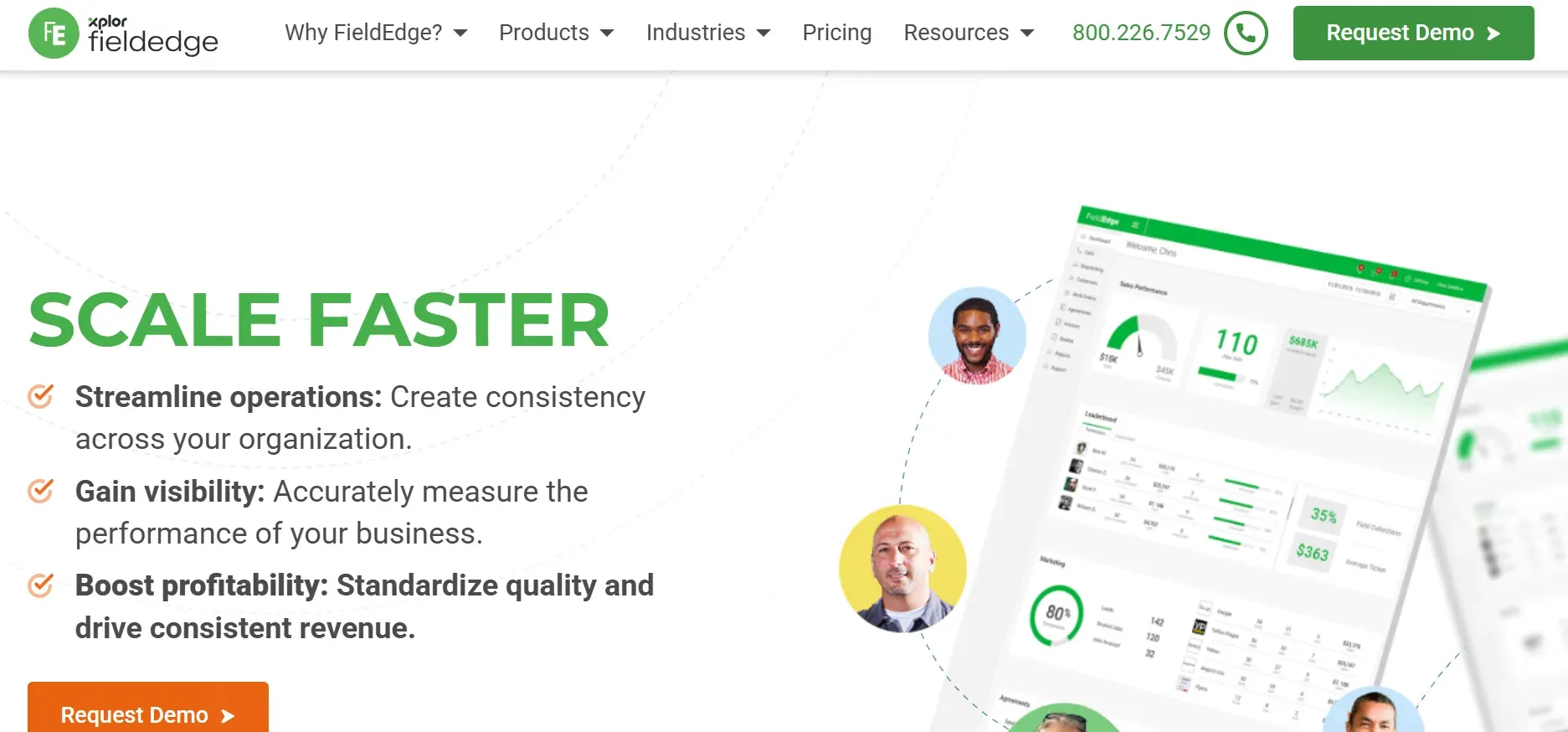
FieldEdge is built for HVAC, plumbing, and electrical. Strong flat-rate pricebook through Coolfront. Deep QuickBooks integration.
Pros: Industry-leading pricebook. Google LSA integration. Membership visible during call booking. Customer-specific commercial pricing.
Cons: Mobile app trails newer competitors. Multi-week onboarding process. Customer portal limited on base plan.
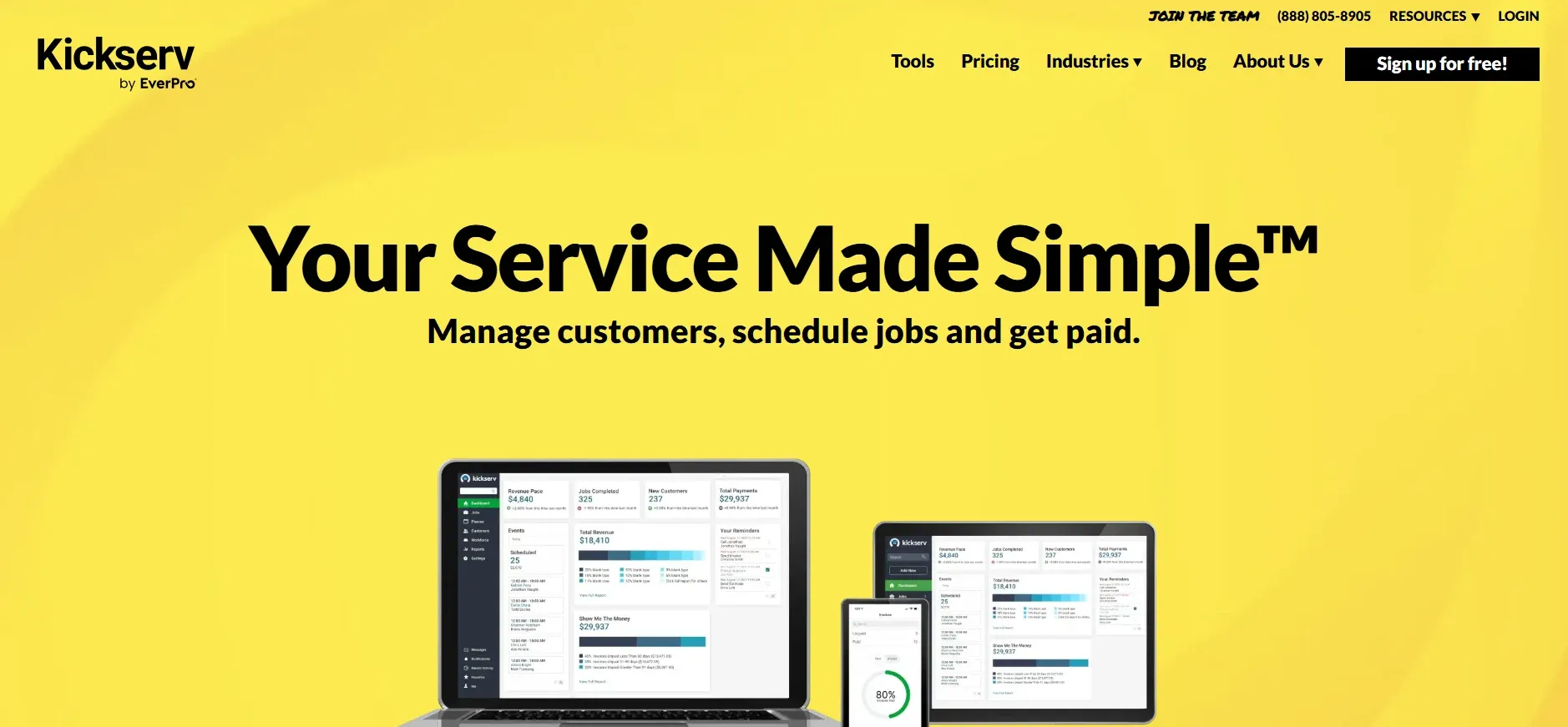
Kickserv is cloud-based FSM for small to mid-size electrical teams. Affordable entry point.
Pros: Intuitive interface. Fast onboarding. QuickBooks, Stripe, and Xero integration. Low monthly cost.
Cons: Limited customization and reporting depth. No two-way SMS. No GPS tech tracking. No GBB estimate presentation.
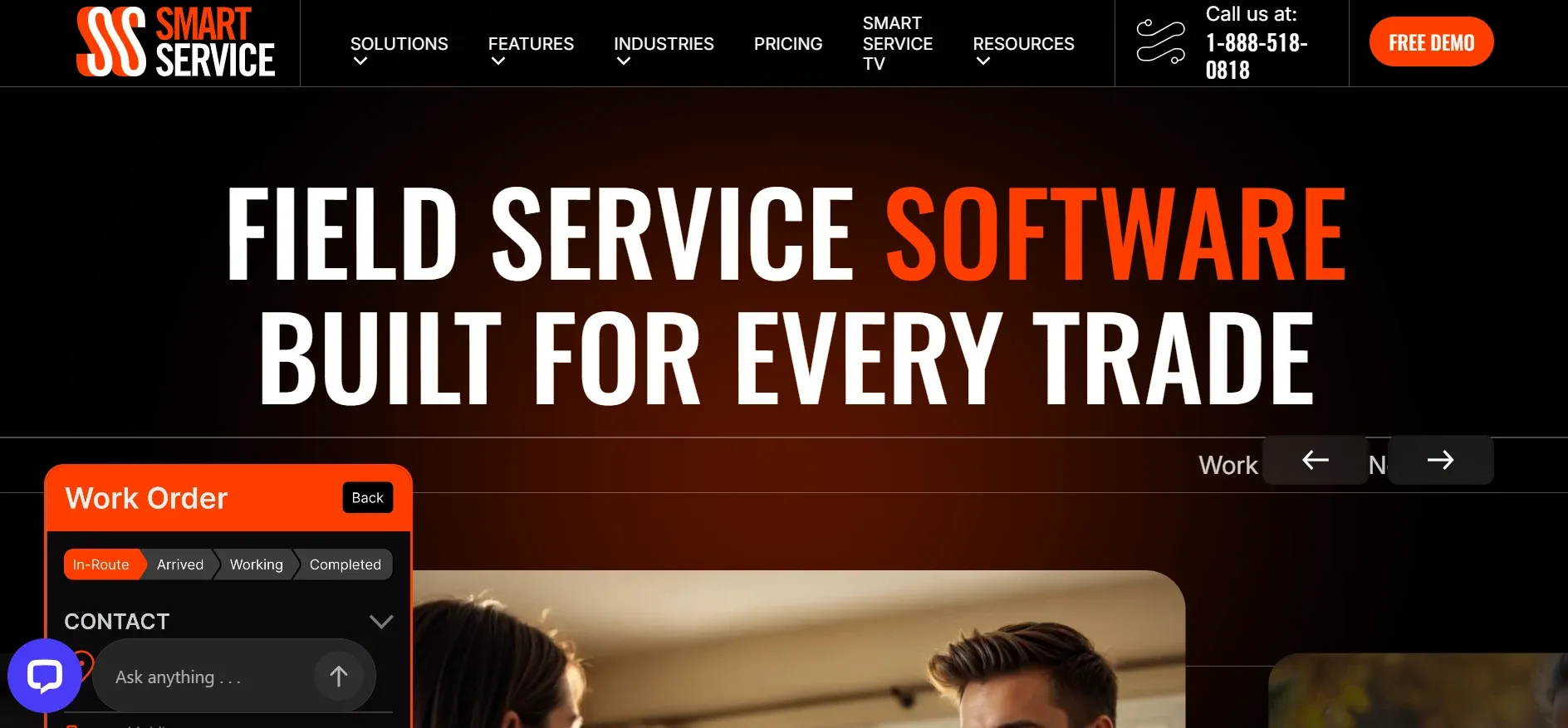
Smart Service layers scheduling, dispatch, work orders, and invoicing on top of QuickBooks.
Pros: Native QuickBooks extension. No migration needed. Familiar interface for existing QB users.
Cons: Limited value without QuickBooks. No native marketing tools. Less standalone functionality.
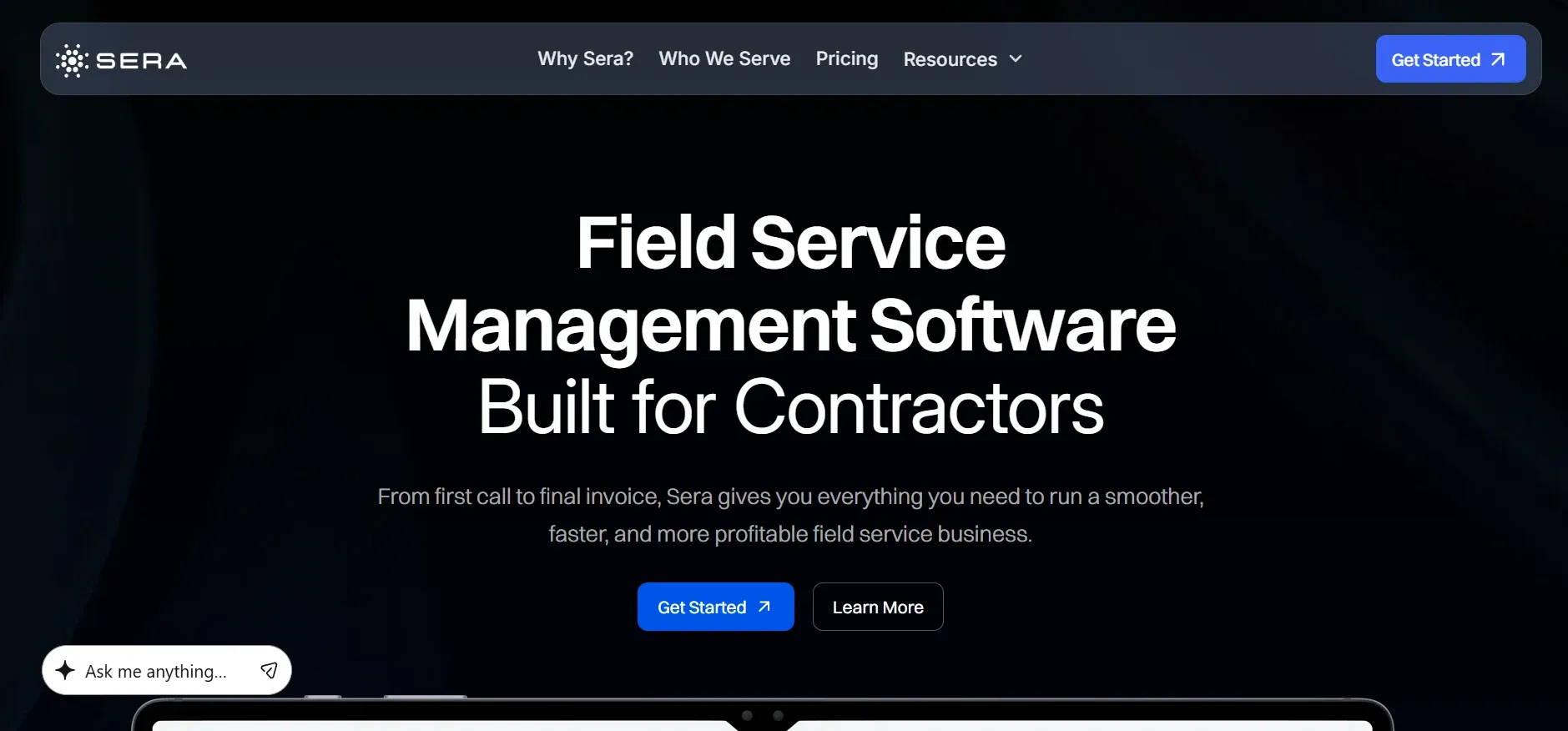
Sera focuses on financial health for home service businesses. KPI reporting baked into the core product.
Pros: Financial-first approach. Built-in KPI dashboards. Scheduling and dispatching included.
Cons: No CSR call recordings. Less inventory management. No integrated financing. Newer platform with smaller user base.
Capture every detail at call booking. Job type. Equipment involved. Panel age. Access instructions. The more detail upfront, the fewer surprises on-site.
Require photos before and after. Document the issue. Document the completed work. Photos protect against disputes and build customer trust.
Attach equipment history. Link work orders to specific equipment. Model. Serial number. Prior service. Techs diagnose faster with full history.
Use job-type-specific forms. A panel upgrade work order should have different fields than a troubleshooting call. Conditional forms show only relevant fields.
Close every work order completely. Summary. Materials used. Time logged. Photos attached. Customer signature captured. Payment collected. Incomplete work orders leak revenue silently. One unbilled part per job adds up fast.
Review weekly. Pull completed work order reports every Friday. Check for missing photos. Unsigned forms. Unbilled materials. Gaps in documentation. Catch patterns before they become permanent habits. A 15-minute weekly review prevents thousands in annual revenue leakage.
Standalone or all-in-one? If work order data needs to flow into dispatch, invoicing, and accounting, choose integrated. Data silos cost more than software.
Residential or commercial? Residential needs mobile GBB presentations. Commercial needs inspection workflows and project tracking.
Team size matters. Per-user pricing at $100/user adds up fast at 15+ techs. Calculate total annual cost before committing.
Mobile reliability. Test the app inside a commercial building. In a basement. On a rooftop. Offline capability matters for electricians.
Every app on this list manages jobs after they're created. The best ones connect work orders to your entire operation. One entry. Zero re-entry. Full visibility from first call to final payment.
But none of them answer the phone. And every work order starts with a customer calling your number. At 7 PM. On a weekend. During a storm. The moments when electrical emergencies happen most often are the moments when offices are closed.
Crew answers 24/7. The work order starts with an answered call. Not a voicemail. Every opportunity enters the system. Every job gets tracked. Every dollar gets invoiced. Choose the right tool. Connect it to everything. Never miss a work order again. The electrical business that captures every job in one connected system outperforms the one juggling five apps every time.