Electrician Van Setup for Maximum Tech Efficiency (Complete Guide for 2026)
Your service van is your mobile workshop, storage room, and office. A smart setup saves time on every job. This guide covers layout basics, inventory management, vehicle selection, upfit solutions, and the habits that keep everything organized long-term.
Your service van is your mobile workshop. Your storage room. Your office. All in one vehicle.
A smart setup gives you fast access to the right tools. It protects your inventory. And it saves time on every job. A disorganized van does the opposite. It costs you minutes per call. Those minutes add up to hours per week. Hours per week add up to thousands in lost revenue per year.
This guide covers everything about electrician van organization. Layout basics. Inventory management. Accessibility strategies. Vehicle selection. Upfit solutions. Pro tips from experienced electricians. And the long-term habits that keep everything in order.
An electrician van setup is how you organize tools and materials inside your vehicle. A strategic layout lets you grab what you need quickly. It keeps inventory visible. And it puts everything back in the same place every time.
The goal: a practical workspace that keeps pace with every job.
Why electrician van organization matters
An organized van directly impacts how you handle each job. The right setup saves time, reduces errors, and improves service quality.
Faster on-site work
A strategic layout lets you reach your multimeter, conduit bender, or fish tape without digging. Quick access to tools speeds up every task. You save time between jobs. You respond faster to calls. Your day runs profitably.
Less wasted time and money
Running low on connectors or breakers without knowing stalls jobs. An organized inventory system tracks supplies. It reduces duplicate purchases. It eliminates emergency supply house runs. You save fuel. You cut expenses. You stay on schedule.
Better job safety
A disorganized van creates real danger. Loose tools shift during driving. Unsecured wire spools cause injuries when doors open. Properly mounted racks and secured compartments prevent tripping hazards. For more on staying safe, see our electrical safety tips guide.
Protected tools and equipment
Power drills, testers, and wire strippers need protection during transport. Store them in padded bins or lockable drawers. Organized storage reduces movement, impact, and wear. It extends tool lifespan. It prevents costly replacements.
Professional image
Clients notice your van. A clean, organized interior signals quality and reliability. A cluttered van signals the opposite. First impressions build trust. Trust generates referrals and repeat business. For building your professional image online too, see our electrician reputation management guide.
The basics of electrician van organization
Create a system
Set up shelves, drawers, and bins based on daily tasks. Color-code or number storage areas. Keep voltage testers, pliers, and wire nuts within arm's reach. Group similar items together. Reduce search time to seconds.
Track and update inventory
Use a digital app to monitor inventory levels in real time. Track wire spools, fittings, fasteners, and connectors. Real-time records prevent over-ordering. They ensure you have everything for each job.
Schedule inventory checks
Run quick weekly audits. Do deeper reviews quarterly. This keeps counts accurate. It spots trends before they cause delays.
Clean and reset weekly
Dedicate time each week for van cleanup. Remove trash. Reorganize loose items. Wipe surfaces. Start each day ready to work.
Perform regular vehicle inspections
Check tire pressure, fluid levels, lights, and wear weekly. Quick inspections prevent surprise breakdowns. They keep your vehicle reliable for daily use.
Van upfit solutions for electricians
Custom shelving
Heavy-duty steel or aluminum systems designed for electricians. Categorize tools, testers, and conduit benders by size and use frequency. Adjustable brackets let you configure each shelf to match your workflow.
Storage bins and drawer units
Manage small components: wire nuts, fuses, screws, connectors. Color-coded or labeled bins identify parts at a glance. Mount directly onto shelf frames. Slide-out designs maximize tight spaces.
Power inverters and onboard power
High-capacity inverters convert battery power to AC electricity. Charge devices and run tools on-site. Auxiliary batteries ensure uninterrupted power all day. Essential for job sites without power outlets.
Ladder racks and roof solutions
External racks keep the interior clear. Drop-down racks enable ground-level loading. Hydraulic-assisted options reduce lifting strain. Roof-mounted conduit carriers transport long materials without using interior space.
Interior lighting and workstations
LED strips improve cargo area visibility. Fold-down workbenches provide a surface for reviewing plans. Slide-out trays work for quick repairs or prep.
What pro electricians recommend
Daily checks and digital inventory control
One contractor uses a two-part system. Every morning, techs complete a digital readiness checklist on a tablet. They verify the cab is clear. Tools are stowed. Consumables are organized. Safety equipment is accessible. They upload two interior photos.
Fail the check twice in one week? That triggers a coaching session.
For inventory, every major part has a QR code. When a tech uses an item, they scan it. The van's count updates automatically. The system flags discrepancies for high-value items instantly. A supervisor spot-checks 10 random items in two vans each week.
Safety and accountability
One manager shared a cautionary story. Before he took over, a tech threw everything on the cargo floor. One day, the tech tripped over tools searching for a part. He fell out the back of the van. He ended up in the ICU with a concussion.
Now that manager runs weekly inspections. Inside and outside each truck. Dirty or messy? The tech cleans before the van leaves the lot.
Your van is a marketing tool
One fleet manager changed his team's mindset with one idea. "Your truck is a marketing tool." When doors are open in a neighborhood, people walking by see inside. A van full of trash hurts the company image. A clean, organized van builds neighborhood credibility.
Every van with your logo on it advertises your business. The interior matters as much as the wrap. For building your online presence alongside your van, see our website guide.
Essential electrician van inventory
Stock the right items to stay prepared for every call. Here's what belongs in every van.
Door-mounted racks. Install drop-down or side-mounted racks near van doors. Hold drills, testers, and pliers. Access without climbing inside.
Magnetic strips and pegboards. Mount on door interiors. Hold screwdrivers, wrenches, and metal tools in plain sight.
Driver's seat zone. Create a dedicated space behind the driver's seat. Mark it clearly. Store daily-use tools and first aid kit here.
Labeled bins. Color-code drawers and bins by job type. Spot what you need instantly. Especially important for small parts.
Tool belt station. Mount belt hooks near the rear door. Techs grab a loaded belt before walking to the job. Everything needed for the first 30 minutes is on their hip.
Best electrician service vehicles
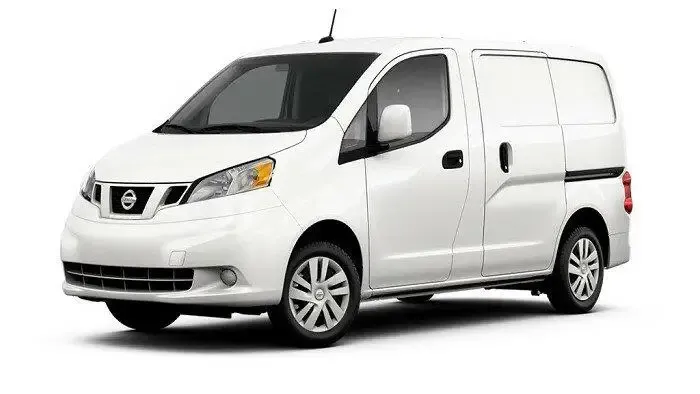
Nissan NV200 (compact city van)
Best for residential calls in urban areas. Compact enough for tight driveways and city parking. Flat load floor makes organizing bins simple. Best-in-class gas mileage. Lower purchase price ideal for solo electricians or new businesses.
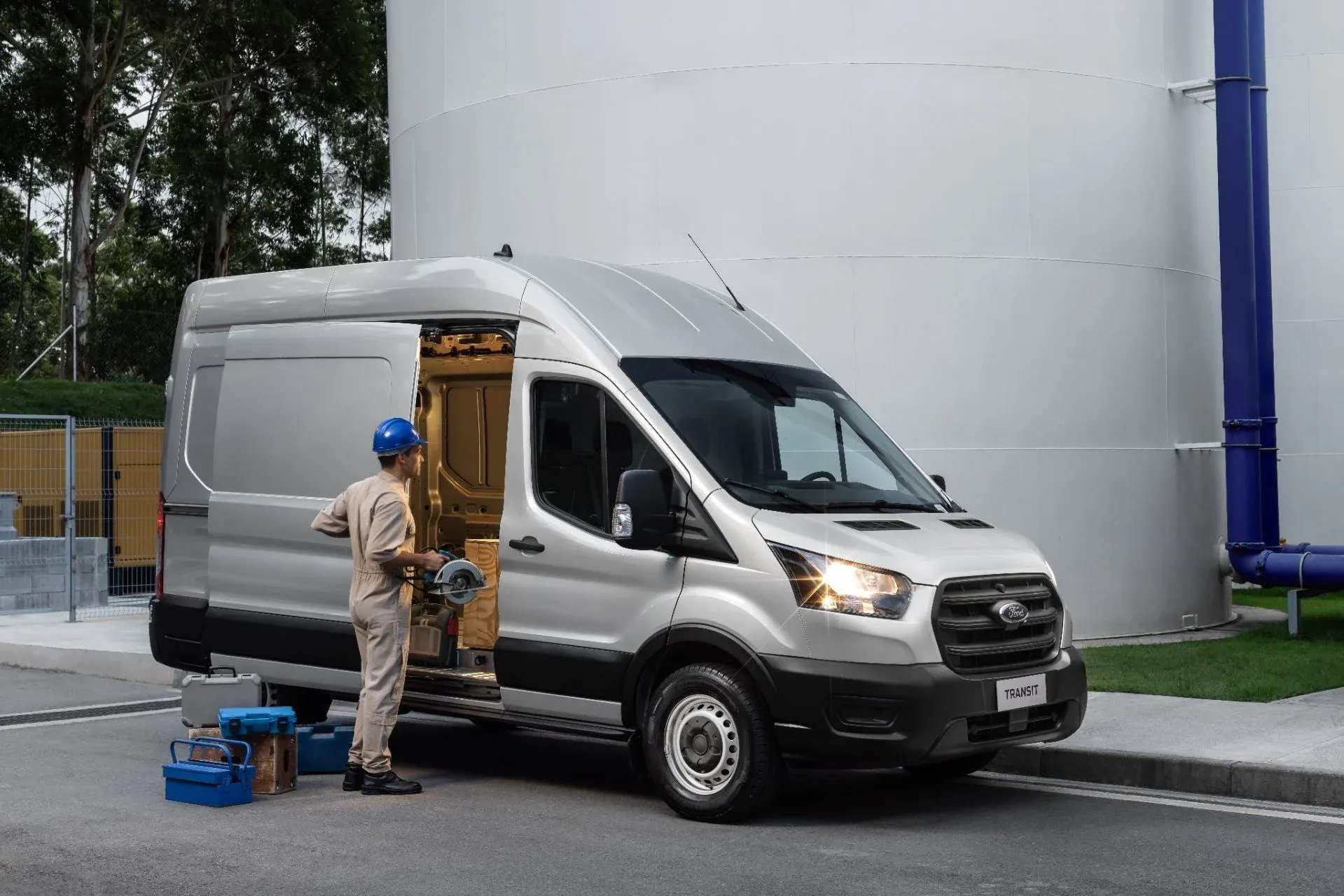
Ford Transit (versatile workhorse)
Top choice for electricians needing flexibility. Multiple roof heights and wheelbase lengths. High-roof model lets you stand inside. Ideal for full racking systems. Newer models offer hybrid and electric versions.
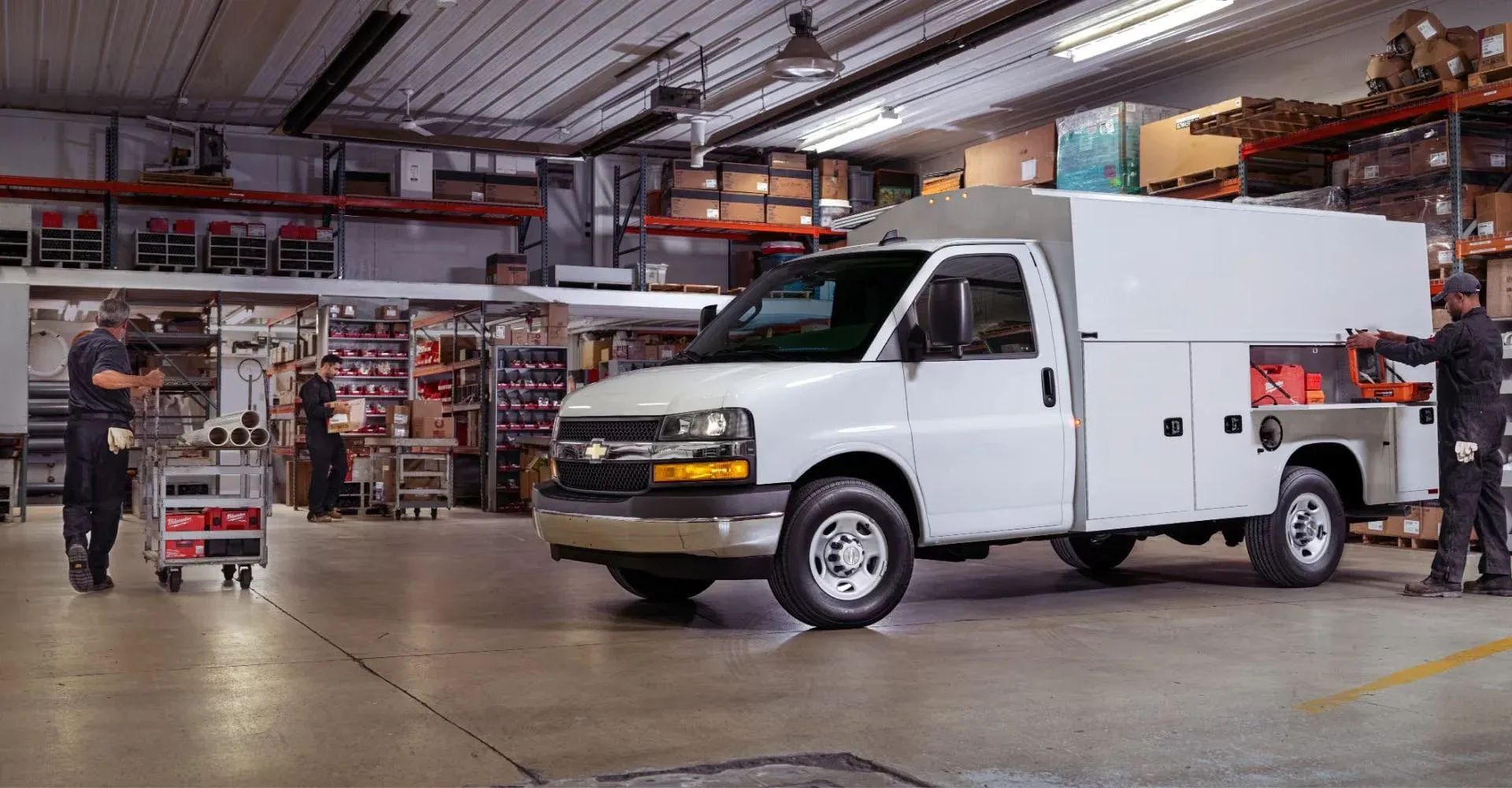
Chevrolet Express (heavy-duty standard)
The standard work van for decades. Full-size build handles heavier equipment. Supports wide range of upfit systems. Power and capacity for large conduits, ladders, and high-volume materials. Built for demanding schedules and long distances.
Other options
Mercedes-Benz Sprinter. Maximum cargo space. High roof and extended wheelbase. Premium safety features.
GMC Savana. Powerful V8. Body-on-frame construction. Ideal for heavy loads across rough terrain.
Managing materials across multiple vans gets chaotic without a system. CloseCrew gives you a centralized platform connecting warehouse, field, and office.
Real-time visibility. CloseCrew's inventory tools let you assign specific parts to individual vans. As techs use items, counts update automatically. See what each van carries. Know which needs restocking.
Mobile inventory control. Check counts across warehouses and trucks from the mobile app. Transfer items between locations. Create purchase orders from the field. Scan barcodes as parts are used. Links directly to your pricebook for job costing.
Automated restocking. Set minimum stock thresholds per van. When inventory drops below limits, the system alerts your purchasing team. Techs always have materials on hand. No overloading with unused items.
Streamlined purchasing. Create and manage purchase orders within the platform. Link each PO to a vendor and specific job. Keep spending under control with full supply chain transparency.
How to organize paperwork digitally
Physical paperwork creates clutter. Lost documents. Wasted time. The better approach: go fully digital.
Access job info anywhere. CloseCrew's mobile app shows schedules, job notes, service history, and call recordings. No calling the office. No flipping through printed orders.
Digital forms replace paper checklists. Upload safety inspections, panel diagnostics, and installation workflows. Automatic triggers show the right form at each job stage.
Cloud storage. Every completed form saves automatically. Organize by customer, job type, or address. Upload photos and videos with notes. Office staff access everything instantly.
Common van setup mistakes
Overloading. Too many tools create clutter and increase fuel costs. Stock only high-frequency items. Keep extras in the warehouse.
Uneven weight distribution. Heavy equipment spread unevenly hurts steering and suspension. Load heaviest items near the center and low to the floor.
No labels. Unlabeled bins cost minutes per search. Use printed or color-coded labels. Group by job type.
Skipping vehicle checks. Leads to unexpected repairs and downtime. Inspect weekly: inventory, cleanliness, tires, fluids.
Keeping your van organized long-term
Standard layout across all vans. Every van follows the same setup. Speeds up training. Simplifies restocking. Reduces errors.
Assign ownership. Each van belongs to one tech. Upkeep is their responsibility. When techs own their workspace, they keep it clean.
Digital checklists. Standardize daily and weekly tasks through CloseCrew's app. Tool checks. Inventory counts. Trash removal. Minimal oversight required.
Weekly restocking schedule. Pick one day for restocking and cleaning across the fleet. Prevents shortages and clutter.
Quarterly audits. Inspect each vehicle for organization, safety, and efficiency. Review what's working. Coach the team. Adjust as needed.
Your van organization gets techs to jobs prepared. But jobs only happen when customers book them. Every investment in vans, tools, training, and marketing leads to one moment. The phone rings.
Larry, CloseCrew's AI Employee, answers every call 24/7. He qualifies the electrical issue. Books the appointment. Sends confirmation. Your tech arrives in a clean, organized van. Tools ready. Customer waiting.
Arctic Air saw 30% more revenue in one year. Premier Heating converted 3x more leads. Air Design added 13 extra appointments in 30 days.
Your van is ready. Your tools are ready. Larry makes sure the schedule is full.
Your van is ready. Is your phone?
A well-organized van makes every job faster. Techs find tools in seconds. Customers see professionalism. Inventory stays accurate.
But the best-equipped van in the world can't help a customer who never got through. CloseCrew ensures every call becomes a booked job. Larry answers 24/7. Your van does the work. Larry fills the calendar.
Frequently asked questions
How much does it cost to set up an electrician van?
Basic shelving and bins: $500-$2,000. Professional upfit packages: $3,000-$8,000. New van: $30,000-$55,000. Used van with basic setup: $15,000-$25,000. Start with essentials. Add premium components as revenue grows.
How do I choose between a compact and full-size van?
Compact vans work for solo electricians doing residential work. Full-size vans work for teams carrying heavy equipment. Match the van to your job types and crew size.
How often should I restock my van?
Weekly for consumables (wire nuts, connectors, tape). Monthly for bulk materials (wire spools, breakers). Set automatic restock alerts through your inventory system.
Should every van in my fleet have the same setup?
Yes. Standardized layouts speed up training. Any tech can work from any van. Restocking is simpler. Audits are faster.
What's the biggest van organization mistake?
No system at all. Techs who "know where everything is" create a setup that only works for them. When they're sick or leave, nobody can find anything. Build a documented system. Label everything.
Related tools
Run the numbers before you update your price book or field software.
Free Electrical Templates
Invoices, estimates, and flat-rate pricing sheets for electrical contractors.
Discover 8 practical systems for managing a multi-branch electrical business, including standardized pricing, shared data, cross-branch scheduling, branch KPIs, and repeatable expansion processes.
Learn 10 electrical safety tips for protecting customers and electricians, from PPE and proper tools to training, job preparation, and safer field operations.
Never miss a Electrical service call again. Let Larry, your AI receptionist, book jobs while your crew is in the field.
We will run your numbers on the call and tell you if the maths does not work for a shop your size. That happens, and it is a cheaper conversation than finding out three months in.