Business Tips

How to Organize Your Electrician Tool Belt Setup (2026)

A smart tool belt setup can make or break your workday. When tools are right where you need them, you move faster and work safer. This guide covers tool placement, the top 5 belts for 2026, safety essentials, job-specific configurations, and how belt organization connects to business performance.

9 min readPublished August 19, 2026

A smart tool belt setup can make or break your workday. When tools are right where you need them, you move faster. You waste less time. You avoid unnecessary strain.

When tools are scattered or hard to reach? Every job takes longer. Frustration adds up. And your back pays the price.

For electrical companies, helping your team perfect their belt setups isn't about comfort alone. It's about safety. Efficiency. And the professional image that wins referrals.

This guide covers belt selection, tool placement, safety, common mistakes, and top belt recommendations.

Part of the Business Tips section in the Electrical Business Blog.
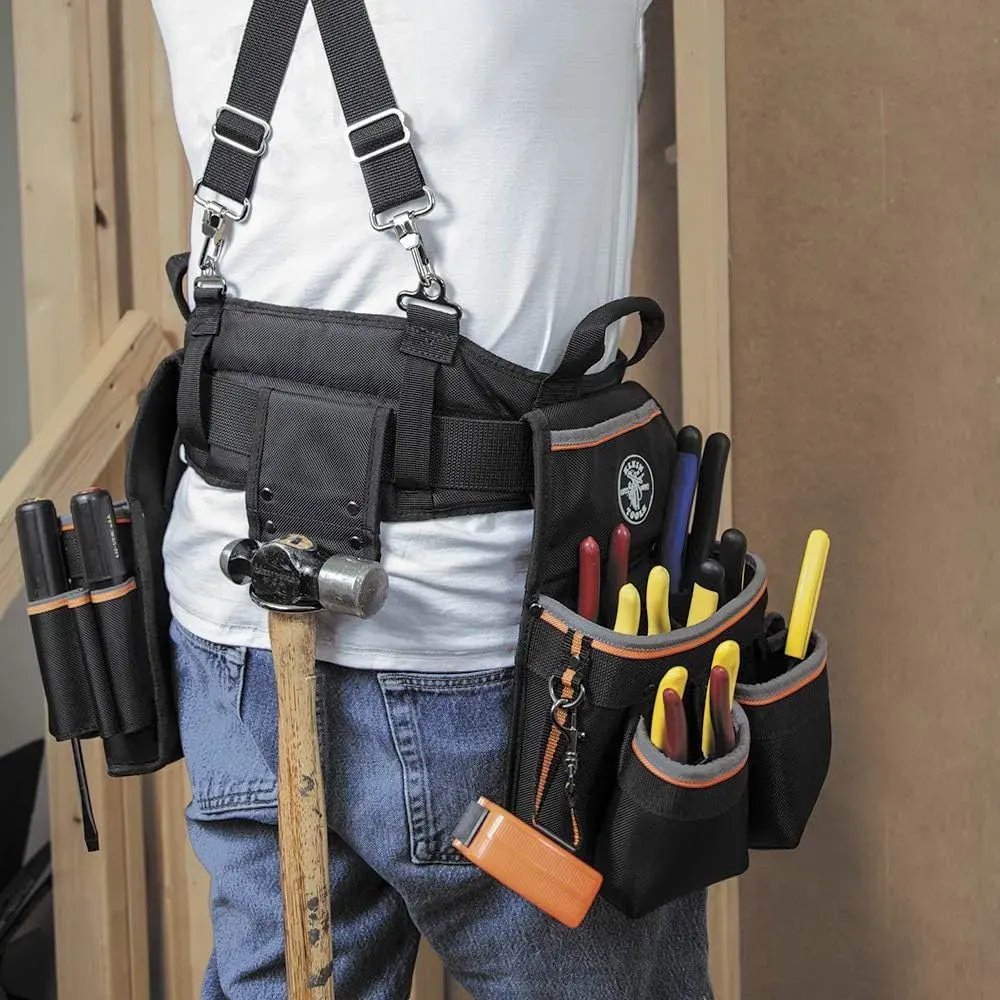
Why your tool belt setup matters

Your belt is a daily productivity system. Not just storage.

If a tech wastes 5 minutes per hour searching for tools, that's 40 minutes lost daily. Multiply by 10 techs over a month. That's days of wasted labor.

The average electrician walks up to 11,000 steps per day. A messy belt means extra trips to the truck. Each trip adds time and fatigue.

A well-organized belt eliminates wasted motion. Every reach finds the right tool. Every job moves faster. Every tech finishes more calls per day.

Choosing the right belt

Not all belts work for electricians. Here's what matters.

Width. At least 2 inches wide. Distributes weight across your hips. Narrower belts dig in and cause pain.

Material. Leather lasts longest. Nylon is lighter. Leather works for techs who prioritize durability. Nylon works for those who prioritize weight.

Pouches. Small pouches for wire nuts and screws. Medium for pliers and strippers. Large for meters and testers. Match pouch sizes to your actual tool set.

Comfort. Padded inner lining is essential for all-day wear. Suspenders transfer weight from hips to shoulders. If your belt weighs over 10 pounds loaded, suspenders prevent back strain.

Fit. Adjustable sizing. Secure buckle that won't loosen during movement. Test with your full tool load before buying.

Essential tools for every electrician belt

Tool Category

Specific Tools

Belt Position

Cutting/stripping

Wire strippers, electrical knife

Dominant side

Gripping

Needle-nose pliers, lineman pliers

Dominant side, easy reach

Fastening

Insulated screwdrivers (flat and Phillips)

Center or opposite side

Testing

Voltage tester, multimeter

Opposite side, secure pouch

Hardware

Wire nuts, tape, screws

Small pouches, both sides

Safety/other

Flashlight, marker, pen

Front or easy-access pocket

Heavy tools should be balanced around your belt. Not all on one side. Uneven weight causes leaning and back strain.

For a complete list of electrician tools beyond the belt, see our full tools guide.

Smart tool placement

Where you put each tool matters as much as which tools you carry.

Dominant side rules

Tools you grab most go on your dominant side. For most electricians, that's the right side. Wire strippers. Go-to screwdriver. Needle-nose pliers. These should be reachable without looking.

Spread the weight

Distribute heavy tools evenly. Lineman pliers on one side. Meter on the other. This prevents the lean that causes hip and back problems over a full day.

Create muscle memory

Keep tools in the same position every single day. Your hand should find the right tool without looking down. This takes about two weeks of consistent placement. After that, it's automatic.

Test on a real job

Before committing to a layout, work a full day with your proposed setup. Note which tools you reached for most. Which positions felt awkward. Adjust after the test day. Don't redesign mid-job.

About 10-15% of people are left-handed. Most belts are designed for right-handed users. Left-handed electricians should mirror the standard placement recommendations.

Top 5 electrician tool belts for 2026

1

Klein Tools Tradesman Pro

Klein Tools is the standard for electrician-specific belts. Padded construction with mesh inner liner for breathability. Removable pouches let you customize the configuration. Built specifically for electrical work.

Where to buy

Where to buy: Klein Tools | Amazon

Klein Tools Tradesman Pro.webp
2

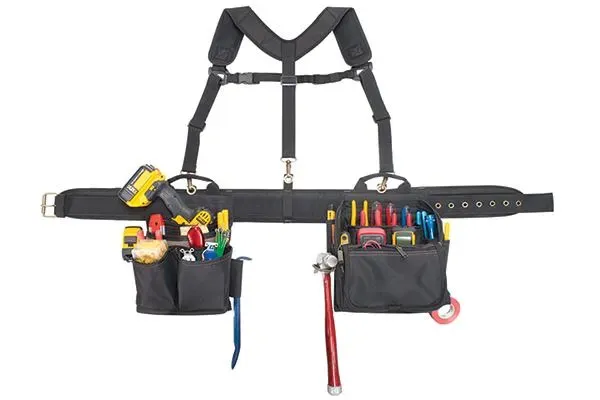
CLC Custom Leathercraft 1608

Rated among the best electrician belts across trades. Features 28 pockets. Comfort lift design reduces hip pressure. Works for residential and commercial electrical work.

Where to buy

Where to buy: Amazon

CLC Custom Leathercraft 1608.webp
3

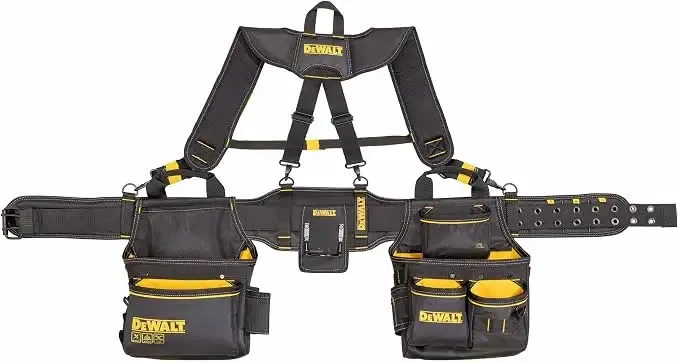
DeWalt Professional Tool Belt (25-Pocket)

4.6 out of 5 stars across 900+ reviews. Durable construction. Convenient pocket layout. Suspender-compatible for heavy loads.

Where to buy

Where to buy: Amazon | DeWalt

DeWalt Professional Tool Belt (25-Pocket).webp
4

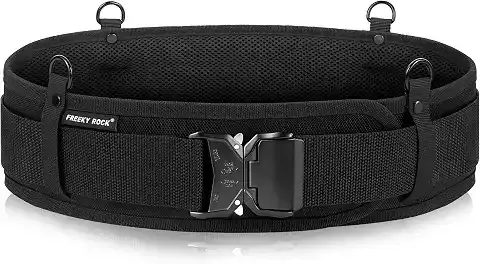
Gatorback Pro-Comfort

Memory foam support sets this belt apart. Side handles make it easy to adjust on ladders. Strong balance of comfort, function, and price.

Where to buy

Where to buy: Amazon

Gatorback Pro-Comfort (1).webp
5

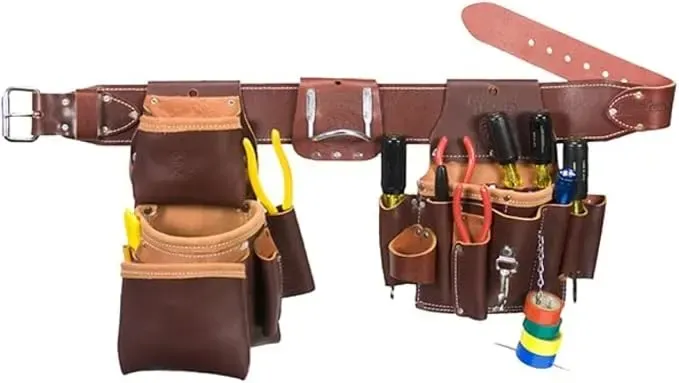
Occidental Leather Tool Belt Set

Premium quality. Built to last 5-10 years with proper care. Recommended by professional electricians worldwide. The highest-quality construction available.

Professional electricians typically replace belts every 2-3 years. High-quality belts like Occidental can last up to 10 years.

Where to buy

Where to buy: Amazon | Occidental Leather

Occidental Leather Tool Belt Set.webp

Safety first

Your belt carries more than tools. It carries responsibility.

Use insulated tools for live work. Anything that could touch energized wires needs insulation. No exceptions.

Attach lanyards when working at height. A dropped lineman plier from 20 feet can cause serious injury. Clip tools when you're on a ladder or lift.

Keep the voltage tester accessible. Store it where you can grab it without looking. Test before you touch. Every time.

Secure loose items. Wire nuts and screws should be in closed pouches. Not open pockets. Items falling from your belt create tripping hazards below.

For more on keeping your team safe, see our electrical safety tips guide.

A safe setup doesn't just prevent accidents. It builds confidence. Confident techs work faster and make fewer mistakes. Customers notice the professionalism. That leads to better reviews and more referrals.

For managing those reviews systematically, see our electrician reputation management guide. Automated review requests after every completed job compound your reputation over time.

Common mistakes to avoid

Carrying everything. Only pack tools needed for the current job type. A residential rough-in doesn't need the same belt as a commercial panel swap. Overloaded belts cause fatigue and slow you down.

Random placement. Putting tools in different spots each day kills muscle memory. Consistency is everything. Same tool. Same pocket. Every day.

Ignoring comfort. A painful belt is an unproductive belt. Pain causes distraction. Distraction causes mistakes. Invest in padding and suspenders.

Using the wrong belt for the job. A heavy leather belt for a quick service call is overkill. A light nylon belt for a commercial build-out isn't enough. Match belt weight to job demands.

Not replacing worn belts. Stretched pouches lose tools. Worn straps break under load. Frayed stitching fails at the worst moment. Inspect your belt monthly.

Maintaining your setup

Daily routine

Wipe down tools and belt at end of day. Remove debris from pouches. Return every tool to its designated position. Takes 5 minutes. Prevents tomorrow's frustration.

Weekly routine

Empty and clean all pouches. Adjust setup based on recent job patterns. Swap seasonal tools. Hot weather may need a water bottle holder. Cold weather needs different glove storage. Inspect belt stitching and buckles.

Monthly routine

Deep clean the belt. Condition leather belts with leather oil. Check tool edges and replace dull strippers. Evaluate whether your layout still matches your job mix. Adjust if needed.

Job-specific belt configurations

One setup doesn't fit every job. Smart electricians build different configurations.

Residential service calls. Light setup. Voltage tester, screwdrivers, strippers, wire nuts, flashlight, tape. Quick access. Minimal weight.

Rough-in work. Heavier setup. Add lineman pliers, torpedo level, reamer, cable stapler. More tools for a longer day.

Commercial panel work. Specialized setup. Add multimeter, nut drivers, torque screwdriver, label maker. Precision tools for detailed work.

Troubleshooting calls. Diagnostic setup. Voltage tester, clamp meter, circuit tracer, GFCI tester. Testing tools take priority over installation tools.

For the full range of electrician apps that complement your physical tool belt with digital tools, see our apps guide.

Training your team on belt organization

For electrical companies, standardizing belt setups across your team improves everything.

Provide quality belts. Don't make techs buy their own. Company-provided belts ensure consistency and quality. It's a business expense that pays back through efficiency.

Create a standard setup guide. Document the recommended tool placement for your most common job types. Include photos. Give every new hire a copy on day one.

Hold short training sessions. 15-minute tool organization workshops during team meetings. Let experienced techs share what works for them.

Ask for field feedback. Techs who use the belt daily know what works and what doesn't. Their input improves the standard layout.

Reward organization. Recognize techs who maintain clean, efficient setups. Make organization part of your culture. Not just a rule.

How organization connects to business performance

A well-organized belt saves 5+ minutes per hour per tech. That's 40 minutes per day. Across a 10-person team, that's nearly 7 extra hours of productive work daily. Over a month, it's 140+ hours recovered. Hours that translate directly into additional completed jobs.

Fewer lost tools reduce replacement costs. Professional appearance improves customer perception. Better reviews follow. More referrals follow those.

But all of those completed jobs started with one thing. A phone call. A homeowner needed an electrician. They called.

The best-organized belt in the industry can't help a customer who reached voicemail. Your tech's setup is perfect. Their tools are placed with precision. But the homeowner who called at 7 PM couldn't reach anyone. They called the next electrician on Google.

Every investment in tools, training, belts, and organization leads to one outcome. The phone rings. And someone needs to answer.

Larry, CloseCrew's AI Employee, answers every call 24/7. He qualifies the electrical job. Books the appointment. Sends a confirmation text. Your tech arrives the next morning. Belt organized. Tools ready. Customer waiting.

Arctic Air saw 30% more revenue in one year. Premier Heating converted 3x more leads with response under 1 minute. Air Design added 13 extra appointments in 30 days.

Your belt organizes the tools. Larry organizes the schedule.

Your belt is ready. Is your phone?

A well-organized tool belt makes every tech faster, safer, and more professional. But the job only happens if someone books it. The best-equipped tech can't help a customer who never got through.

CloseCrew ensures every call becomes a booked job. Larry answers 24/7. Your tools do the work. Larry fills the calendar.

Frequently asked questions

How much should I spend on an electrician tool belt?

$50-$100 for a good mid-range belt. $150-$300 for premium options like Occidental Leather. Don't go cheap. A bad belt costs more in back pain and lost productivity than the price difference.

Belts work for most electrical jobs. Vests distribute weight better for heavy loads. Some techs use both depending on the job. Try a vest if your belt exceeds 15 pounds loaded.

Every 2-3 years for standard belts. High-quality leather belts can last 5-10 years with proper care. Replace immediately if stitching frays, pouches stretch, or buckles weaken.

Inconsistent tool placement. When tools move around daily, muscle memory never develops. Techs waste seconds on every reach. Those seconds compound into hours monthly.

Yes. Company-provided belts ensure quality and consistency across the team. They're a tax-deductible business expense. The efficiency gain pays for the belt within the first week.

Related tools

Run the numbers before you update your price book or field software.

Contractor Blog

Cross-trade guides on hiring, marketing, and operations for every home services business.

View all guides

Electrical Licensing

State licensing requirements, exams, and renewal rules for electrical contractors.

View states

Meet Larry

AI receptionist built for Electrical — answers calls, books jobs, and follows up on leads 24/7.

See Larry for Electrical

Related articles

Never miss a Electrical service call again. Let Larry, your AI receptionist, book jobs while your crew is in the field.

We will run your numbers on the call and tell you if the maths does not work for a shop your size. That happens, and it is a cheaper conversation than finding out three months in.

Get a demo
How to Organize Your Electrician Tool Belt Setup (2026) | CloseCrew