Business Tips

HVAC Codes and Standards: A Complete Guide for Contractors

Learn the HVAC codes and standards every contractor should know to stay compliant, pass inspections, improve safety, and deliver reliable residential and commercial HVAC installations.

11 min readPublished July 28, 2026

Knowing the right HVAC codes can make or break a job. Brushing up on them before your next installation or service call helps you avoid costly mistakes, stay compliant, and deliver work that's genuinely safe, not just technically finished.

But what actually counts as an HVAC code, and why does it matter this much? That's what this guide covers. You'll learn:

Use it to sharpen your compliance, cut down on callbacks, and build a reputation as a contractor who gets it right the first time.

Part of the Business Tips section in the HVAC Business Blog.
  • The difference between codes and standards

  • Which organizations set them

  • The main types of codes

  • How often they get updated

  • The real consequences of violating them

What Are HVAC Codes and Standards

HVAC codes and standards are the official rules governing how heating, cooling, and ventilation systems get designed, installed, and maintained. Their purpose is straightforward: keep every job safe and efficient without putting workers or occupants at risk.

Codes are typically written by organizations like the International Code Council (ICC) and are legally binding. Ignore them and you're risking fines, project delays, and potential legal exposure. Alongside that, groups like the American Society of Heating, Refrigerating, and Air-Conditioning Engineers (ASHRAE) publish the technical best practices that inform how those codes actually get applied on a real job.

Together, these organizations exist to help contractors pass inspections with confidence, protect both workers and clients, and cut down on unnecessary energy use across the systems they touch.

What's the Difference Between HVAC Codes and HVAC Standards

HVAC codes are mandatory regulations that set the minimum legal requirements for installing, maintaining, and repairing heating and cooling systems. They're adopted and enforced by state and local authorities, which means following them isn't optional if you want to pass inspection, avoid penalties, and keep the public genuinely safe.

HVAC standards are guidelines developed by industry organizations like ASHRAE, ACCA (Air Conditioning Contractors of America), and AHRI (Air-Conditioning, Heating, and Refrigeration Institute), and most start out voluntary. The catch is that local jurisdictions frequently fold these standards directly into their codes, which effectively makes them mandatory the moment that happens.

In short: codes are the law, standards are the industry's best thinking, and the line between the two blurs constantly as standards get adopted into code.

Why Do HVAC Codes and Standards Actually Matter

Contractors follow codes and standards to deliver work that's safe, efficient, and compliant, which minimizes both risk and liability while protecting people and property. A few reasons this matters beyond just avoiding trouble:

  • Safety first. Proper installation and code adherence prevent fire hazards, electrical accidents, and carbon monoxide exposure, the kind of failures that turn a routine job into a tragedy.

  • Energy efficiency. Well-designed, code-compliant systems reduce energy consumption and utility costs for both businesses and homeowners.

  • Indoor air quality. Following ventilation and filtration codes keeps indoor air genuinely healthy, not just technically passing inspection.

  • Legal compliance. Staying compliant helps you avoid fines, failed inspections, and the lawsuits that follow non-compliant work.

  • Professional credibility. Contractors who consistently follow code build real trust with clients and inspectors alike, which compounds into a stronger reputation over time.

Which Organizations Set HVAC Codes and Standards

Several organizations develop, maintain, and enforce the codes and standards HVAC contractors work under. Knowing who's behind which rule makes it easier to find clarification when you need it:

  • The ICC publishes the International Mechanical Code (IMC) and International Energy Conservation Code (IECC), both widely adopted by local jurisdictions.

  • ASHRAE develops technical standards for ventilation and energy efficiency.

  • The National Fire Protection Association (NFPA) sets safety standards for fire prevention and electrical systems.

  • SMACNA (Sheet Metal and Air Conditioning Contractors' National Association) provides standards for duct construction, installation, and HVAC system fabrication.

  • The American Society of Mechanical Engineers publishes codes for pressure vessels, boilers, and piping systems used in HVAC work.

What Are the Main Types of HVAC Codes

Several code categories exist, and each one exists to make sure systems are built correctly and run smoothly. Understanding them helps contractors design and install systems that are genuinely safe and built to last, not just compliant on paper.

  • Building codes: structural requirements, equipment placement, and overall installation safety.

  • Mechanical codes: typically based on the IMC, covering heating, cooling, ventilation, and combustion systems.

  • Electrical codes: follow National Electrical Code safety standards for wiring, disconnects, and circuit sizing.

  • Plumbing codes: apply wherever HVAC systems connect to drains, condensate lines, or hydronic systems.

  • Energy codes: based on the IECC or ASHRAE 90.1, setting minimum efficiency standards for equipment, insulation, and ventilation.

  • Fire codes: govern fire safety around ductwork, fire dampers, smoke control, and combustion appliances.

What Are the Most Common HVAC Standards

  • ASHRAE 90.1 (energy performance for buildings): sets minimum energy-efficiency requirements for commercial buildings and serves as a baseline for many local codes.

  • ASHRAE 62.1 (ventilation and indoor air quality): defines ventilation rates, filtration, and design procedures for non-residential spaces.

  • IECC: sets building-level efficiency rules.

  • AHRI performance standards and certification: guide equipment testing and let manufacturers certify claims like SEER ratings and capacity.

  • SMACNA duct construction standards: industry guidance for building, sealing, and testing ductwork so it lasts and performs as intended.

HVAC Codes and Standards A Complete Guide for Contractors.webp

How Do Residential HVAC Codes Differ From Commercial Codes

Residential codes generally cover the smaller systems found in most homes, with simpler ventilation requirements and more basic safety provisions. Commercial codes are considerably more complex, covering larger equipment, advanced ventilation systems, and more detailed mechanical and electrical specifications.

Key Residential HVAC Codes and Standards

Exact requirements vary by state and municipality, but the most widely adopted include:

  • International Residential Code (IRC): covers HVAC equipment installation, combustion air, ventilation, and clearances for one- and two-family homes.

  • IMC: sometimes used alongside the IRC, governing furnaces, heat pumps, boilers, and refrigerant handling.

  • IECC: specifies minimum efficiency levels, blower door testing, and mechanical ventilation rules for new construction.

  • ACCA Manual J: required in most jurisdictions for residential load calculations to size equipment correctly.

  • ACCA Manual S: used for equipment selection, ensuring the chosen system actually matches the Manual J load.

  • ACCA Manual D: governs ductwork design, sizing, and airflow distribution.

  • ASHRAE 62.2: the ventilation and indoor air quality standard for low-rise residential buildings.

  • State and local amendments: many regions adjust ventilation rules and duct leakage limits for their specific climate.

Key Commercial HVAC Codes and Standards

Commercial codes demand more technical rigor than residential ones, driven by advanced ventilation needs and stricter safety requirements:

  • IMC: covers equipment installation, refrigerant safety, combustion air, and mechanical room requirements.

  • ASHRAE 90.1: sets minimum energy-efficiency standards, including controls, duct insulation, and building envelope performance.

  • ASHRAE 62.1: defines ventilation and indoor air quality for commercial spaces like offices, hospitals, and schools.

  • Uniform Mechanical Code: an alternative to the IMC used in certain states, with its own mechanical and ventilation requirements.

  • IECC: establishes energy efficiency requirements, often pointing to ASHRAE 90.1 as a compliance path.

  • NFPA codes: address fire protection for HVAC systems, including smoke control and duct construction.

  • State and local modifications: jurisdictions adjust ventilation rates, energy standards, and mechanical room rules to fit local priorities.

What Are the Common Consequences of Violating HVAC Codes

Ignoring, misunderstanding, or accidentally violating HVAC code carries real consequences, and violations get expensive fast:

  • Failed inspections: noncompliant installations halt projects, delay occupancy, and require costly rework.

  • Fines and penalties: local authorities can issue fines for code violations, and repeat offenses tend to compound the damage.

  • Safety hazards: improper installation can cause fires, carbon monoxide leaks, or equipment failure, putting clients' lives at genuine risk.

  • Higher liability exposure: contractors can face legal claims if unsafe work leads to injury, property damage, or system failure.

  • Warranty voids: installing systems against code can lead manufacturers to refuse warranty coverage entirely.

  • Project delays: correcting code violations after the fact slows everything down and strains client relationships.

How Often Are HVAC Codes and Standards Updated

Most HVAC codes and standards update on a three-year cycle, including the IRC, IMC, and key ASHRAE standards like 62.1 and 90.1. These updates reflect new technology, improved safety practices, evolving energy efficiency requirements, and ongoing indoor air quality research.

Some states adopt every new cycle as it's published; others create their own amendments on their own timeline. Staying current means following your state and local building departments, attending industry training, and subscribing to updates directly from the ICC and ASHRAE. It also means working with software and tools that actually reflect current code requirements instead of whatever was accurate three years ago.

Best Practices for Staying Compliant With HVAC Codes and Standards

Staying compliant is more than passing inspections and hoping nothing slips through. It's about protecting your customers' safety and making sure systems perform correctly every single time.

1

Verify Local Code Requirements

Compliance starts with knowing the exact rules in your specific city, county, and state. Every jurisdiction can adopt a different version of the energy, mechanical, and building codes, so following the wrong reference guide is a real risk. Check local changes, inspection timelines, and permit requirements for wherever you're working, so every installation is safe, compliant, and genuinely inspection-ready.

2

Standardize Documentation Workflows

Consistent documentation, through installation checklists, inspection-ready forms, and repeatable job procedures, does more than help you avoid violations. It eliminates the kind of small errors that come from techs improvising their own process, and it means every system gets checked against the same standard regardless of who's on the job.

A gated workflow that requires a tech to complete specific steps, photos of the completed install, confirmation of safety checks, before a job can be marked finished, turns compliance from a matter of individual memory into something built into the process itself. That structure alone tends to cut down on inspection failures and makes the handoff from field to office much smoother.

3

Track Equipment and Job History

Keeping detailed records for every system, model, age, prior repairs, installation date, pays off directly when it comes to reducing errors, staying compliant, and getting through inspections faster. When an inspector asks for proof that load calculations were performed, clearances were checked, or refrigerant was handled correctly, having that history on hand turns a stressful conversation into a quick one.

Full visibility into past repairs, notes, and photos also helps a tech troubleshoot faster on a return visit and avoid repeating a mistake someone already made and fixed once. Everyone on the team knows what's already been addressed and what still needs attention, which is a big part of delivering consistent, code-compliant work across an entire company instead of just from your best techs.

4

Maintain Accurate On-Site Reporting

Accurate, timely reporting, test results, equipment details, any corrective action taken, is what actually proves compliance to an inspector rather than just asserting it. It's also useful internally for catching recurring problems and holding your team accountable to the same standard.

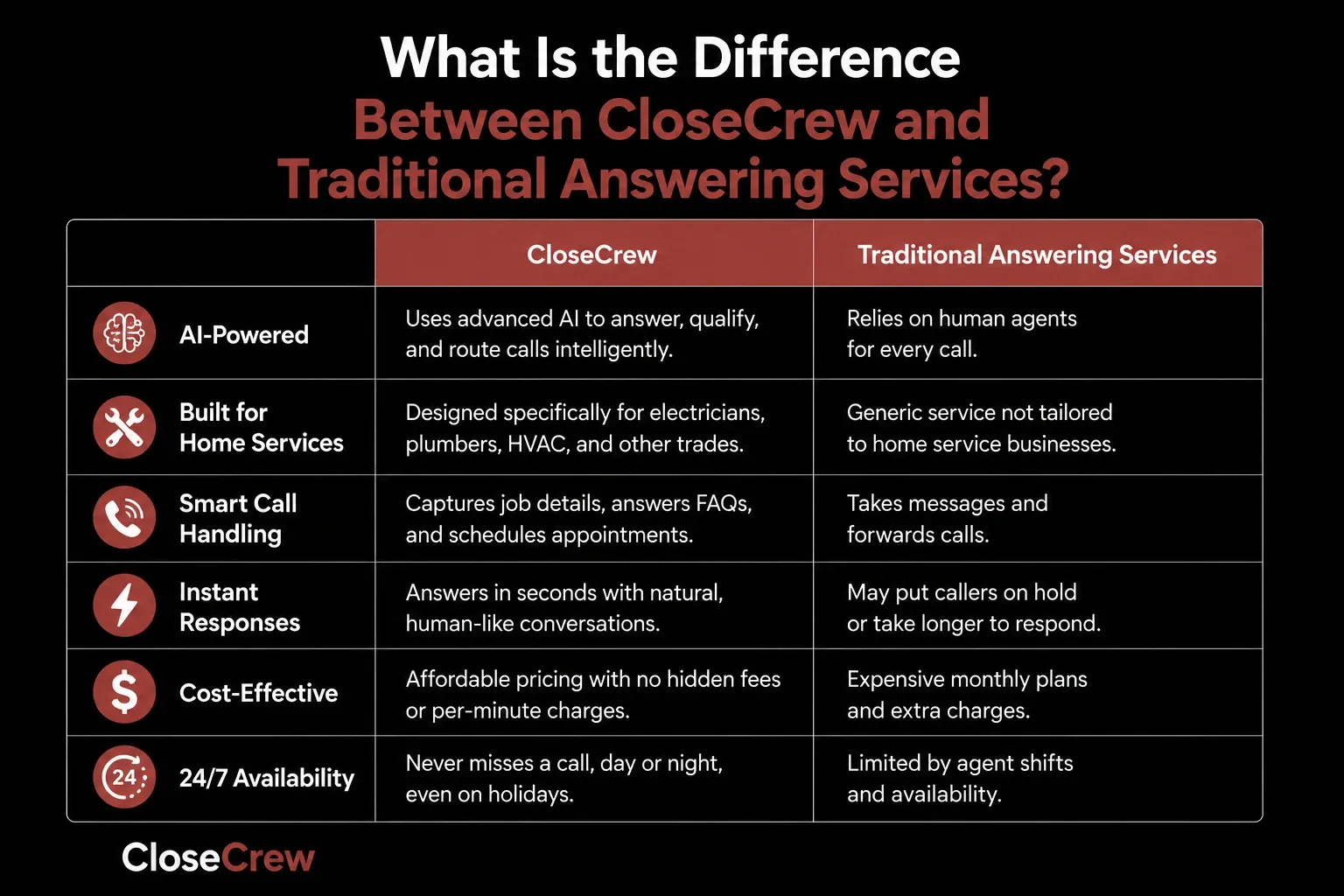
A lot of that reporting quality traces back further than most contractors think, all the way to the very first phone call. If a customer mentions a burning smell, a carbon monoxide alarm going off, or a gas odor when they call in, capturing that detail accurately and flagging it as the emergency it is matters just as much as anything a tech documents on-site later. This is one of the places Larry genuinely helps: as an AI receptionist built for HVAC contractors, Larry qualifies every call, catches safety-relevant details the moment a customer describes them, and passes a full transcript to your team before the truck even leaves. That means the tech shows up already aware of exactly what was reported, which makes accurate, code-relevant on-site documentation a lot easier to get right the first time.

5

Train Technicians Continuously

Staying compliant requires ongoing education. Codes change, standards evolve, and manufacturer guidelines get updated, and a tech working off outdated knowledge is a compliance gap waiting to happen.

Regular training keeps every tech current on best practices, safe refrigerant handling, inspection protocols, and correct installation methods. It builds real confidence in the field, reduces errors, and protects the reputation you've built for compliant, reliable work. Refresher courses, hands-on workshops, and digital training modules all have a place in keeping a team current in a field that genuinely doesn't stand still.

6

Use Quality Control Audits

Reviewing completed jobs, checking installations, and verifying documentation is in order lets you catch problems before an inspector does. Audits reinforce best practices, surface where a tech might need more training, and confirm every service call actually meets local and industry standards.

Built into regular operations rather than treated as a one-off event, quality control audits become a proactive tool: they reduce costly rework, strengthen client trust, and keep the whole team accountable to the same bar, not just whoever's paying closest attention that week.

Conclusion

Staying current with HVAC codes and standards isn't busywork, it's what keeps your work safe, efficient, and genuinely compliant. Verifying local rules, standardizing documentation, tracking job history, maintaining accurate reporting, and training your team continuously all feed into the same outcome: every job meeting the standard it's supposed to, every time.

That reliability builds client trust and strengthens your reputation well beyond the walls of any single inspection. And a lot of it starts before a tech ever arrives on-site, with an accurate, well-qualified first call. CloseCrew's Larry answers every call 24/7, captures the details that actually matter (including the safety-critical ones), and passes your team a full transcript before the job even begins, so the documentation trail that protects you starts at the very first ring, not somewhere in the middle of the job.

Want to see how CloseCrew helps HVAC contractors capture every call accurately from the start? Book a demo or see pricing to get started.

Related tools

Run the numbers before you update your price book or field software.

Free HVAC Templates

Invoices, estimates, maintenance agreements, and flat-rate pricing sheets for heating and cooling contractors.

Browse HVAC templates

Contractor Blog

Cross-trade guides on hiring, marketing, and operations for every home services business.

View all guides

Meet Larry

AI receptionist built for HVAC — answers calls, books jobs, and follows up on leads 24/7.

See Larry for HVAC

Related articles

Never miss an HVAC service call again. Let Larry, your AI receptionist, book jobs while your crew is in the field.